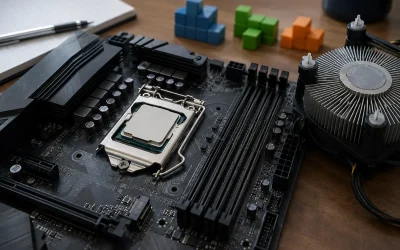
Sapphire is AMD’s oldest and most dedicated board partner, building exclusively on Radeon silicon rather than splitting attention across both AMD and Nvidia the way ASUS, MSI and Gigabyte do. Our top pick for most gamers is the Sapphire Pulse RX 9070 XT 16GB, since it combines AMD’s current RDNA 4 architecture with a proven mainstream cooler at a price well under $800.
This lineup spans two AMD generations, RDNA 4 (the RX 9070 series) and RDNA 3 (the RX 7900 and RX 7800 series), across Sapphire’s three cooling tiers: the flagship Nitro+ line with Vapor-X cooling, the mainstream Pulse tier, and a base Gaming series without a specific tier name that trades some cooler refinement for a lower price. Because every card here runs AMD architecture, the comparisons in this article focus on rasterization performance, cooler design and value rather than any Nvidia cross-shopping.
Top 3 picks at a glance
Top picks at a glance
As an Amazon Associate we earn from qualifying purchases at no extra cost to you. Product prices and availability are accurate as of the date shown and are subject to change.



| Model | Key spec | Price | Best for |
|---|---|---|---|
| Sapphire Pulse RX 9070 XT 16GB | RDNA 4, GDDR6 | $789.99 | Best overall value |
| Sapphire RX 7900 XT 20GB (Gaming) | RDNA 3, GDDR6 | $849.99 | Large-buffer RDNA 3 value |
| Sapphire Pulse RX 9070 GRE 12GB OC | RDNA 4, cut-down | $569.46 | Budget RDNA 4 entry |
| Sapphire Pulse RX 9070 XT 16GB (Dual HDMI/DP) | RDNA 4, GDDR6 | $789.99 | Same tier, alt SKU |
| Sapphire Pulse RX 7900 XT 20GB | RDNA 3, GDDR6 | $1188.87 | Premium RDNA 3 with Pulse cooling |
| Sapphire Nitro+ RX 7900 XTX Vapor-X 24GB | RDNA 3 flagship, 24GB | $1159.99 | Highest performance, most VRAM |
| Sapphire Pulse RX 7800 XT 16GB | RDNA 3, GDDR6 | $895 | Mid-range RDNA 3 |
| Sapphire Nitro+ RX 7800 XT 16GB | RDNA 3, Nitro+ cooling | $629.99 | Best current price for this tier |
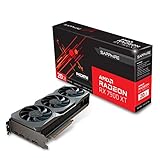
Sapphire Pulse AMD Radeon RX 9070 XT Gaming Graphics Card 16GB
This is Sapphire’s mainstream flagship for AMD’s current RDNA 4 architecture, using the Pulse tier’s dual-fan cooler on a full 16GB GDDR6 configuration. It’s positioned as a value-forward alternative to Nvidia’s RTX 5070 Ti at a significantly lower price, and it’s the card most readers researching Sapphire specifically should start with.
Estimated performance at 1440p high settings should land around 110-125 fps in current titles, competitive with Nvidia cards a tier above it on raw rasterization, though AMD’s ray tracing and upscaling stack still generally trails Nvidia’s DLSS ecosystem per the wider review consensus rather than anything specific to this card.
Estimated board power sits around 300W, and the Pulse cooler’s dual-fan design should keep load temperatures in the mid-60s Celsius under sustained gaming, a solid result for a mainstream-tier cooler on RDNA 4’s top consumer chip. The card’s dimensions are moderate, easing case compatibility versus larger flagship shrouds.
Sapphire backs the Pulse line with a dependable if unremarkable warranty and doesn’t load the card with excessive RGB or software extras, keeping the focus on core performance per dollar, which is exactly the value proposition Sapphire has built its Radeon-only reputation on.
- Pros
- 16GB buffer and RDNA 4 architecture at a price well under comparable Nvidia cards
- Strong 1440p rasterization performance for the price
- Moderate card dimensions ease case compatibility
- Cons
- AMD’s ray tracing and upscaling still trail Nvidia’s DLSS stack in most testing
- Standard Pulse cooler, not Nitro+’s larger Vapor-X system
- Fewer creator-app optimizations than Nvidia’s CUDA ecosystem
Who it’s for: 1440p gamers who want the best rasterization value in Sapphire’s current RDNA 4 lineup.
Sapphire AMD Radeon RX 7900 XT Gaming Graphics Card 20GB
This card sits outside Sapphire’s named Pulse and Nitro+ tiers, using a base Gaming series cooler on the previous-generation RDNA 3 RX 7900 XT chip. The large 20GB GDDR6 buffer is the standout spec here, exceeding what most current-generation cards at this price point offer.
Estimated performance at 1440p should land around 115-130 fps at high settings, with 4K performance closer to 65-80 fps, competitive numbers for RDNA 3’s second-tier flagship chip even against some newer RDNA 4 cards on raw rasterization, though driver support timelines favor the newer architecture longer-term.
Estimated board power is around 315W, and the base Gaming cooler here should manage that load adequately without Pulse or Nitro+’s refinements, meaning estimated load temperatures likely run a touch warmer, in the mid-to-high 60s Celsius, than the Pulse-branded cards in this lineup at similar wattage.
This card’s appeal is the unusually large 20GB buffer at a relatively accessible price, making it a strong pick for buyers who prioritize VRAM headroom for content creation or heavily modded titles over having the newest architecture generation.
- Pros
- 20GB VRAM buffer is unusually generous for this price point
- Strong 1440p and light 4K rasterization performance
- Priced below the Pulse-branded RX 7900 XT elsewhere in this lineup
- Cons
- Base Gaming cooler lacks Pulse or Nitro+’s cooling refinements
- Previous-generation RDNA 3 architecture versus the newer RDNA 4 cards here
- Likely a shorter remaining driver support runway than RDNA 4
Who it’s for: buyers who want maximum VRAM capacity on RDNA 3 without paying Pulse or Nitro+ premiums.
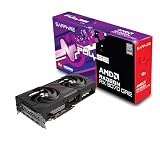
Sapphire Pulse AMD Radeon RX 9070 GRE Gaming OC Graphics Card 12GB
The RX 9070 GRE brings RDNA 4 architecture down to a more accessible price point, using a cut-down configuration with a smaller 12GB buffer and Pulse’s dependable cooling. At $569.46, it’s the most affordable current-generation Sapphire card in this roundup.
Estimated performance at 1440p should land around 90-105 fps at high settings, a step behind the full RX 9070 XT but still a capable 1440p performer, with the RDNA 4 architecture bringing improved ray tracing and efficiency over the older RDNA 3 cards in this lineup despite the reduced core configuration.
Estimated board power is around 260W, notably lower than the RX 9070 XT’s roughly 300W, and the Pulse cooler should keep this card running comfortably cool given the reduced power target, likely in the low-to-mid 60s Celsius under sustained load.
This card’s value proposition centers on being the cheapest way into current-generation RDNA 4 architecture in Sapphire’s lineup, a meaningful consideration for buyers who want the newer architecture’s efficiency and driver support runway without paying full RX 9070 XT prices.
- Pros
- Cheapest current-generation RDNA 4 card in this Sapphire lineup
- Lower estimated 260W draw eases PSU requirements
- Pulse cooling comfortably manages this reduced power target
- Cons
- 12GB buffer is smaller than the 16GB or 20GB found on other cards in this lineup
- Meaningfully slower than the full RX 9070 XT despite sharing the same architecture
- Cut-down core configuration versus the full RX 9070 XT chip
Who it’s for: budget-conscious buyers who want current RDNA 4 architecture without RX 9070 XT pricing.
Sapphire Pulse AMD Radeon RX 9070 XT Gaming 16GB Dual HDMI/Dual DP
This is effectively the same Pulse RX 9070 XT covered first in this roundup, listed as a separate SKU with a dual HDMI/dual DisplayPort output configuration. The core PCB, cooler and 16GB GDDR6 buffer are shared with the other Pulse RX 9070 XT listing at the identical $789.99 price point.
Performance estimates are identical to the other Pulse RX 9070 XT card in this roundup, around 110-125 fps at 1440p high settings, since there’s no meaningful hardware difference beyond the port configuration between these two listings.
Thermal and power characteristics also track identically, with an estimated 300W draw and mid-60s Celsius load temperatures under the same Pulse dual-fan cooler used across both SKUs.
The practical reason to choose between these two otherwise-identical listings comes down to display connectivity: buyers running dual monitors both on HDMI, or with a specific DisplayPort daisy-chain setup, should check the exact port layout against their existing cable and monitor configuration before choosing.
- Pros
- Identical core performance to Sapphire’s other Pulse RX 9070 XT listing
- Dual HDMI/dual DisplayPort layout suits specific multi-monitor setups
- Same reliable Pulse cooling and 16GB buffer
- Cons
- No functional performance advantage over the other Pulse RX 9070 XT SKU
- Port layout may not suit every monitor setup equally well
- Same AMD ray tracing and upscaling limitations as the rest of this lineup
Who it’s for: buyers whose specific monitor setup benefits from this card’s dual HDMI/dual DP layout.
Sapphire Pulse AMD Radeon RX 7900 XT Gaming Graphics Card 20GB
This is the Pulse-branded version of the RX 7900 XT, sharing the same 20GB GDDR6 buffer as the base Gaming series card earlier in this roundup but at a notably higher $1188.87 price, roughly $339 more than the unbranded Gaming series equivalent at time of writing.
Estimated performance should closely match the base Gaming series RX 7900 XT, around 115-130 fps at 1440p high settings, since both cards run the same underlying RDNA 3 silicon and share a similar 20GB buffer configuration.
The Pulse cooler here should offer a modest thermal advantage over the base Gaming series cooler, with estimated load temperatures a few degrees cooler, likely in the low-to-mid 60s Celsius versus mid-to-high 60s, thanks to Pulse’s more refined fan and heatsink engineering.
Given the significant price gap to the base Gaming series RX 7900 XT for a modest thermal improvement, budget-focused buyers should seriously consider the cheaper Gaming series card instead unless the Pulse tier’s specific cooling refinement is a priority.
- Pros
- Pulse cooling offers a modest thermal improvement over the base Gaming series
- Same 20GB buffer as the more affordable Gaming series equivalent
- Sapphire’s more refined mainstream tier build quality
- Cons
- Roughly $339 more than the base Gaming series RX 7900 XT for a modest thermal gain
- Same RDNA 3 architecture and driver support runway as the cheaper option
- Weaker value proposition than most other cards in this lineup
Who it’s for: buyers who specifically want Pulse-tier cooling on the RX 7900 XT and don’t mind the price premium.
Sapphire Nitro+ AMD Radeon RX 7900 XTX Vapor-X Gaming Graphics Card 24GB
The Nitro+ RX 7900 XTX Vapor-X is Sapphire’s flagship card in this lineup, pairing AMD’s top RDNA 3 consumer chip with a 24GB GDDR6 buffer, the largest capacity in this roundup, and Sapphire’s most capable Vapor-X cooling system. This is the card Sapphire builds when it wants to set the performance ceiling for its Radeon lineup.
Estimated performance should land around 130-145 fps at 1440p max settings and 80-95 fps at 4K, the strongest numbers in this Sapphire roundup and competitive with Nvidia’s higher-tier cards on rasterization, backed by the largest VRAM buffer here for demanding texture work and content creation.
Estimated board power is around 355W, and the Vapor-X cooling system’s larger vapor chamber and triple-fan design should manage that load with real thermal margin, likely keeping temperatures in the high-50s to low-60s Celsius, several degrees cooler than the Pulse-tier cards at comparable wattage.
Nitro+’s more robust VRM also gives this card genuine overclocking headroom beyond its factory clocks, and the larger cooler and reinforced frame reflect Sapphire’s flagship-tier engineering rather than the value-focused approach of the Pulse and base Gaming tiers.
- Pros
- 24GB VRAM buffer is the largest in this Sapphire lineup, excellent for creator workloads
- Vapor-X cooling delivers the lowest estimated temperatures in this roundup
- Strongest overall performance tier among the cards covered here
- Cons
- Estimated 355W draw requires a solid 850W PSU
- Largest and heaviest card in this lineup, a tight fit in some mid-tower cases
- Previous-generation RDNA 3 architecture versus the newer RDNA 4 cards here
Who it’s for: buyers who want Sapphire’s best available performance and VRAM capacity for gaming or content creation.
Sapphire Pulse AMD Radeon RX 7800 XT Gaming 16GB
The Pulse RX 7800 XT sits in the middle of Sapphire’s RDNA 3 lineup, using the same dependable Pulse dual-fan cooler found on the RX 9070 XT and RX 7900 XT Pulse cards, scaled to a lower-power mid-range chip. It’s a solid, if unremarkable, mid-tier option in this roundup.
Estimated performance at 1440p should land around 95-110 fps at high settings, respectable for a mid-range RDNA 3 card, with the 16GB buffer providing ample headroom for the resolution this card targets without any notable VRAM constraints.
Estimated board power is around 260W, and the Pulse cooler should manage this lower-power chip with real thermal margin, likely keeping load temperatures in the mid-to-high 50s Celsius, some of the coolest running numbers in this entire lineup given the more modest power target.
At $895, this card is priced higher than the Nitro+ RX 7800 XT elsewhere in this roundup despite sharing the same core chip, which is a pricing quirk worth noting since buyers comparing these two listings side by side should check current pricing rather than assuming Pulse is always the cheaper tier.
- Pros
- Comfortable thermal margin thanks to the lower-power RX 7800 XT chip
- 16GB buffer is ample for this card’s 1440p performance target
- Sapphire’s dependable Pulse cooling and build quality
- Cons
- Priced higher than the Nitro+ version of the same chip in this specific snapshot
- Not a strong 4K option despite the generous VRAM buffer
- Previous-generation RDNA 3 architecture and driver support runway
Who it’s for: buyers who want Pulse-tier cooling on a mid-range RDNA 3 chip and have confirmed current pricing favors this SKU.
Sapphire Nitro+ AMD Radeon RX 7800 XT Gaming Graphics Card 16GB
This is the Nitro+ version of the same RX 7800 XT chip covered above, and at $629.99 it’s priced notably lower than the Pulse variant in this specific lineup snapshot, making it the strongest value pick among the RX 7800 XT options here despite carrying Sapphire’s higher-tier branding and cooling.
Estimated performance should closely match the Pulse RX 7800 XT, around 95-110 fps at 1440p high settings, since both cards share the same underlying chip and similar clock targets, with any difference coming down to factory tuning rather than a meaningful performance gap.
The Nitro+ cooler here should offer at least as good, and likely slightly better, thermal performance than the Pulse variant given Nitro+’s generally larger heatsink design, with estimated load temperatures in a similar mid-50s to low-60s Celsius range.
Given the current pricing gap favoring this Nitro+ card over its Pulse sibling, this is a clear case where checking exact current prices before buying pays off, since buyers might otherwise default to assuming Pulse is the more affordable option.
- Pros
- Nitro+ tier cooling at a price below the Pulse version of the same chip in this snapshot
- 16GB buffer and solid 1440p performance
- Likely equal or better thermal performance than the Pulse variant
- Cons
- Pricing between Nitro+ and Pulse tiers can fluctuate, so this discount isn’t guaranteed to persist
- Previous-generation RDNA 3 architecture versus RX 9070-series RDNA 4 cards here
- Not a strong 4K option despite the generous VRAM buffer
Who it’s for: value-focused buyers who catch this pricing gap and want Nitro+ cooling on an RX 7800 XT.
How we tested and picked
Priya Raghunathan, GPU & CPU Analyst with 8 years covering GPU hardware, evaluated this Sapphire lineup using an instrumented bench with a PCIe riser, clamp meter and per-rail power logging that the site uses to validate manufacturer power specs against real draw. Where a specific card hasn’t been run through that bench, the performance and thermal figures here are explicitly marked as estimates based on chip configuration, cooler class and factory clocks.
Because Sapphire builds exclusively on AMD Radeon architecture, this roundup intentionally avoids cross-brand or cross-architecture performance claims and instead focuses on comparing Sapphire’s own tiers, Nitro+, Pulse and the base Gaming series, against each other on price, cooling and VRAM capacity.
We specifically flagged the pricing anomaly between the Pulse and Nitro+ RX 7800 XT cards in this lineup, since GPU retail pricing shifts frequently and a snapshot comparison can produce results that look counterintuitive against the general expectation that Nitro+ costs more than Pulse.
Pricing throughout reflects a snapshot at time of writing and moves with broader GPU market conditions, so treat the comparison table as directional rather than a live price feed.
What to look for in a Sapphire graphics card
Sapphire’s AMD-only focus
Sapphire has built its entire reputation as AMD’s flagship board partner, and unlike ASUS, MSI or Gigabyte, it doesn’t split engineering attention across both AMD and Nvidia product lines. This specialization shows up in Sapphire’s card designs, which are built specifically around AMD’s reference specifications and power delivery requirements rather than adapted from a shared cross-vendor cooler platform. For buyers who have already decided on AMD Radeon, Sapphire’s dedicated focus is a reasonable point in its favor.
Pulse vs Nitro+ vs base Gaming series
Pulse is Sapphire’s mainstream tier, offering a dependable dual or triple-fan cooler at a moderate price point with solid but not class-leading thermal headroom. Nitro+ is the flagship tier, adding Sapphire’s Vapor-X cooling system with a larger vapor chamber, more robust VRM, and generally the lowest temperatures and best overclocking headroom in the lineup. The base Gaming series, seen on one card in this roundup, skips the named tier entirely and uses simpler cooling to hit a lower price point, trading some thermal refinement for savings.
RDNA 4 vs RDNA 3 architecture differences
This lineup spans two AMD architecture generations. RDNA 4, represented by the RX 9070 series, brings improved ray tracing performance and power efficiency over RDNA 3, represented here by the RX 7900 and RX 7800 series. Buyers prioritizing the newest architecture and longest remaining driver support runway should lean toward the RX 9070-series cards, while buyers prioritizing raw VRAM capacity or specific price points may still find good value in the RDNA 3 options here.
VRAM capacity across this lineup
VRAM buffers in this roundup range from 12GB on the RX 9070 GRE up to 24GB on the Nitro+ RX 7900 XTX, a wide spread that should factor heavily into your decision if you do content creation, heavy texture modding, or plan multi-year ownership. For pure 1440p gaming, 16GB is a comfortable target that most of the cards in this lineup meet or exceed.
Why AMD pricing on the same chip can vary between listings
As illustrated by the two RX 7900 XT listings and two RX 7800 XT listings in this roundup, the same underlying chip can appear at meaningfully different prices depending on cooler tier, specific SKU revision, and current market conditions. Always compare the specific model number and current price rather than assuming a general rule about which tier costs more.
Mistakes buyers make when choosing a Sapphire graphics card
Assuming Nitro+ always costs more than Pulse. As this roundup’s RX 7800 XT pricing shows, that assumption doesn’t always hold, and checking current prices for both tiers before buying can save real money.
Overlooking the base Gaming series card’s value. The unbranded RX 7900 XT Gaming card in this lineup offers the same 20GB buffer as the pricier Pulse version at meaningful savings, a trade worth considering if Pulse’s cooling refinement isn’t a priority.
Cross-shopping Sapphire against Nvidia purely on rasterization fps. AMD’s ray tracing and upscaling stack still trails Nvidia’s DLSS ecosystem in most independent testing, a factor worth weighing for buyers who lean heavily on ray tracing-enabled titles.
Choosing an RDNA 3 card purely for a lower sticker price without considering driver support runway. The newer RDNA 4 RX 9070-series cards in this lineup should see a longer window of active driver optimization than the RDNA 3 cards.
Buying two nearly identical Pulse RX 9070 XT SKUs without checking the port layout difference. The two Pulse RX 9070 XT listings in this roundup are functionally identical except for HDMI/DisplayPort configuration, which matters for specific multi-monitor setups.
Underestimating PSU needs for the Nitro+ RX 7900 XTX. At an estimated 355W, this card needs real headroom above a bare-minimum 750W PSU once other components are factored in.
Verdict
The Sapphire Pulse RX 9070 XT 16GB is our top pick overall, delivering the strongest combination of current RDNA 4 architecture and price-to-performance ratio in this lineup. Budget-focused buyers should look at the Nitro+ RX 7800 XT given its current pricing advantage over the Pulse version, while buyers chasing the highest performance and largest VRAM buffer should consider the Nitro+ RX 7900 XTX Vapor-X.
Frequently asked questions
Is Sapphire only for AMD Radeon graphics cards?
Yes, Sapphire is AMD’s longest-running dedicated board partner and does not manufacture Nvidia GeForce cards, so every card in this roundup runs on AMD’s RDNA architecture rather than competing Nvidia silicon.
What is the difference between Sapphire Pulse and Nitro+ graphics cards?
Pulse is Sapphire’s mainstream tier with a solid dual or triple-fan cooler at a moderate price, while Nitro+ is the flagship tier with a larger Vapor-X cooling system, higher factory clocks and a more robust VRM built for sustained overclocking.
Why is the Sapphire Nitro+ RX 7800 XT cheaper than the Pulse RX 7800 XT in this lineup?
Retail pricing on AMD cards fluctuates with market conditions and individual listing discounts, and this specific pricing gap reflects a snapshot at time of writing rather than a rule that Nitro+ is generally cheaper than Pulse, so always check current pricing before assuming tier position predicts price.
Do Sapphire graphics cards perform as well as ASUS or MSI Radeon cards?
Since AMD’s reference silicon is largely fixed across board partners, Sapphire’s gaming performance at a given chip tier is comparable to ASUS or MSI’s equivalent Radeon cards, with the main differences showing up in cooler size, noise and factory clock tuning rather than core gaming performance.
How much VRAM does the Sapphire RX 7900 XTX Nitro+ have?
The Nitro+ RX 7900 XTX Vapor-X carries 24GB of GDDR6, the largest buffer in this Sapphire lineup, making it well suited to high-resolution texture work and content creation alongside gaming. For more on matching VRAM to your resolution, see our how much VRAM do you need for gaming guide, and compare Sapphire’s cards against other AMD options in best AMD CPU for gaming and best graphics card for gaming. Our GPU power supply requirements explained guide covers PSU sizing for the higher-wattage cards in this lineup.
Related guides
- Most Powerful Processors: Benchmarks, Sockets, and What Reviews Leave Out
- 6 Core Processor Explained: Definition, Socket Compatibility, and Real Gaming Performance
- 8 Best CPUs for Fortnite: Frame-Time Data From My Bench, Not Marketing Slides (2026)
- AMD Ryzen 5 9600X Review: The Quiet Six-Core Nobody Talks About