A full-size gaming mouse forces a small hand to stretch for the side buttons, shifts the sensor away from the natural center of the grip, and turns every wide swipe into extra wrist work. The five wireless mice below solve that problem with short, narrow shells, low weights, and sensors that stay accurate during fast flicks, so control comes from the fingers and wrist rather than a strained reach.


As an Amazon Associate, we earn from qualifying purchases.
Our Top Picks
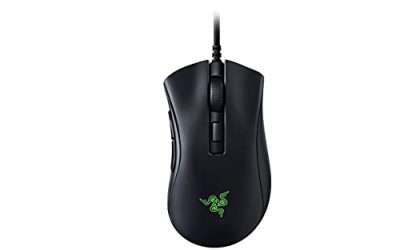
- Razer Orochi V2 Wireless Gaming Mouse4.26 x 1.52 inch (Pack of 1)4.26 x 1.52 x 2.47 inches0.13 poundsCheck on Amazon
Top 3 picks at a glance

Quick answer
For most small hands, the Logitech G305 LIGHTSPEED is the safest starting point, with a compact symmetrical shell, a reliable HERO sensor, and very long AA battery life. The Razer Orochi V2 is the smallest and most portable option, the Pulsar X2V2 Mini and LAMZU Atlantis Mini Pro suit claw and fingertip grips, and the Razer Viper V3 Pro adds flagship polling and sensor performance.
How to choose
Start with shell length, because length decides whether the mouse supports the palm or leaves room for fingertip movement. Small hands generally pair best with shells on the shorter side of the gaming range, where the main buttons sit within easy reach and the hump does not push the wrist upward. Width matters next. A narrow shell lets the thumb and ring finger pinch the sides for lift-off control, while a wider shell spreads the fingers and can feel vague during quick direction changes.
Grip style refines the shortlist. Palm grip needs a hump that fills the hand without forcing the fingers flat, and very short mice rarely suit a relaxed full-palm hold. Claw grip benefits from a defined rear hump and a low front, which give the fingertips leverage for micro-corrections. Fingertip grip favors the lightest and shortest shells, since the palm never anchors the mouse and every gram is moved by the fingers alone.
Weight shapes fatigue over long sessions. Lighter mice reduce the effort of repeated swipes and stops, which suits low-sensitivity aiming in tactical shooters. Slightly heavier mice can feel steadier for tracking-heavy games, but on a small hand extra weight often reads as bulk rather than stability. Battery type is part of that equation. Replaceable AA and AAA cells add convenience and runtime, while built-in rechargeable packs keep the shell sealed and usually lighter, at the cost of cable charging breaks.
Sensor and wireless specifications should be read together. A modern optical sensor with high tracking speed and clean behavior at common DPI settings matters more than a headline maximum DPI figure few players use. Polling rate describes how often the mouse reports position, and higher wireless polling can smooth cursor movement on high-refresh monitors, though it also raises battery drain. Connection options count too. A 2.4 GHz receiver remains the low-latency standard for gaming, while Bluetooth adds a second mode for laptops and quieter everyday use.
Finally, check the button layout against hand size rather than feature lists. Side buttons that sit too far forward are useless buttons, and a stiff scroll wheel can break aim during weapon swaps. Switch type, feet material, and software support round out the decision, but fit comes first, because a well-fitting mid-range mouse will outperform a flagship shell that the hand cannot hold securely.
Who should skip
Players with medium or large hands should skip this entire category and look at standard-size wireless mice instead, since a short shell can cramp the fingers and force an unstable grip. Relaxed palm-grip players who want the hand fully supported will also find most of these mice too low and too short. Anyone who needs many side buttons for MMO rotations, a tilting scroll wheel for productivity, or a sculpted right-handed ergonomic shape should look elsewhere as well. These five mice trade extra controls and palm support for compact size, low weight, and fast movement, and that trade only pays off when the smaller shell is the point.
Logitech G305 LIGHTSPEED
The Logitech G305 LIGHTSPEED is the most approachable pick here, built around a compact symmetrical shell that suits a wide range of small hands and grip styles. The listing gives a weight of 99 grams with the battery fitted, which is heavier than the ultralight models below, yet the small footprint keeps that weight feeling manageable rather than bulky. The shape is a simple, safe egg profile with no aggressive curves, so the fingers settle naturally and the side buttons fall close to the thumb.
Inside is the Logitech HERO optical sensor with sensitivity from 200 to 12,000 DPI and tracking rated above 400 IPS, with zero smoothing or acceleration in the listed specification. That range covers every realistic gaming setting, from low-sensitivity shooters to fast desktop movement, without needing the highest steps. LIGHTSPEED wireless delivers a 1 millisecond report rate over the included USB receiver, and the receiver stores inside the mouse for travel, a practical touch for laptop play.
Battery life is the headline strength. The listing rates up to 250 hours of continuous gameplay from a single AA battery, so charging cables and docks never enter the routine. Six programmable buttons are configured through Logitech G HUB, including the two side buttons and the DPI control behind the wheel. On-board memory keeps settings with the mouse when moving between computers.
The compromises follow from the design brief. There is no Bluetooth mode, no rechargeable cell, and no RGB lighting, and the 99 gram weight will feel dated next to newer ultralight shells. For small-handed players who value simplicity, runtime, and a proven shape over the lowest possible weight, the G305 remains the balanced default in this group.
Razer Orochi V2
The Razer Orochi V2 is the smallest mouse in this roundup, a mobile shell designed for laptop bags as much as gaming desks. Razer lists the weight at under 60 grams before the battery is fitted, and the short body lets fingertip and claw grips control the mouse without the palm ever touching the rear. For genuinely small hands, this is the pick where reach problems simply disappear, because every button sits close to the resting fingers.
Two wireless modes cover both play styles. Razer HyperSpeed wireless over the USB receiver handles gaming, while Bluetooth stretches battery life for everyday use. The listing rates up to 425 hours on HyperSpeed and up to 950 hours on Bluetooth, figures that come from the hybrid battery slot, which accepts either a single AA or a single AAA cell. Choosing the smaller AAA trims weight further, which suits players who want the lightest possible setup.
The sensor is Razer 5G Advanced optical unit with up to 18,000 DPI, and the main clicks use second-generation Razer mechanical switches rated for up to 60 million clicks. Six programmable buttons include the side pair, and the feet are undyed PTFE for a smooth glide on cloth pads. The symmetrical shape is right-hand focused through its side button placement, so left-handed players should note that limitation.
Battery is not included in the sealed sense of rechargeable rivals, since the mouse runs on replaceable cells that need swapping eventually. There is also no wired fallback mode. Neither point undermines the core appeal. The Orochi V2 is the travel-ready, smallest-shell option for small hands that still keeps a proper gaming sensor and low-latency wireless.
Pulsar X2V2 Mini
The Pulsar X2V2 Mini is the specialist pick for competitive claw and fingertip players, with a mini symmetrical shell that measures about 115.6 millimeters long according to the manufacturer specification. At 51 grams, it is among the lightest wireless gaming mice in its class, and that combination of short length and low mass is exactly what small-handed FPS players usually ask for. The hump sits toward the rear, giving claw grips a clear anchor point for pulling the mouse into the fingers during vertical aim adjustments.
The sensor is the PixArt PAW3395, with up to 26,000 DPI, 650 IPS tracking speed, and 50G acceleration in the listed specification. Optical main switches remove the debounce delay of mechanical designs and avoid double-click wear, while the Pulsar Blue encoder handles the scroll steps. The standard wireless polling rate is 1,000 Hz over the 2.4 GHz receiver, and the listing notes 4K polling support with a separate 4K dongle, which is an optional upgrade rather than a requirement for strong performance.
Battery figures in the listing material point to roughly 90 hours per charge for the rechargeable cell, with USB-C used for charging and wired play. That flexibility matters in tournaments and long sessions alike, since the mouse can stay in use while plugged in. Settings such as DPI steps, polling, and lift-off distance are adjusted through Pulsar software, and the shell uses a solid top rather than honeycomb holes, which keeps the grip consistent and the body easier to clean.
The trade-offs are focus and familiarity. There is no Bluetooth mode, the brand offers a smaller support network than Logitech or Razer, and the mini shape will feel abrupt to anyone coming from a palm-grip mouse. For small hands that play claw or fingertip in fast shooters, the X2V2 Mini is the most purpose-built shape in this group.
LAMZU Atlantis Mini Pro

The LAMZU Atlantis Mini Pro takes the same mini brief as the Pulsar and answers with its own symmetrical shape, listed at 51 grams and marketed directly for small hand gamers. The shell is slightly rounded at the sides with a gentle hump, which gives claw grips a secure hold and lets fingertip players move the mouse with small, precise nudges. Like the other mini picks here, the short body keeps the side buttons within easy thumb reach instead of placing them toward the front.
Performance hardware is flagship grade. The listing names the PixArt PAW3395 sensor with up to 26,000 DPI, a Nordic 52840 MCU for the wireless connection, and mechanical main switches. The mouse connects over 2.4 GHz wireless and can also run wired, and the listing describes the model as 4K compatible, meaning higher polling is available with the matching receiver setup rather than as the default out of the box. For players on high-refresh monitors who play claw grip, that specification set covers every competitive requirement.
Day to day, the Atlantis Mini Pro keeps things simple. The rechargeable battery charges over cable, the feet are PTFE for a fast glide, and the symmetrical shell works for a wide range of finger placements even though the side buttons sit on the left flank. The Polar White finish in this listing gives smaller setups a clean look that pairs well with white keyboards and desks, and other finishes exist under separate listings.
Buyers should weigh two points. First, the 4K polling path depends on compatible receiver hardware, so the standard connection should be the expectation at purchase. Second, LAMZU is a smaller brand than the biggest names here, so warranty handling runs through the seller rather than a large local network. On shape and specifications alone, though, this is one of the strongest true mini shells available.
Razer Viper V3 Pro
The Razer Viper V3 Pro is the flagship option, and it earns its place here because its symmetrical shell stays compact enough for small hands using claw or fingertip grips, even though it is the largest mouse in this group. The black version in this listing weighs 54 grams, so it delivers esports hardware without the heavy body that usually comes with it. The shape is a low, safe symmetrical profile with flared main buttons that guide the fingers into a consistent position.
The sensor is the Razer Focus Pro optical unit with up to 35,000 DPI, paired with Razer HyperSpeed wireless and true 8,000 Hz wireless polling through the included HyperPolling dongle. That polling rate is the highest in this roundup and targets players with high-refresh monitors who want the smoothest possible cursor path. Third-generation Razer optical switches handle the clicks, eight controls are programmable, and the listing rates battery life at up to 95 hours, with the understanding that maximum polling settings reduce runtime between charges.
For small hands, the appeal is precision without compromise. The sensor specification, the polling ceiling, and the switch set match what professional FPS players use, while the light weight keeps fast swipes easy on the wrist. The symmetrical shell also avoids locking the hand into one posture, so grip adjustments mid-match feel natural rather than forced.
The cautions are size and settings discipline. Palm-grip players with small hands may still find the shell longer than ideal, and running the highest polling rate as a permanent default trades battery life for a gain that only some setups reveal. Treat the Viper V3 Pro as the performance ceiling of this list, and choose it when sensor and polling specifications matter more than having the absolute shortest shell.
Frequently Asked Questions
What mouse size suits small hands best?
Shell length is the clearest guide. Shorter shells let the fingers reach every button without stretching and keep the sensor near the center of the grip. Players who measure their hand and find it on the shorter side should start with the mini and compact picks here, then match the shape to claw, fingertip, or a light palm grip.
Is a lighter mouse always better for small hands?
Not always, but lighter usually helps. Low weight reduces the effort of each swipe and stop, which matters when the hand and wrist are smaller and doing the same travel across the pad. Some players still prefer a little extra mass for steady tracking, so the G305 at 99 grams remains a sensible option beside the 51 gram mini models.
Does higher polling rate matter for casual play?
Higher polling smooths how often the cursor position updates, and the difference is easiest to notice on high-refresh monitors during fast, small movements. Casual play on standard monitors feels perfectly responsive at the common 1,000 Hz rate found across this list. Modes above that raise battery drain, so they suit competitive players who accept shorter intervals between charges.
Should small-handed players choose claw or fingertip grip?
Both grips pair naturally with compact mice. Claw grip adds a stable anchor from the palm heel and suits players who want control during vertical aim, while fingertip grip gives the fastest micro-adjustments and suits the shortest, lightest shells here. Relaxed palm grip is the hardest fit, because most small shells are too short to support the whole hand.
Final verdict
Small hands do not need a lesser mouse, only a shorter one. The Logitech G305 LIGHTSPEED is the balanced default for most players, the Razer Orochi V2 is the smallest and longest-lasting travel pick, and the Pulsar X2V2 Mini and LAMZU Atlantis Mini Pro deliver true mini shells with flagship sensors for claw and fingertip grips. The Razer Viper V3 Pro stands as the performance ceiling when polling rate and sensor specification come first. Match shell length to the hand, weight to the grip, and battery style to the routine, and any of these five will feel like a clear upgrade over a full-size mouse.
Product and ASIN Reference
| Product | ASIN |
|---|---|
| Logitech G305 LIGHTSPEED Wireless Gaming Mouse | B07CMS5Q6P |
| Razer Orochi V2 Mobile Wireless Gaming Mouse | B0916N2LPZ |
| Pulsar X2V2 Mini Wireless Gaming Mouse | B0CH9XHFW8 |
| LAMZU Atlantis Mini Pro Wireless Gaming Mouse | B0CLYBDR26 |
| Razer Viper V3 Pro Wireless Esports Gaming Mouse | B0CW25XR5R |
Related guides
More from Amazon
Programs that pair well with the guide above. Offers and eligibility are set by Amazon and may change.
A free business account with business pricing and bulk-buying tools for work, shop or home office.
Create a business accountFree shipping on eligible items, Prime Video and more. Eligible new members can start with a free trial.
Start a Prime free trialAudiobooks and podcasts to listen to on the go. Eligible new members can start with a free trial.
Try Audible freeAd-free music streaming. Eligible new subscribers can start with a free trial.
Try Music Unlimited freeAs an Amazon Associate we earn from qualifying purchases.