Our Short List of 3
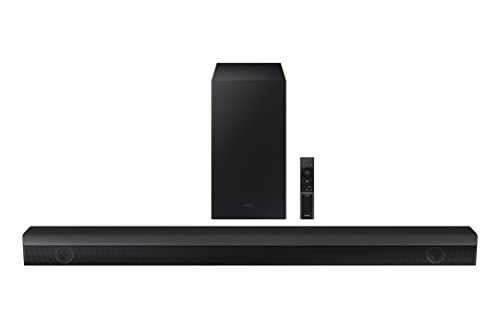
- Channels: 3.1 with a dedicated centre speaker
- Subwoofer: wireless, included
- Audio: Dolby Digital 5.1 and DTS Virtual:X
- Connections: HDMI ARC, optical, Bluetooth

- Channels: 2.1 with a wireless subwoofer
- Subwoofer: wireless, included
- Audio: S-Force PRO front surround
- Connections: HDMI ARC, optical, Bluetooth

- Channels: 2.0, all-in-one
- Subwoofer: none, built-in bass
- Audio: Dolby Digital, JBL Surround Sound
- Connections: HDMI ARC, optical, Bluetooth
All 3 Picks at a Glance
| Product | Specs | Action |
|---|---|---|
| Samsung HW-B650 3.1ch Soundbar with Subwoofer |
| Check price on Amazon |
| Sony HT-S400 2.1ch Soundbar with Wireless Subwoofer |
| Check price on Amazon |
| JBL Bar 2.0 All-in-One Soundbar |
| Check price on Amazon |
The best soundbar speakers fix the weakest part of a modern television: its sound. Thin televisions leave little room for speakers, so dialogue sounds thin, action scenes lose their weight, and music lacks depth. A soundbar sits under the television and adds larger drivers, a dedicated centre channel for voices, and often a wireless subwoofer for bass. This guide compares five soundbars that cover the main shapes of the category, from a compact all-in-one bar to a 3.1-channel system with a separate subwoofer.
Choosing a soundbar is mostly about matching the bar to the room and the television. A small room needs a compact bar, a large room needs a subwoofer, and a television with HDMI ARC needs a bar that uses it. The picks below are all sold as complete soundbar systems, and each one is compared on channels, subwoofer, connections, and the kind of listening it suits best.
Our Top Picks
Top 3 picks at a glance
How to Choose
Channels and what they mean
A 2.0 soundbar has left and right channels and no subwoofer, which suits a small room and clear dialogue. A 2.1 system adds a subwoofer for bass, and a 3.1 system adds a dedicated centre channel for voices on top of that. More channels usually mean clearer dialogue and a wider soundstage, but they also mean a larger bar and, in most cases, a separate subwoofer box.
Subwoofer: built in or separate
A separate wireless subwoofer gives deeper and more powerful bass than a bar with built-in bass, and it can be placed where it sounds best in the room. A bar with a built-in subwoofer is simpler and suits a small room or a desk, but it cannot match the low-end weight of a separate box. Decide how much bass matters before choosing, because it is the biggest single difference between soundbars.
Dialogue clarity
Dialogue is the most common complaint about television sound, and it is where a centre channel earns its place. Bars with a dedicated centre speaker, a voice enhancement mode, or a clear-voice setting keep speech intelligible even when music and effects are loud. If the main use is television and films, prioritise dialogue clarity over maximum bass.
Connections: HDMI ARC, optical, and Bluetooth
HDMI ARC lets the television remote control the soundbar volume and sends audio over a single cable, which is the simplest setup. Optical is the fallback for older televisions, and Bluetooth lets the bar play music from a phone. Check which connections the television has before buying, and prefer a bar with HDMI ARC when the television supports it.
Size and placement
A soundbar should be roughly the width of the television or slightly narrower, and it needs a clear space in front of it so the drivers are not blocked. A bar that is too wide overhangs the television stand, and a bar placed inside a closed cabinet sounds muffled. Measure the stand and the space under the television before ordering, and check whether the bar includes a wall mount.
Music as well as films
A soundbar that only suits films can sound harsh with music, while a bar with a balanced tuning works for both. Bluetooth streaming, a music mode, and a subwoofer that can be turned down all help a soundbar double as a music speaker. If the bar will play music daily, listen for a smooth midrange rather than maximum bass.
Top Picks
Samsung HW-B650 3.1ch Soundbar with Subwoofer
- Channels: 3.1 with a dedicated centre speaker
- Subwoofer: wireless, included
- Audio: Dolby Digital 5.1 and DTS Virtual:X
- Connections: HDMI ARC, optical, Bluetooth
Key specifications:
Who it is for: A living room television where dialogue clarity matters, because the dedicated centre speaker and voice enhancement keep speech clear while the wireless subwoofer adds weight to films.
Things to keep in mind: The bar is about 40 inches wide, so it suits a medium or large television and needs a stand wide enough to hold it, and the subwoofer needs floor space beside the television.
The Samsung HW-B650 is a 3.1-channel soundbar with a wireless subwoofer, a built-in centre speaker, and bass boost for films and music. Dolby Digital 5.1 and DTS Virtual:X widen the soundstage beyond the bar itself, and a night mode keeps late viewing from disturbing the rest of the home. It is the most complete all-round pick in this guide.
Sony HT-S400 2.1ch Soundbar with Wireless Subwoofer
- Channels: 2.1 with a wireless subwoofer
- Subwoofer: wireless, included
- Audio: S-Force PRO front surround
- Connections: HDMI ARC, optical, Bluetooth
Key specifications:
Who it is for: A compact living room where a simple two-channel bar with a wireless subwoofer is enough, and where Sony’s front surround processing is expected to widen the sound without rear speakers.
Things to keep in mind: There is no dedicated centre channel, so dialogue relies on the two front channels and the voice processing rather than a separate centre driver.
The Sony HT-S400 pairs a slim two-channel bar with a wireless subwoofer and front surround processing that widens the soundstage without extra speakers. Setup is a single HDMI cable to a television with ARC, and the bar’s compact size suits televisions where a wider bar would overhang the stand. It is the simplest full soundbar system in this guide.
JBL Bar 2.0 All-in-One Soundbar
- Channels: 2.0, all-in-one
- Subwoofer: none, built-in bass
- Audio: Dolby Digital, JBL Surround Sound
- Connections: HDMI ARC, optical, Bluetooth
Key specifications:
Who it is for: A small room, a bedroom television, or a desk setup where a single compact bar with no separate subwoofer is the right size and the simplest possible installation.
Things to keep in mind: Without a separate subwoofer, bass is limited, so action films and bass-heavy music will sound thinner than on the 2.1 and 3.1 systems in this guide.
The JBL Bar 2.0 is a compact all-in-one soundbar with no separate subwoofer, which makes it the easiest bar in this guide to place and install. It uses JBL Surround Sound processing to widen the stereo image and includes Bluetooth for music from a phone. For a bedroom or a small living room where a subwoofer box has no place, it is the most practical choice.
VIZIO V-Series 2.1 Home Theater Sound Bar V21x-J8
Key specifications:
- Channels: 2.1 with a wireless subwoofer
- Subwoofer: wireless, included
- Audio: Dolby Audio and DTS Virtual:X
- Connections: HDMI ARC, optical, Bluetooth
Who it is for: A budget-conscious living room setup where a full 2.1 system with a wireless subwoofer and DTS Virtual:X is wanted without paying for a larger or more complex bar.
Things to keep in mind: The bar is a value model, so its build and remote are simpler than the Samsung and Sony picks, and the sound is tuned for films and television rather than critical music listening.
The VIZIO V21x-J8 is a 2.1 home theatre soundbar with a wireless subwoofer, Dolby Audio, and DTS Virtual:X at a value position in the range. It connects over HDMI ARC or optical, pairs with a phone over Bluetooth, and includes a remote for volume and input control. It is the best value full system in this guide for a buyer who wants a subwoofer without a large outlay.
Yamaha YAS-209BL Sound Bar with Wireless Subwoofer
Key specifications:
- Channels: 2.1 with a wireless subwoofer
- Subwoofer: wireless, included
- Audio: DTS Virtual:X, Alexa voice control built in
- Connections: HDMI ARC, optical, Bluetooth, Wi-Fi
Who it is for: A living room where the soundbar should also work as a smart speaker, with voice control, Wi-Fi streaming, and a clear voice mode for dialogue.
Things to keep in mind: One major retailer lists this model as discontinued, so confirm the listing, the seller, and the warranty on the product page before ordering, and check that the exact model number matches.
The Yamaha YAS-209 pairs a 2.1 soundbar and wireless subwoofer with Alexa voice control built in, Wi-Fi streaming, and a clear voice mode that lifts dialogue above effects and music. DTS Virtual:X adds a sense of height and width to films, and the bar works as a music speaker through Bluetooth or Wi-Fi. It is the smartest bar in this guide and the best choice when voice control matters.
Comparison Table
| Product | Capacity / Size | Key Feature | Connection |
|---|---|---|---|
| Samsung HW-B650 | 3.1 + subwoofer | Centre speaker, DTS Virtual:X | HDMI ARC, optical, Bluetooth |
| Sony HT-S400 | 2.1 + subwoofer | S-Force PRO surround | HDMI ARC, optical, Bluetooth |
| JBL Bar 2.0 | 2.0 all-in-one | No subwoofer, compact | HDMI ARC, optical, Bluetooth |
| VIZIO V21x-J8 | 2.1 + subwoofer | Dolby Audio, DTS Virtual:X | HDMI ARC, optical, Bluetooth |
| Yamaha YAS-209BL | 2.1 + subwoofer | Alexa built in, clear voice | HDMI ARC, optical, Bluetooth, Wi-Fi |
Which One Is Right for You?
For most living rooms, the Samsung HW-B650 is the best all-round soundbar: a 3.1-channel bar with a centre speaker and a wireless subwoofer covers dialogue, films, and music in one system. The Sony HT-S400 is the simpler alternative when a compact 2.1 system is enough.
Choose the JBL Bar 2.0 for a small room or a bedroom where a subwoofer has no place, the VIZIO V21x-J8 when a full 2.1 system is wanted at a value position, and the Yamaha YAS-209 when voice control and Wi-Fi streaming matter. Confirm the Yamaha listing carefully, because one retailer lists it as discontinued.
Before ordering, measure the television stand, check that the television has HDMI ARC, and leave floor space for the subwoofer beside the television rather than inside a closed cabinet.
Frequently Asked Questions
Do I need a subwoofer with a soundbar?
Not always. A subwoofer adds weight to films and music that a bar alone cannot match, and it is worth having in a medium or large room. In a small room or a bedroom, a good all-in-one bar is often enough, and it is simpler to place.
What is HDMI ARC and why does it matter?
HDMI ARC sends audio from the television to the soundbar over the same cable that carries video, and it lets the television remote control the soundbar volume. It is the simplest connection for most televisions, and it avoids a second remote.
Can a soundbar replace a full home theatre system?
A soundbar improves television sound dramatically, but it cannot match a separate speaker system with rear speakers for true surround sound. For most living rooms, a good 3.1 soundbar with a subwoofer is a practical middle ground.
Where should I place the subwoofer?
Place the wireless subwoofer on the floor beside or near the television, with some space around it so the sound is not muffled. Avoid putting it inside a closed cabinet or directly against a wall, and try a couple of positions if the bass sounds uneven.
Disclosure: As an Amazon Associate, we may earn from qualifying purchases.
Related guides
More from Amazon
Programs that pair well with the guide above. Offers and eligibility are set by Amazon and may change.
A free business account with business pricing and bulk-buying tools for work, shop or home office.
Create a business accountFree shipping on eligible items, Prime Video and more. Eligible new members can start with a free trial.
Start a Prime free trialAudiobooks and podcasts to listen to on the go. Eligible new members can start with a free trial.
Try Audible freeAd-free music streaming. Eligible new subscribers can start with a free trial.
Try Music Unlimited freeAs an Amazon Associate we earn from qualifying purchases.