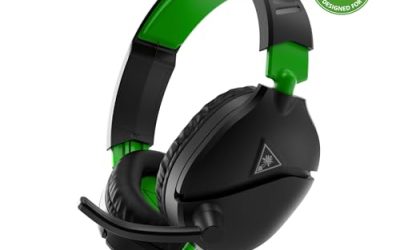
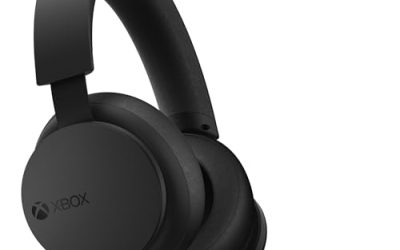
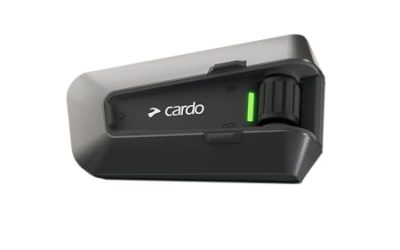
The best Bluetooth telephone headset for most people is the Jabra Evolve2 65 or the Poly Voyager Focus 2, both of which pair with a phone and a computer at the same time, cancel background noise on the microphone and last a full workday on a charge. If you only need a single earpiece for calls, a mono Bluetooth headset in the Poly Voyager 5200 class is lighter and cheaper. Always check that the headset supports multipoint pairing, since that is what lets one headset serve a desk phone, a laptop and a mobile phone.
As an Amazon Associate we earn from qualifying purchases at no extra cost to you.
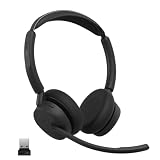


Top 3 picks at a glance
Quick comparison of Bluetooth phone headsets
| Pick | Best for | Key specs | Typical price range |
|---|---|---|---|
| Jabra Evolve2 65 | Best overall, office and home | Stereo or mono, multipoint, active noise cancelling, USB Bluetooth adapter | Usually $150-$250 |
| Poly Voyager Focus 2 | Open-plan offices, desk phone link | Stereo, active noise cancelling, USB adapter or charging stand, multipoint | Usually $200-$300 |
| Jabra Evolve2 55 | Long wear, lighter weight | Lightweight stereo, multipoint, long battery | Usually $120-$220 |
| Poly Voyager 5200 mono earpiece | Mobile calls, driving, light use | Mono, in-ear boom or earpiece, about 7 hours talk time class | Usually $50-$100 |
| Generic budget Bluetooth headset | Occasional calls | Mono, basic microphone, 5 to 10 hours talk time | Usually $20-$50 |
Best overall: Jabra Evolve2 65
The Evolve2 65 is built for people who spend hours on calls. According to Jabra’s product pages, it supports multipoint connection, includes a USB Bluetooth adapter for computers, and offers active noise cancelling and a boom-free microphone design, which reduces background noise on your side of a call. It comes in mono and stereo versions: mono leaves one ear open for the office, stereo adds immersion for music. The trade-off is the on-ear design, which can warm up ears over a long day, and the price compared with consumer earbuds.
Best for open offices: Poly Voyager Focus 2
This headset is aimed at noisy workplaces. It has active noise cancelling, a boom microphone and a charging stand that can connect to a desk phone or computer, according to the manufacturer. The boom microphone captures your voice more cleanly than a microphone built into an earcup. The trade-off is that it is heavier and more expensive than the lighter models, and the boom looks bulky if you use it with a phone on the move.
Best for comfort: Jabra Evolve2 55
This lightweight model suits people who wear a headset for most of the day. A lighter frame reduces pressure and heat on the head, and the battery is rated for a full working day. The trade-off is that its noise cancelling is not as strong as that of the top models, so it fits quieter offices and home use.
Best for mobile and driving: mono Bluetooth earpiece
A mono earpiece weighs a few grams and clips onto your ear. It is the better choice if most of your calls happen on a mobile phone, particularly when driving where hands-free calling is required. The trade-off is that it lacks a boom microphone, so noise reduction depends on the built-in algorithm and the battery is limited to a few hours of talk time.
Worked example: how much battery do you really need?
Suppose you take 4 hours of calls a day, plus 2 hours of listening to music and meetings. Total active time is 6 hours. A headset rated for 24 hours of talk time on a full charge, a number that is common for office models, has about 4 days of use in this pattern, because 24 divided by 6 gives 4. A mono earpiece rated for 7 hours of talk time lasts barely over one day, since 7 divided by 6 is about 1.2. If you forget to charge it every second day, you will end up with a dead earpiece in the middle of a call.
Real-world talk time is usually shorter than the rated figure when noise cancelling is on, so apply a safety factor of about 0.8. A 24-hour headset delivers about 19 hours, which is still over three days of the pattern above. Fast-charging also matters: look for a 10-minute charge that provides at least 60 to 90 minutes of talk time, so a forgotten charge does not stop your workday.
Decision matrix: match the headset to your day
| Your situation | Choose | Why |
|---|---|---|
| Hybrid worker, laptop plus mobile | Evolve2 65 with multipoint | Pairs with two devices at once |
| Noisy open-plan office | Voyager Focus 2 | Boom microphone and noise cancelling |
| All-day wear, quiet office | Evolve2 55 | Lightweight, long battery |
| Calls while driving or walking | Mono earpiece | Small, one-ear design |
| Desk phone with a Bluetooth base | Headset with a base or charging stand | Direct link to the desk phone |
How to choose: six checks
- Multipoint. It lets the headset stay connected to two devices and answer whichever one rings. Without it, you have to un-pair and re-pair when you switch.
- Microphone type. A boom microphone sits close to the mouth and gives clearer speech than a microphone in the earcup, particularly in noisy rooms.
- Noise cancelling. Active noise cancelling reduces what you hear, while microphone noise reduction reduces what the caller hears. They are separate features, so check both.
- Bluetooth version and codec. Bluetooth 5.0 or higher gives a stable connection at a range of about 30 meters in open space. For calls, the codec matters less than the microphone quality.
- Compatibility. If you use Microsoft Teams or Zoom, look for a certified version, which gives dedicated call buttons and a busy light.
- Weight. Under about 150 grams is comfortable for all-day wear, and a mono earpiece should be under 20 grams.
Setup steps for connecting a headset to a desk phone
If your desk phone does not have Bluetooth, use a base or an adapter. First, connect the adapter to the phone’s headset port or handset jack and plug in the power. Second, pair the headset with the base according to the manual, which usually means holding the button until the light blinks. Third, set the correct microphone and volume profile on the base, since phone models differ. Fourth, make a test call and adjust the speaking level so your voice is neither too quiet nor distorted. Always keep the firmware up to date, because manufacturers release fixes for connection issues.
Frequently Asked Questions
What does multipoint mean on a Bluetooth headset?
It means the headset can stay connected to two devices at the same time, for example a phone and a laptop. When a call arrives on either one, you can answer it without pairing again.
Can I connect a Bluetooth headset to a desk phone?
Only if the desk phone has Bluetooth or you use a base or adapter that connects to the headset port. Many office headsets include a base for this reason, so check the box contents.
Is a mono or a stereo headset better for calls?
Mono leaves one ear free, which is better for staying aware of your surroundings in an office. Stereo gives better sound for music and video meetings, and many people use it with noise cancelling on.
How far can a Bluetooth headset be from my phone?
Most Bluetooth 5 headsets give a usable connection at about 10 meters indoors and up to 30 meters in open space. Walls and other wireless devices reduce the range.
Do I need noise cancelling for phone calls?
Microphone noise reduction is more important than noise cancelling in your ears, because it determines what the other person hears. Active noise cancelling is useful in a loud environment but not essential in a quiet home office.
Related guides
More from Amazon
Programs that pair well with the guide above. Offers and eligibility are set by Amazon and may change.
A free business account with business pricing and bulk-buying tools for work, shop or home office.
Create a business accountFree shipping on eligible items, Prime Video and more. Eligible new members can start with a free trial.
Start a Prime free trialAudiobooks and podcasts to listen to on the go. Eligible new members can start with a free trial.
Try Audible freeAd-free music streaming. Eligible new subscribers can start with a free trial.
Try Music Unlimited freeAs an Amazon Associate we earn from qualifying purchases.