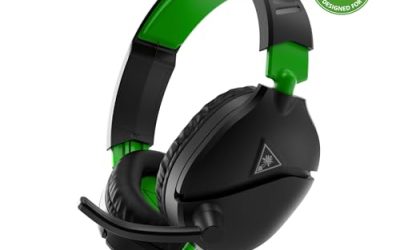
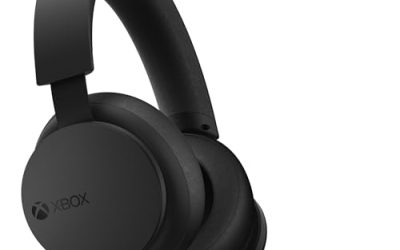
The best replacement earpads for a headset depend on your model first and material second: choose pads made for your exact headset, then pick between velour for comfort and breathability, protein leather for bass and isolation, or a hybrid with both. Aftermarket makers such as Dekoni Audio, Brainwavz, and Geekria sell pads for popular gaming headsets and studio headphones, usually for $15-$50 a pair.
Worn-out earpads cause three problems: flaking surfaces, a loss of cushioning that makes the headset press on your ears, and a drop in bass and noise isolation as the seal weakens. Replacing the pads is far cheaper than a new headset and takes about two minutes. This guide covers how to match pads to your headset, how the materials change the sound, and a measurement method that avoids buying the wrong size.
Quick comparison of earpad materials
| Pad type | Best for | Sound effect | Typical price per pair |
|---|---|---|---|
| Velour or fabric | Long sessions, warm rooms | Slightly more open, less bass, a bit more treble | Usually $15-$35 |
| Protein leather (PU) | Isolation, bass response | Tighter seal, stronger bass, warmer heat | Usually $15-$35 |
| Genuine sheepskin leather | Premium feel and durability | Balanced, smooth bass | Usually $40-$70 |
| Hybrid (leather outside, velour face) | Comfort with decent isolation | Between velour and leather | Usually $25-$50 |
| Cooling gel or perforated | Hot climates and marathon play | Slightly reduced bass, cooler skin contact | Usually $20-$40 |
| Memory foam, thicker pads | Wide or tall ears | Deeper cup, can shift soundstage | Usually $20-$45 |
Best for comfort and heat: velour pads
Velour or fabric pads let air move, so ears stay cooler during long sessions, and they feel softer on glasses frames. Many studio headphone owners swap to velour for comfort. The trade-off is that they let in more outside noise and usually produce a little less bass than a leather pad on the same headset.
Velour also holds dust and hair, and it can wear at the edges after a year or two of daily use. If you play in a warm room or wear glasses, this is the pad to pick first.
Best for bass and isolation: protein leather pads
Protein leather, a soft synthetic, forms a tighter seal against the head. That seal helps keep low frequencies in and room noise out, so bass tends to sound fuller. Most stock gaming headsets use some version of it.
The trade-off is heat and sweat. A sealed pad traps warmth, and cheap versions crack within a year. Look for thicker layered pads with a stitched edge for better lifespan.
Best premium option: sheepskin or hybrid pads
Dekoni Audio’s well-known lines include sheepskin and hybrid choices for headphones from Audio-Technica, Beyerdynamic, and Sennheiser, and the brand also makes pads for popular gaming models. Sheepskin feels soft and breathes better than synthetic leather, and hybrids combine a leather outer with a velour contact surface.
The trade-off is price, often $40-$70, which can approach the cost of a budget headset. They make sense on headphones you intend to keep for years.
Best for hot climates: cooling gel and perforated pads
These pads use a gel layer or small perforations so heat does not build up. They help during long matches but reduce bass slightly because the seal is less airtight. They suit players in warm rooms or without air conditioning.
How to choose: a worked fitting check
The most common mistake is buying the right brand but the wrong shape. Follow these steps.
- Identify your exact model. Look on the headband, inside the cup, or on the box for the model name, such as HyperX Cloud II, SteelSeries Arctis 7, Logitech G Pro X, or Razer BlackShark V2. Earpad fit is model-specific.
- Measure the cup. Remove the old pad and measure the outer width and length of the cup in millimeters. A typical oval gaming headset cup measures about 90-100 mm tall and 70-80 mm wide. A round cup is often 90-105 mm across.
- Check the attachment type. Some pads clip on with a plastic ring, some push over a lip, and some use a snap-in plate. The listing should say which fits your headset.
- Check thickness. Stock pads are often 15-25 mm thick. Thicker pads of 25-35 mm give more ear room but move the drivers farther from your ears, which can slightly reduce bass.
- Match the material to your goal. Choose velour for comfort, leather for isolation, hybrid for balance.
| Your problem | Pad choice | Why |
|---|---|---|
| Ears get hot after 1 hour | Velour or cooling gel | Better airflow |
| Outside noise is distracting | Protein leather, thick | Stronger seal |
| Headset presses on ears | Thicker memory foam pads | More cup depth |
| Wear glasses | Soft velour or hybrid | Less pressure on frame arms |
| Bass feels thin | Replace worn leather with fresh leather | Seal restored |
| Pads peel and flake | Quality leather or sheepskin | Longer lifespan |
What changes in sound after you swap pads
Pad swaps change sound because they alter the volume of air inside the cup and how tightly the cup seals to your head. Published headphone measurements from independent labs commonly show a few decibels of difference in low-bass output between velour and leather pads on the same model. Expect a slightly leaner bass but more open treble with velour, and the opposite with leather. The change is real but modest, similar to a gentle equalizer tweak rather than a new headset.
If your headset has a mic or software equalizer, you can compensate. A 2-3 dB boost around 60-100 Hz recovers the bass lost when moving from leather to velour.
How to replace earpads safely
- Peel the old pad from the cup, starting at an edge and working around. Some pads twist off.
- Clean the cup lip with a dry cloth to remove adhesive or foam crumbs.
- Line up the new pad’s notch or arrow with the cup and press it into the lip evenly.
- Check that the foam does not cover the driver or the cable inlet.
- Test the fit on your head and adjust the headband.
When to replace the headset instead
Replace pads when the surface cracks, the foam flattens, or the seal weakens. Replace the whole headset if the drivers crackle, the mic fails, or the headband is cracked. If the headset is more than five years old and a modern one costs about the same as premium pads, a new headset may be a better value.
Frequently Asked Questions
Do all headsets use the same earpads?
No. Pads are shaped and attached differently by model. A pad for one headset may not fit another even if the brand is the same. Always search by exact model name.
Are third-party earpads as good as originals?
Many are as good or better, especially premium ones from specialist makers. Cheap generic pads vary in thickness and foam density, which can change comfort and sound. Check the listing’s dimensions against your cups.
How often should I replace earpads?
Daily users typically replace them every one to two years. Signs include cracking, flaking, flattening, and a noticeable loss of bass. Sweat and oils speed up wear on synthetic leather.
Can new earpads improve bass?
If your old pads have worn out and no longer seal, fresh leather pads restore the original bass. Moving to thicker or velour pads can reduce it, so choose based on whether you want comfort or low-end impact.
How do I clean earpads?
Wipe leather pads with a slightly damp cloth and a little mild soap, then dry. Velour pads can be gently brushed or vacuumed. Avoid soaking foam, since moisture can damage it and the drivers.
Related guides
More from Amazon
Programs that pair well with the guide above. Offers and eligibility are set by Amazon and may change.
A free business account with business pricing and bulk-buying tools for work, shop or home office.
Create a business accountFree shipping on eligible items, Prime Video and more. Eligible new members can start with a free trial.
Start a Prime free trialAudiobooks and podcasts to listen to on the go. Eligible new members can start with a free trial.
Try Audible freeAd-free music streaming. Eligible new subscribers can start with a free trial.
Try Music Unlimited freeAs an Amazon Associate we earn from qualifying purchases.