
Navigating the hardware landscape for crypto extraction requires a disciplined approach, especially as the industry matures. Whether you are expanding an existing facility or deploying your very first dedicated setup, the primary objective remains unchanged: maximizing computational output while minimizing operational overhead. Many beginners make the critical error of chasing raw hashrate without looking at the broader economic picture, leading to hardware that burns through utility budgets faster than it generates digital assets.
Choosing the right hardware involves balancing initial capital expenditure against long-term durability, electrical limits, and thermal constraints. By focusing on core metrics rather than flashy marketing claims, you can build or buy a reliable configuration that withstands continuous, heavy operation. This guide breaks down the essential factors you must evaluate to make an informed purchasing decision and avoid costly mistakes.
As an Amazon Associate we earn from qualifying purchases at no extra cost to you.
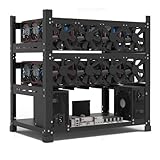
Understanding Hashrate Versus Power Efficiency
When evaluating potential hardware, the temptation is always to look exclusively at the maximum hashrate. However, raw output means very little if the energy required to produce those calculations outweighs the financial return. You must calculate hashes per watt to truly understand how efficiently a device converts electricity into computational results. A slightly slower unit that consumes significantly less power will often yield better long-term profitability, particularly in regions where utility rates fluctuate or trend upward. Always prioritize energy efficiency ratings over raw performance metrics when comparing different models.
Evaluating ASIC Versus GPU Hardware Options
Your choice of architecture dictates both your flexibility and your maintenance requirements. Application-Specific Integrated Circuits are built to solve a single mathematical algorithm with extreme efficiency, making them unbeatable for specific networks. On the other hand, multi-card configurations offer greater versatility, allowing you to pivot between different networks if market conditions shift. Consider your long-term goals and willingness to manage complex software environments before committing to a rigid, single-purpose hardware architecture.
Power Supply Unit (PSU) Capacity and Electrical Safety
The power delivery system is the beating heart of any computational setup and arguably the most dangerous point of failure if neglected. You need a power supply unit featuring high-efficiency certifications, typically aiming for gold or platinum ratings to minimize energy loss as heat. Furthermore, adhere strictly to the safe load threshold rule, ensuring your total continuous draw never exceeds a specific percentage of the maximum rated capacity. Running units near their absolute ceiling creates thermal stress, degrades components prematurely, and dramatically increases the risk of electrical faults or fire.
Thermal Management and Airflow Design
Continuous computational workloads generate immense amounts of heat that must be systematically exhausted from the chassis. If ambient temperatures rise unchecked inside your enclosure, thermal throttling will automatically reduce performance to prevent physical damage. Design your setup with dedicated intake and exhaust pathways, maintaining a clean push-pull airflow dynamic. Additionally, incorporate physical dust filters and commit to a regular cleaning schedule, as accumulated debris acts as an insulating blanket that traps heat directly against sensitive microchips.
Assessing Noise Levels and Deployment Locations
High-performance cooling fans spin at incredible velocities, generating a persistent, high-decibel whine that makes residential deployment nearly impossible. Before purchasing equipment, check the operational noise output ratings and evaluate where you plan to house the physical unit. Running loud equipment in a living space leads to severe acoustic disturbance, while basements or garages require proper weatherproofing and humidity control. Many operators find they must invest in specialized sound-dampening enclosures or remote outbuildings to manage the noise footprint effectively.
Avoiding Common Sizing and Compatibility Mistakes
A common pitfall for newcomers is purchasing mismatched components that create severe system bottlenecks. For instance, pairing an underpowered motherboard or an outdated processor with modern, high-bandwidth interface cards can destabilize the entire platform. Ensure that your motherboard lanes, risers, and operating system pathways fully support the hardware load you intend to place on them. Verifying physical dimensions and port layouts prior to purchase prevents frustrating assembly delays and damaged hardware interfaces.
Knowing When to Invest in Premium Components
Budgeting is crucial, but cutting corners on foundational hardware elements is a false economy. Investing in tier-one brands for your core distribution boards, cabling, and cooling fans ensures better manufacturing tolerances and reliable baseline safety protections. Premium components generally feature more robust warranties, higher-grade capacitors, and superior customer support channels. Spend extra capital where reliability directly impacts safety and uptime, while saving on auxiliary aesthetic parts that add no functional value.
Related Guides
To explore top-performing setups currently available on the market, be sure to check out our comprehensive Best Mining Rig analysis, which reviews current options based on real-world efficiency and build quality.
FAQ
How much maintenance does a continuous crypto extraction setup require?
Routine maintenance typically involves bi-weekly dust removal, monitoring fan speeds, and checking connection stability. Neglecting airflow cleaning can lead to thermal throttling and premature hardware degradation.
Can I run a commercial-grade configuration on standard household wiring?
Standard residential circuits are usually limited to lower amperage thresholds, making large-scale units unsafe without dedicated high-voltage lines. Always consult a certified electrician before installing high-draw hardware in a residential environment.
Is it better to build a custom unit or purchase a pre-assembled system?
Pre-assembled systems offer plug-and-play convenience and matched components, making them ideal for beginners. Custom builds allow for granular part selection and easier individual component replacement, though they require deeper technical knowledge.
What is the most common cause of premature hardware failure?
Excessive heat combined with poor ambient air filtration is the leading cause of component breakdown. Keeping operating temperatures within manufacturer limits significantly extends the lifespan of sensitive microchips.


