
When an SSD needs to remember where your data physically lives, it uses a mapping table, and where that table sits determines a lot about performance. Drives with onboard DRAM keep it on the SSD; DRAM-less drives either do without or borrow a slice of your system RAM through Host Memory Buffer. Knowing the difference explains why two similarly priced drives can feel worlds apart.
As an Amazon Associate we earn from qualifying purchases at no extra cost to you.


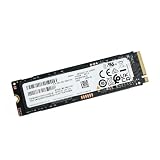

Top 3 picks at a glance
Why SSDs Need a Mapping Table
Flash memory constantly relocates data for wear leveling and garbage collection, so the physical address of any file changes over time. The controller keeps a Flash Translation Layer table mapping logical addresses to physical ones. For fast lookups this table wants to live in quick memory. A full-size table runs roughly 1 GB of DRAM per 1 TB of capacity.
Three Approaches
| Design | Where the map lives | Random performance |
|---|---|---|
| DRAM cache | Dedicated chip on the SSD | Best, consistent |
| HMB (DRAM-less) | Borrowed system RAM (tens of MB) | Good for light loads |
| Pure DRAM-less | Small SRAM on controller only | Weakest under load |
A DRAM-cached drive holds the whole map on board, so random reads and writes stay quick even when the drive is busy. HMB drives borrow a small window of system memory, often 32-64 MB, enough to cache a working slice of the table but not the whole thing. Pure DRAM-less drives lean on tiny controller memory and slow down under sustained random access.
How Host Memory Buffer Works
HMB is a feature where the SSD asks Windows for a small chunk of your RAM to store part of its mapping table. It is not a data cache and it does not use gigabytes; it is a modest window. For a boot drive doing everyday browsing, launching apps, and loading games, HMB narrows much of the gap to a DRAM drive at lower cost.
When the Difference Shows Up
For sequential work like copying big files, DRAM-less and DRAM drives look similar because the mapping is predictable. The gap widens with heavy random 4K operations: many small files, database-like workloads, or an OS drive under multitasking pressure. There, a DRAM cache keeps latency low and steady, while a DRAM-less drive’s response times climb.
What It Means for Gamers
Game loading is a mix of large sequential reads and bursts of random reads. A good DRAM-less HMB drive is perfectly usable as a game library disk and often only a few seconds slower in loads. For a boot drive that also holds your OS and dozens of background tasks, a DRAM-cached drive gives more consistent snappiness and is worth the small premium.
FAQ
Is a DRAM-less SSD bad for gaming?
Not at all. Modern DRAM-less drives with HMB load games nearly as fast as DRAM drives, usually within a second or two. They are a smart pick for a secondary game drive where you want capacity per dollar. Reserve the DRAM drive for your OS boot disk if you want the most consistent feel.
Does HMB use a lot of my system RAM?
No. HMB typically borrows only tens of megabytes, a trivial amount on a 16 GB or 32 GB gaming build. You will not notice the memory being used, and Windows manages it automatically, reclaiming it if needed.
Bottom Line
DRAM-cached SSDs keep their full mapping table onboard for the most consistent random performance, while DRAM-less drives use Host Memory Buffer to borrow a little system RAM and get most of the way there for less money. For a busy OS boot drive, pay for DRAM. For a secondary game library drive, a quality HMB drive is the value sweet spot.


