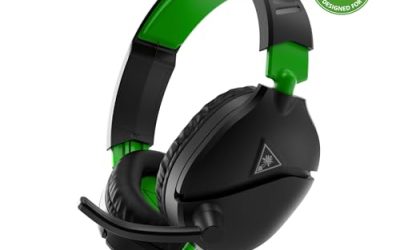
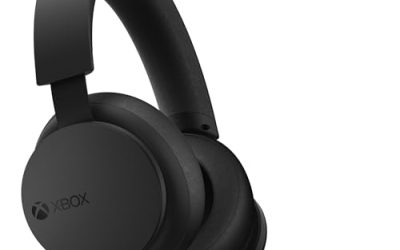
The best desktop gaming headset is a wired, USB or 3.5 mm headset with a 40-50 mm driver, a detachable or flip-to-mute boom microphone and a clamp force you can wear for hours, since a PC desk setup does not need battery life. For most players, a wired headset in the $60-$130 range delivers the cleanest sound and lowest latency, while a 2.4 GHz wireless model in the $100-$250 range suits those who want to stay cable-free.
Quick comparison of headset types
| Type | Best for | Key specs | Price range |
|---|---|---|---|
| Wired 3.5 mm headset | Simple, compatible, best value | 40-50 mm drivers, 20 Hz-20 kHz, 3.5 mm or USB | $40-$100 |
| Wired USB headset with DAC | PC-only players who want virtual surround | Built-in sound card, software EQ | $60-$150 |
| 2.4 GHz wireless headset | Cable-free desk gaming | Low-latency dongle, 30-70 hour battery life | $100-$250 |
| Open-back headset | Wide soundstage, quiet rooms | Open ear cups, 50 mm drivers | $100-$250 |
| Lightweight headset | Long sessions and glasses wearers | Under 300 g, soft memory foam pads | $60-$170 |
Best overall: wired USB headset with a clear microphone
A wired headset avoids battery management and compression, and USB models carry a small digital-to-analog converter, which means your motherboard audio does not matter. Look for a 40-50 mm driver, a frequency response of roughly 20 Hz-20 kHz in the manufacturer’s spec sheet, and a boom microphone that flips up to mute. A good boom mic matters more for team voice chat than raw headphone quality.
The trade-off is the cable. Quality USB cables are usually 1.8-2 m long and can snag on a desk, and fancy surround processing is software-based and varies by game.
Best wireless: 2.4 GHz dongle headset
Wireless headsets using a USB dongle on the 2.4 GHz band have lower latency than Bluetooth and are suitable for competitive play. Check the battery rating in the specification sheet; many land between 30 and 70 hours, though figures depend on volume and lighting. Pick a model with USB-C charging and, if you can, one that lets you play while charging.
The downsides are price, extra weight from the battery, and the occasional dongle interference when it sits behind a PC tower. Plug it into a front-panel port or an extension cable.
Best for comfort: lightweight with memory foam pads
For sessions longer than three hours, weight and clamp force matter. Aim for under about 300 g and look for adjustable headbands with suspension straps or wide padding. Memory foam with a breathable fabric cover runs cooler than leatherette, though leatherette seals better for bass and isolation. Glasses wearers should look for softer, thicker pads that do not press the temples.
Best for competitive shooters: open-back design
Open-back headsets let sound escape and air in, giving a wider soundstage that can make footsteps and directional cues easier to place. They also reduce heat. The trade-off is that they leak sound to anyone nearby and your microphone can pick up room noise, so they suit quiet rooms rather than shared spaces.
Best budget: wired 3.5 mm headset
A basic 3.5 mm wired headset in the $40-$70 range works on almost any desktop, console or phone. Expect plastic builds, simpler microphones and less bass, though the sound is acceptable for casual gaming and voice chat. Check that your PC has a combined headset jack, or use a splitter that separates headphone and microphone plugs.
How to choose with numbers
| Priority | Spec to check | Target value |
|---|---|---|
| Comfort over 4+ hours | Weight | Under 300 g, soft pads |
| Voice chat clarity | Microphone type | Detachable boom, noise-cancelling, cardioid pattern |
| Sound quality | Driver size and tuning | 40-50 mm drivers, adjustable EQ |
| Wireless freedom | Battery life | 30+ hours at moderate volume |
| Low latency | Connection | Wired or 2.4 GHz dongle, not Bluetooth |
| Compatibility | Plug type | USB-A, USB-C or 3.5 mm with mic |
Worked example: battery and charging
Suppose a wireless headset has a rated battery life of 50 hours and you play four hours daily. That is a charge about every 12 days. If you often use higher volume or lighting effects, the real figure may fall to 35 hours, which is closer to every 8-9 days. Choosing a model that can be used while plugged in via USB-C avoids any interruption. Compare that to a wired headset, where the same four hours daily costs nothing in charging at all.
Connection types explained
- 3.5 mm analog: works with anything, but quality depends on your PC’s audio chip and the cable.
- USB: includes a built-in sound card, so audio quality is more consistent from system to system.
- 2.4 GHz wireless: low latency and good range, typically around 10-15 m in open space.
- Bluetooth: convenient for phones but adds latency, so it is less suitable for fast games.
Settings to get better sound
- Set the headset as the default device: in Windows sound settings, choose it for both playback and communications.
- Use a 48 kHz or 24-bit format: match the headset’s maximum in the properties menu to avoid resampling.
- Try stereo before virtual surround: many players find stereo more accurate for footsteps, while surround processing can blur positions.
- Adjust microphone level: set input between 70 and 90 percent and turn off boost if you hear hiss.
- Add a pop filter or windscreen: a foam cover reduces breath noise on cheaper boom mics.
Matching a headset to your desk and games
Think about the games you play most. Competitive shooters reward clear mid-range tuning so footsteps and reloads stand out, so a neutral or slightly mid-forward sound signature with an adjustable equalizer is more useful than heavy bass. Story-driven and open-world games benefit from a fuller low end and wider soundstage, which is where open-back or larger-driver models can shine. Streamers and voice-chat heavy players should treat the microphone as the first purchase criterion, because teammates hear it constantly and poor pickup undermines good headphones.
Your room matters too. In a noisy household, closed-back cups with good pad seals reduce outside sound without needing active noise cancellation. In a quiet office, open-back designs give a more natural feel but leak sound to others. If you wear glasses, test pad softness and clamp force, because a firm clamp pressing the arms of glasses against your head becomes painful after an hour or two.
Finally, consider upgrade paths. A headset with a detachable microphone and replaceable ear pads can be refreshed for a small cost, and a standard 3.5 mm or USB-C connection avoids being locked into one proprietary dongle. If you also plan to use the headset with a console or a phone, confirm that the same connection works there, and that the microphone cable follows the common four-pole wiring standard.
Frequently Asked Questions
Is a wired or wireless gaming headset better for a desktop PC?
Wired is better if you prioritize value, consistency and zero battery worries, while wireless is better if you dislike cables. A 2.4 GHz wireless headset is a good compromise, since its latency is low enough for competitive play.
Do I need a USB headset or a 3.5 mm one?
USB headsets include their own sound card, giving consistent quality and easy software control. A 3.5 mm headset is simpler and works on more devices, but depends on your motherboard’s audio quality.
What driver size should I look for?
Most gaming headsets use 40-53 mm drivers. Tuning and quality of the driver matter more than size alone, so look at sound character in reviews and the manufacturer’s frequency response as a rough guide.
Does virtual 7.1 surround help in games?
It can add a sense of space in single-player games, but many competitive players prefer plain stereo for accurate positioning. Try both for a week and keep what works for you.
How long should a gaming headset last?
A quality headset usually lasts several years if the pads are replaced when worn. Wireless models eventually lose battery capacity, so a headset with replaceable pads and a standard charging port tends to age better.
Related guides
More from Amazon
Programs that pair well with the guide above. Offers and eligibility are set by Amazon and may change.
A free business account with business pricing and bulk-buying tools for work, shop or home office.
Create a business accountFree shipping on eligible items, Prime Video and more. Eligible new members can start with a free trial.
Start a Prime free trialAudiobooks and podcasts to listen to on the go. Eligible new members can start with a free trial.
Try Audible freeAd-free music streaming. Eligible new subscribers can start with a free trial.
Try Music Unlimited freeAs an Amazon Associate we earn from qualifying purchases.