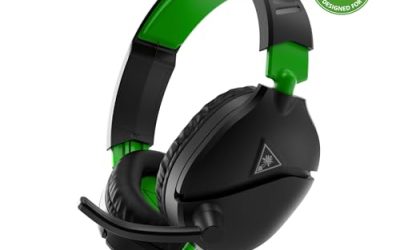
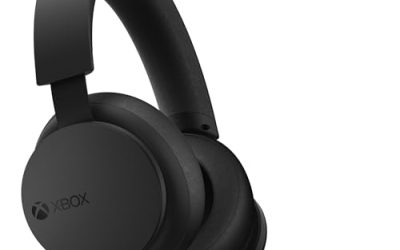
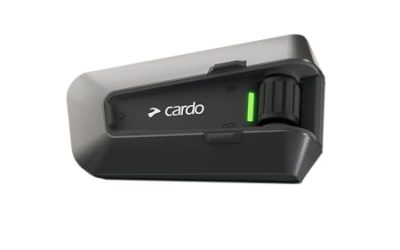
The best communication headset for airsoft is a ruggedized tactical headset that fits under a helmet, such as the Peltor ComTac-style electronic ear defenders, the Earmor M32 or M31 series, or the Z-Tactical Comtac-style budget clones, paired with a push-to-talk (PTT) adapter for your radio. For most players, a Baofeng-class handheld radio plus a Kenwood two-pin headset adapter and a lightweight over-ear headset gives clear team communication at a fraction of the price of military-grade gear.
Quick comparison of communication headset picks
| Pick | Best for | Key specs | Price range |
|---|---|---|---|
| Earmor M32 (class) | Best overall | Active hearing protection, dual mics, NRR about 22 dB, helmet rail compatible | Usually $250-$350 |
| Peltor ComTac-class headset | Best premium | Active noise management, dual mics, long battery life | Usually $300-$700 |
| Z-Tactical Comtac-style | Best budget | Noise-reduction pickup mic, ear cups, helmet rail mounts | Usually $20-$60 |
| Open-ear bone conduction or throat mic | Best for situational awareness | No ear cups, mic pickup on neck | Usually $25-$80 |
| Wireless headset system class | Best for cable-free setups | Bluetooth or radio-integrated, short battery runtime | Usually $80-$250 |
Prices are general market ranges. Check each manufacturer’s spec sheet for connector type, because the wrong plug will not work with your radio.
Best overall: Earmor M32-class headsets
Earmor’s M32 and M31 headsets are popular among tactical shooters because they pair active hearing amplification with a boom mic. They amplify quiet sounds like footsteps and cut off loud ones above a safe threshold, which matters if you play at a field where real-steel noise or loud support weapons are present. They are also built to mount on helmet rails.
The trade-off is cost. You are paying for protection and rugged build that many airsoft players do not strictly need. If you play outdoors in short games with a radio on your chest, a cheaper headset may be enough.
Best premium: Peltor ComTac-class headsets
Peltor-style headsets are a long-time standard among professional users. Dual mics, level-dependent hearing, long battery life and robust cups are the draw. The trade-off is price and weight, and many players buy refurbished or older models to save money.
Best budget: Z-Tactical Comtac-style headsets
Budget clones offer ear cups, a noise-reducing mic and a simple wiring harness at $20-$60. They work well for casual games, but the electronics often use basic circuitry: sound pickup is less accurate, the mic may add hiss, and the quality of the foam cushions varies. Treat them as communication gear, not as hearing protection, and do not assume they meet any official noise rating.
Best for situational awareness: throat mic or bone-conduction setups
Some players dislike covering their ears, especially on wooded fields where they listen for footsteps. A throat mic, which picks up voice vibrations through your neck, and a single-ear air-tube earpiece keep one ear open. This is lighter and cooler, though the audio is less clear in windy conditions.
Best for cable-free setups: wireless systems
Wireless headsets remove the cable between your radio and head, which prevents snagging in brush. They rely on batteries, so check runtime: a typical rechargeable pack lasts 8-12 hours, which is enough for a game day but not a weekend event without a charger. Latency over Bluetooth can also make push-to-talk feel slow, so choose a system that uses a dedicated radio link when possible.
How to choose: connector and radio compatibility
The most common mistake is buying a headset that does not match the radio. Most budget handheld radios use a Kenwood two-pin plug, while Motorola-style radios use a different pair of connectors. Before buying, find your radio model, check its accessory port type and confirm that the headset or adapter matches. Always buy a PTT adapter with a push-to-talk button that you can reach with a glove on.
Next, check helmet compatibility. If you use a Fast-style helmet, you need headset arms that attach to ARC rails, otherwise the headset will sit on top of the helmet and not fit. A headset with a wraparound band works for players without helmets.
Worked example: battery and range planning
Suppose you play 3 games of 90 minutes each, plus 30 minutes of staging and breaks. That is about 5 hours of use. A headset with 2 AA batteries and 150 hours of rated runtime comfortably lasts the day, while a rechargeable headset rated for 10 hours with a 5-hour use plan leaves a 50 percent buffer. For radio range, a handheld with 5 W transmit power typically covers a few hundred meters in woods and over a kilometer in open ground, though terrain and foliage reduce it. Licensing rules for radio use differ by country, so check local regulations before you transmit on any band.
| Your situation | Choose | Why |
|---|---|---|
| Play at a field with real-steel or loud noise | Earmor or Peltor class with hearing protection | Level-dependent protection |
| Casual weekend games, tight budget | Budget Comtac-style clone | Lowest cost |
| Wooded terrain, listen for footsteps | Throat mic with single earpiece | Open ear |
| Helmet with ARC rails | Rail-mount headset | Secure fit |
| Multi-day event | AA-powered headset | Easy battery swap |
Tips for clearer comms
Keep the mic within about a thumb’s width of your mouth and speak in short phrases. Use a windscreen over the boom mic when playing outdoors, and set your radio squelch level so that background hiss does not trigger the channel. Test your gear before the game by walking 100 meters away and checking that your team hears you clearly. Use agreed call signs and brief phrases, since long sentences are easily clipped when other players key in.
Fit, comfort and weather considerations
Comfort decides whether you actually keep the headset on for a full game day. Ear cups with gel or thick foam seals block more noise but trap heat, so in summer a ventilated cup or an open-ear design is more comfortable. Wearing glasses or eye protection with side arms can break the seal and reduce noise attenuation, so thin-arm goggles pair better with low-profile headsets. Try the headset with your actual helmet and goggles before committing, since a headset that feels fine alone may press on your temples under a helmet.
Weather matters as well. Rain and mud will quickly kill unsealed electronics, so choose a headset with a water-resistant rating if your field is often wet, and carry spare batteries in a zip bag. In cold weather, alkaline batteries lose capacity quickly, and lithium AA cells last noticeably longer at low temperatures. Keep the radio and adapter cable routed along your plate carrier or vest so that the cable does not snag when you go prone, and use a short coil or a cable clip to stop the PTT unit from swinging.
A last point is etiquette and field rules. Some sites require hearing protection or limit radio use to certain channels, so ask the organizers before you buy, and set a squelch tone or channel code so that nearby groups do not overlap on your frequency.
Frequently Asked Questions
Do I need a headset for airsoft?
No, but it improves coordination dramatically. Many casual players get by with hand signals, though a radio setup helps in large objective-based games.
Can I use a gaming headset for airsoft communication?
You can plug a normal gaming headset into a PTT adapter, but most are bulky, have closed cups that block ambient sound and do not fit under helmets. A tactical headset is designed for the job.
What radio do I need for airsoft?
A basic handheld two-way radio with 4-5 W of power is enough for most fields. Make sure it uses a connector that matches your headset and check local rules for the frequencies you plan to use.
Is active hearing protection worth the money?
It is worth it if your field includes loud noise sources or if you want to protect your hearing over many years. Airsoft guns alone are not as loud as firearms, so players on a budget may skip it.
How do I stop my mic from picking up wind?
Fit a foam windscreen over the boom mic, position it at the corner of your mouth and use a throat mic in strong wind. Facing away from the wind when transmitting also helps.
Related guides
More from Amazon
Programs that pair well with the guide above. Offers and eligibility are set by Amazon and may change.
A free business account with business pricing and bulk-buying tools for work, shop or home office.
Create a business accountFree shipping on eligible items, Prime Video and more. Eligible new members can start with a free trial.
Start a Prime free trialAudiobooks and podcasts to listen to on the go. Eligible new members can start with a free trial.
Try Audible freeAd-free music streaming. Eligible new subscribers can start with a free trial.
Try Music Unlimited freeAs an Amazon Associate we earn from qualifying purchases.