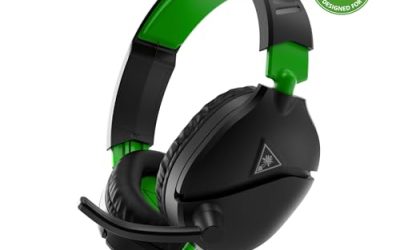
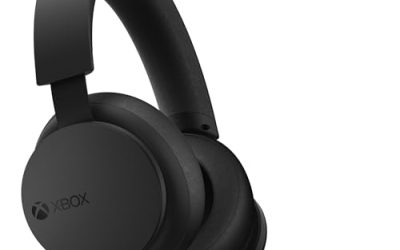
The most cost-effective gaming headset in 2026 for most people is the HyperX Cloud III, with the Razer BlackShark V2 X and the Logitech G435 as cheaper alternatives. Cost-effective means the best sound, microphone and comfort per dollar, not the lowest price. In practice, that means looking for 40-53 mm drivers, a detachable or clear microphone, and a build that survives daily use, usually in the $40-$100 range.
Quick comparison of cost-effective gaming headsets
Specifications come from manufacturers’ spec sheets; prices are general market ranges that move with promotions.
| Pick | Best for | Drivers | Connection | Price range |
|---|---|---|---|---|
| HyperX Cloud III | Best overall value | 53 mm | Wired 3.5 mm and USB | $70-$100 |
| Razer BlackShark V2 X | Best wired for competitive shooters | 50 mm | Wired 3.5 mm | $40-$60 |
| Logitech G435 Lightspeed | Best budget wireless and lightweight | 40 mm | 2.4 GHz and Bluetooth | $40-$70 |
| SteelSeries Arctis Nova 1 | Best for multi-platform comfort | 40 mm | Wired 3.5 mm | $50-$70 |
| Corsair HS55 Wireless or HS55 Stereo | Best lightweight comfort | 50 mm | Wired or 2.4 GHz and Bluetooth | $50-$90 |
Best overall value: HyperX Cloud III
The Cloud III keeps the memory-foam padding and aluminum frame that earned the series its reputation, and adds 53 mm angled drivers that give a wide soundstage according to HyperX’s specifications. It connects by 3.5 mm or USB, so it works on PC, consoles and phones. The trade-off is weight and clamping force; some people with large heads find it a bit snug, and the USB connection has no software surround processing you would get from higher-priced models.
Best wired for shooters: Razer BlackShark V2 X
This headset uses 50 mm Razer TriForce drivers and a cardioid microphone that reduces side noise. At around 240 g it is relatively light and suits long sessions. The trade-off is a plain cable with no inline volume wheel on some versions and a mic that is fixed in place rather than detachable.
Best budget wireless: Logitech G435 Lightspeed
The G435 weighs about 165 g, which is very light, and supports both 2.4 GHz via a USB dongle and Bluetooth. It has built-in dual beamforming microphones rather than a boom arm. The trade-off is a modest battery rated by the manufacturer at about 18 hours and thinner bass than larger-driver models.
Best multi-platform comfort: SteelSeries Arctis Nova 1
The Nova 1 has a breathable ski-goggle headband and a retractable noise-canceling microphone. It is a wired model that plugs into a PC, console or phone. The trade-off is a more neutral sound that lacks the strong bass of competitors.
Best lightweight comfort: Corsair HS55
The HS55 line pairs 50 mm drivers with lightweight earcups and offers wired and wireless versions. The trade-off is plastic build and a fixed microphone on some variants, but its comfort for long sessions is a selling point.
How to calculate value: cost per feature and cost per hour
Instead of comparing sticker prices, use a simple value calculation based on what you actually need.
- Cost per year of use: a $60 headset that lasts three years costs $20 per year; a $30 headset that lasts one year costs $30 per year. Build quality, replaceable ear pads and a detachable cable can make the dearer headset cheaper in practice.
- Battery math for wireless models: a headset rated for 18 hours on a charge lasts about 18 gaming evenings at one hour each, or about three weekends at six hours per day. At 3 hours per day, you charge every six days.
- Impedance and power: a headset rated at 32 ohms and 100 dB sensitivity per mW runs from a phone or console controller without an amp; one rated at 250 ohms needs a headphone amp.
Example: a wired 32 ohm headset at $50 needs no extra gear, while a premium-sounding 250 ohm studio headphone at $120 may need a $50 amp, bringing the true cost to $170. For gaming, plug-and-play 32-ohm models usually give better value.
Decision matrix: match your setup to a headset
| Your situation | Recommended pick | Why |
|---|---|---|
| PC and console, wired is fine | HyperX Cloud III or BlackShark V2 X | Best sound per dollar |
| Want wireless without a large budget | Logitech G435 | Light, 2.4 GHz and Bluetooth |
| Wear glasses | Arctis Nova 1 or HS55 | Soft padding, lower clamp |
| Competitive shooter with footstep focus | BlackShark V2 X | Clear mids, good positional audio |
| Phone and Switch use too | Wired 3.5 mm models | Work everywhere without a dongle |
What to look for at each price tier
- Under $50: expect basic stereo sound, plastic frames and mic quality that is adequate for voice chat. Prefer detachable cables and replaceable ear pads where possible.
- $50-$100: the sweet spot. You get larger drivers, better padding and decent microphones, plus wireless options.
- Over $100: improvements are in software, battery life, noise cancellation and materials, so only pay more if you use those features.
Microphone quality: what to check
For team voice chat, a boom microphone placed near the mouth generally gives clearer speech than built-in beamforming mics. A detachable boom lets you remove it when listening to music. Check that the mic has a mute indicator, and test mic levels in your voice chat app to avoid clipping. Noise-canceling microphones filter keyboard clicks, but they can also cut parts of your voice if you speak softly.
Comfort checks before you commit
Comfort decides whether a cheap headset gets used or ends up in a drawer. Check these points in order.
- Weight: under about 280 g is comfortable for sessions of three hours or more; above 350 g the headband pressure becomes noticeable.
- Clamping force: a headset that feels tight on day one rarely loosens much. Look for a suspension or ski-goggle headband that spreads pressure.
- Ear cup size: the pads should surround your ears rather than rest on them; otherwise heat and pressure build up quickly.
- Pad material: fabric and velour stay cooler, while leatherette seals better for bass but gets warm.
- Replacement parts: pads and cables that can be swapped extend the life of the headset beyond the warranty.
If you game for long sessions in a warm room, choose breathable pads over the thicker, bass-heavy leatherette type, even if the sound is slightly less punchy.
Frequently Asked Questions
Is a wireless gaming headset worth it on a budget?
It can be, if you value freedom of movement. Wireless models at the $40-$70 level, such as the G435, trade some sound quality and battery life for convenience. If you sit at a desk, a wired headset gives better sound for the same price.
Do I need 7.1 surround sound?
No. Virtual surround is software processing and varies by game. Good stereo drivers with a wide soundstage are usually more useful for footsteps and positional cues than virtual 7.1 features.
How much should I spend on a gaming headset?
Most players find the best balance between $50 and $100. Below that you compromise on comfort and microphone quality; above it, you mostly pay for wireless range, battery life and software features.
Are cheap headsets bad for my ears?
Not by themselves. Hearing health depends on volume and listening time. Keep volume below about 60 percent of maximum and take breaks, regardless of the headset price.
Can I use a gaming headset with a PS5 or Xbox?
Many wired 3.5 mm headsets work on the controller jack of both consoles. Wireless models usually need a console-specific dongle or a version labeled for that platform, so check compatibility before buying.
Related guides
More from Amazon
Programs that pair well with the guide above. Offers and eligibility are set by Amazon and may change.
A free business account with business pricing and bulk-buying tools for work, shop or home office.
Create a business accountFree shipping on eligible items, Prime Video and more. Eligible new members can start with a free trial.
Start a Prime free trialAudiobooks and podcasts to listen to on the go. Eligible new members can start with a free trial.
Try Audible freeAd-free music streaming. Eligible new subscribers can start with a free trial.
Try Music Unlimited freeAs an Amazon Associate we earn from qualifying purchases.