As an Amazon Associate we earn from qualifying purchases at no extra cost to you.


Upgrading your home gaming setup is one of the most rewarding home improvement projects you can undertake. Much like remodeling a kitchen or organizing a cluttered home office, upgrading your storage drive forces you to make a fundamental design choice. When you transition to a high-speed Solid State Drive (SSD), you face a classic dilemma: do you clone your existing drive, or do you perform a clean installation?
This decision is not merely about technical specifications; it directly impacts how you experience your home workspace and entertainment hub. Cloning your drive is the digital equivalent of packing up every single box in your old house—including the junk drawer and the dusty files in the attic—and moving them directly into a brand-new, modern home. A clean install, on the other hand, is like starting fresh with minimalist, curated furniture, free of legacy clutter.
For dedicated gamers, the stakes are high. Background processes, registry errors, and fragmented files can quietly sap your system’s energy, turning a state-of-the-art gaming rig into a sluggish machine. Let us break down how cloned drive vs clean install ssd gaming performance compares, and how to choose the right path for your household.
Top 3 picks at a glance
Quick Verdict
If your primary goal is raw, uncompromised system speed and you want to squeeze every frame per second out of your games, a clean install is the undisputed winner. It eliminates the digital “dust” that accumulates over years of daily home use. However, if you have limited free time, a slow home internet connection, or dozens of highly customized local game saves, cloning your drive is the most practical choice, offering a seamless transition with zero downtime.
Side by Side
| Feature | Cloned Drive | Clean Install |
|---|---|---|
| Ease of Setup | Excellent; automated software does the heavy lifting. | Moderate to High; requires manual OS installation and driver updates. |
| Downtime | Minimal (usually 30 to 90 minutes). | High (several hours to redownload games and configure settings). |
| System Stability | Variable; can copy over old system bugs and driver conflicts. | Excellent; starts with a pristine, error-free registry. |
| Storage Space Efficiency | Poor; carries over cached files, temporary folders, and bloatware. | Maximum; only the files you actively choose to install occupy space. |
| Gaming Load Times | Fast, but can be throttled by background disk-write activities. | Peak performance; takes full advantage of direct storage speeds. |
| Price Range for Tools | $15 to $50 for cloning docks or software licenses. | $0 (uses free installation media) to $15 for a spare USB drive. |
| Physical Workspace Clutter | Requires temporary connection of both drives via cables or a dock. | Only requires a single USB flash drive inserted into your PC. |
| Resale Preparation | Poor; leaves personal data on the old drive unless wiped separately. | Excellent; automatically isolates your old drive for safe wiping. |
| Best For | Busy households, families, and casual gamers. | Enthusiasts, competitive gamers, and clean-slate home offices. |
Where Cloned Drive Wins
Cloning is the champion of convenience. When you clone a drive, you create an exact, sector-by-sector copy of your existing storage onto a new SSD. This means your desktop layout, personalized wallpapers, game launchers, login credentials, and local game saves remain exactly where you left them.
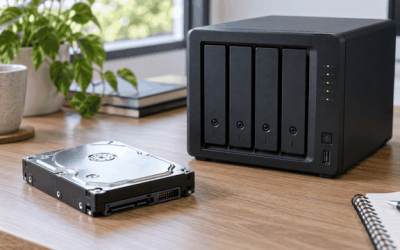
For a busy household, this convenience is priceless. You do not have to spend your evening searching for lost passwords or waiting for hundreds of gigabytes of game data to redownload over a strained home Wi-Fi network. If you use a physical hardware solution like the SABRENT USB 3.0 Dual Bay Hard Drive Docking Station & Cloner (EC-HD2B) (priced at $44.49), you can complete the process offline without even booting into your operating system. This compact dock, measuring approximately 5.9 x 4.3 x 2.4 inches and drawing minimal wattage, allows you to duplicate your drive at your kitchen table while you cook dinner.
Cloning is also highly beneficial if you have older games with complex, local mod configurations. Reinstalling dozens of mods for titles like Skyrim or Fallout can take days of meticulous folder-pathing. Cloning preserves these fragile directory structures perfectly, ensuring your custom gaming setup works immediately on the new drive.
Where Clean Install Ssd Gaming Performance Wins
A clean install is where you format your new drive, install a fresh copy of the operating system from a bootable USB drive, and manually download only the games and software you currently use.
When it comes to raw gaming performance, this method is superior. Over years of home use, Windows installations accumulate a massive amount of digital debris. Old software uninstalls leave behind orphaned registry keys, background services continue to run for apps you no longer own, and system driver conflicts can cause microscopic micro-stuttering during gameplay.
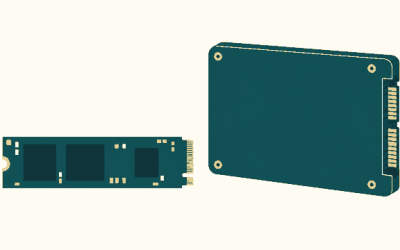
By performing a clean install on a premium drive like the BIWIN Black Opal NV7400 1TB SSD Gen4x4 (priced at $184.99), you ensure that its blisteringly fast read speeds of up to 7450MB/s are fully utilized. There are no corrupted system files or legacy background tasks to throttle your PCIe 4.0 bandwidth. Your game load times are as fast as the hardware physically allows, and your system’s overall latency drops.
Even on a more budget-friendly gaming drive like the fanxiang 500GB NVMe SSD PCIe Gen 4 Gaming SSD S880E (priced at $97.97), a clean install ensures that features like DirectStorage—which allows the graphics card to communicate directly with the SSD—run without being blocked by outdated motherboard drivers or third-party antivirus utilities that were carried over from a clone.
For those who love DIY home projects, such as 3D printing custom desktop cable organizers or brackets using a 3D printer, upgrading your drive is just another weekend task. If you are modifying your printer’s setup with a TOPFROP ECAS04 Bowden Extruder Connector Embedded Collet Clips PTFE Head Pneumatic Head for Extruder (priced at $7.98) to print custom under-desk SSD mounts, you appreciate the value of starting with clean, precise foundations. A clean install is the software equivalent of a perfectly calibrated 3D print: it removes the variables that cause failures down the line.
Cost Over 5 Years
When calculating the true cost of your storage upgrade over a five-year horizon, you must look beyond the initial purchase price of the SSD. You must factor in your time, energy consumption, and productivity.
Cloning has a low upfront time cost (usually 1 to 2 hours of passive waiting), but over five years, it can carry hidden maintenance costs. If your cloned OS harbors deep-seated registry errors, you may spend dozens of hours troubleshooting random blue screens, game crashes, or slow boot times. If these issues force you to hire a local computer technician, you could easily face repair bills ranging from $80 to $150 per hour. Additionally, background bloatware carried over via a clone can cause your CPU to run slightly hotter and draw an extra 5 to 15 watts of power at idle, which adds up on your home electricity bill over half a decade.
A clean install requires a larger upfront investment of your personal time (typically 4 to 6 hours to install the OS, drivers, updates, and your favorite games). However, over the next five years, this method yields near-zero maintenance costs. Your system runs at peak efficiency, your hardware runs cooler due to fewer unnecessary background processes, and you maximize the physical lifespan of your SSD by avoiding unnecessary disk-write operations from old, hidden malware or telemetry software.
Which One for Your Home
Small Apartment
In a compact living space, minimalism is key to maintaining a peaceful home. A clean install aligns perfectly with the small-apartment lifestyle. It prevents your drive from filling up with digital clutter, reducing the need for bulky external backup drives or secondary storage units cluttering your desk. By starting fresh, you keep your digital footprint light and agile, matching the clean aesthetic of your living space.
Family with Kids/Pets
In a bustling family home with children and pets, time is your most precious resource. You cannot easily afford half a day of system downtime while you manually rebuild a PC’s software library. If your kids use the family computer for homework and weekend gaming, cloning is the smartest choice. Using a hardware cloner allows you to swap the drive quickly over the weekend, keeping the kids’ homework files, school portal logins, and local game saves completely intact without a single tear shed over lost data.
Rental Home
If you live in a rental, your home setup needs to be highly portable and easily reversible. Cloning allows you to quickly upgrade the storage of a desktop or laptop without changing your workflow. If you need to move or return a company-issued device, you can easily swap your original, unmodified drive back into the machine and take your cloned upgrade drive with you to your next home.
Long-Term Home
If you are designing a permanent home office or a dedicated gaming room to enjoy in 2026 and beyond, you are likely building a setup designed for longevity. A clean install is the only logical choice here. It ensures that your high-end gaming hardware operates in perfect harmony with your permanent workspace. It gives you a rock-solid, stable foundation that will remain fast, reliable, and easy to manage for years to come.
FAQ
Does cloning a drive reduce the physical lifespan of my new SSD?
No, cloning does not significantly harm your new SSD. While cloning does write a large volume of data to the drive all at once, modern SSDs are designed to handle hundreds of Terabytes Written (TBW) over their lifetimes. The single write cycle required to clone a 500GB or 1TB drive is a drop in the bucket compared to the drive’s overall durability.
Will a clean install actually increase my in-game frames per second (FPS)?
A clean install rarely increases your maximum potential FPS directly, as gaming frame rates are primarily determined by your graphics card and CPU. However, a clean install significantly improves “1% low” frame rates by eliminating background system stutters. This results in much smoother gameplay with fewer sudden, annoying frame drops during intense action.
Can I use a docking station to clone a PS5 SSD?
No. The PlayStation 5 uses a proprietary file system and requires you to format any new M.2 NVMe SSD directly inside the console’s expansion slot before use. You cannot clone a PS5 drive using a PC docking station; you must install the physical drive and download your games fresh from your PlayStation Library.
Do I need to buy a new Windows license if I do a clean install on a new SSD?
In most cases, no. Modern Windows licenses are tied to your motherboard’s unique hardware ID or your Microsoft account. When you perform a clean install on a new SSD within the same computer, Windows will automatically activate online as soon as you connect to the internet.