The best camera phone for most people in 2026 is the Google Pixel 10 Pro for point-and-shoot consistency, with the iPhone 17 Pro as the pick for video and the Samsung Galaxy S25 Ultra for zoom flexibility. The right answer depends on what you shoot: telephoto reach, low-light stills and video stabilization each favor a different phone. (The query “camera republic phones” doesn’t point to a phone brand, so this guide treats it as a search for the best camera phones and ranks them by shooting need.)
As an Amazon Associate we earn from qualifying purchases at no extra cost to you.



Our Top Picks
Top 3 picks at a glance
Quick comparison of the best camera phones
| Pick | Best for | Key camera specs (per manufacturer) | Price tier |
|---|---|---|---|
| Google Pixel 10 Pro / Pro XL | Best overall for stills | 50 MP main, 48 MP ultrawide, 48 MP 5x telephoto; Pro Res Zoom up to 100x | Premium |
| iPhone 17 Pro / Pro Max | Best for video | Three 48 MP rear cameras; 4x optical-quality telephoto; ProRes and Log video | Premium |
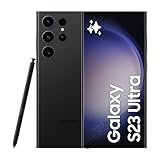
| Samsung Galaxy S25 Ultra | Best for zoom range | 200 MP main, 50 MP 5x telephoto, 10 MP 3x telephoto, 50 MP ultrawide | Premium |
| Xiaomi 15 Ultra | Best for enthusiasts (large sensor) | 1-inch-type 50 MP main, 200 MP periscope telephoto, 50 MP 3x telephoto, 50 MP ultrawide | Premium, limited regional availability |
| Google Pixel 10 | Best upper mid-range value | 50 MP main, 12 MP ultrawide, 5x telephoto | Upper mid-range |
| Google Pixel 9a | Best budget-minded pick | 48 MP main, 13 MP ultrawide, no telephoto | Mid-range |
Best overall: Google Pixel 10 Pro
The Pixel 10 Pro suits people who want good photos with no settings to adjust. Google’s processing is strongest in high-contrast scenes, skin tones and night shots. Its 5x telephoto is a native lens, so the zoom range between 5x and 10x is far better than a pure crop.
Trade-off: video is good but less controllable than on the iPhone. Pixel video is also less consistent in color between lenses when you shoot manually.
Best for video: iPhone 17 Pro
Apple’s Pro models remain the reference for phone video. They offer consistent color across all three lenses, strong stabilization, and ProRes or Log recording for editing. All three rear cameras are 48 MP, so switching lenses mid-clip looks consistent. That matters more for video than a headline megapixel count.
Trade-off: ProRes files are huge, so budget storage for them. Stills processing is also more “natural” and less punchy than a Pixel’s.
Best for zoom flexibility: Samsung Galaxy S25 Ultra
Samsung is the only one here with both a 3x and a 5x telephoto, so you get good optical-quality framing at portrait distance and at longer range. The 200 MP main sensor also lets you crop deeper into the main camera without a big quality drop (see the math below).
Trade-off: Samsung’s default processing can be heavier on sharpening and saturation. Zoom shots in dim light show more smoothing than the daylight samples suggest.
Best for enthusiasts: Xiaomi 15 Ultra
Its 1-inch-type main sensor and dual telephoto setup come closest to a compact camera. It suits people who shoot raw and edit, and who care about natural background blur. If you can import one or buy it where it is sold officially, it is the most camera-like option here.
Trade-off: software update support, regional warranty and app compatibility vary by market. Check these before buying.
Best value and budget picks: Pixel 10 and Pixel 9a
The Pixel 10 gives you the same core main-camera processing as the Pro line, plus a telephoto, for noticeably less. The Pixel 9a drops the telephoto but keeps the strong main camera and processing. For casual shooting, family photos and travel, it is the cheapest route to a flagship-quality main shot.
Trade-off: the 9a has no optical zoom at all, and the Pixel 10’s ultrawide and telephoto sensors are smaller than those on the Pro.
How to choose: three calculations that matter more than megapixels
1. Crop zoom: how many usable megapixels remain
Digital crop zoom divides the sensor’s pixel count by the zoom factor squared. A 2x crop leaves one quarter of the pixels.
- 200 MP main at 2x crop: 200 ÷ 4 = about 50 MP of data.
- 50 MP main at 2x crop: 50 ÷ 4 = about 12.5 MP.
- 50 MP main at 5x crop: 50 ÷ 25 = about 2 MP, which is why a real 5x telephoto matters.
Rule of thumb: if you often shoot between 2x and 3x (portraits, street), a high-resolution main sensor or a 3x lens helps. If you regularly shoot at 5x and beyond (concerts, wildlife, sports), buy a phone with a native 5x telephoto.
2. Aperture and light: why zoom lenses struggle at night
Light gathered scales with the inverse square of the f-number. Take a typical main lens at f/1.7 against a telephoto at f/2.8: (2.8 ÷ 1.7)² ≈ 2.7. The telephoto collects about 2.7 times less light, or roughly 1.4 stops. To get the same exposure, a 1/60 s shutter on the main camera becomes about 1/22 s on the telephoto. That is slow enough to blur a moving subject, so phones fall back to heavier processing or crop from the main sensor in dim scenes.
3. Sensor size: what a large sensor actually buys
A 1-inch-type sensor is about 13.2 × 8.8 mm, roughly 116 mm². Many flagship main sensors measure around 70–80 mm². The larger sensor has about 1.5 times the area, a gain of around 0.6 stop. That helps with shallow depth of field and with noise at base processing, but good software narrows the gap in everyday shots. A big sensor matters most if you edit raw files or shoot indoors.
Decision matrix: match your situation to a phone
| If you mostly… | Prioritize | Choose |
|---|---|---|
| Take family and travel photos with no editing | Reliable auto processing | Pixel 10 Pro, Pixel 10 or Pixel 9a |
| Record video, vlogs or social clips | Stabilization, consistent color across lenses | iPhone 17 Pro |
| Shoot distant subjects (sport, wildlife, stage) | Native 5x telephoto and above | Galaxy S25 Ultra or Pixel 10 Pro |
| Shoot raw and edit later | Large sensor, raw output, flexible lenses | Xiaomi 15 Ultra or Galaxy S25 Ultra |
| Want a good main camera on a tighter budget | Main sensor and software over extra lenses | Pixel 9a |
| Already use a Mac, iPad or Apple Watch | Ecosystem and editing workflow | iPhone 17 Pro or base iPhone 17 |
Settings that improve any camera phone
- Use the real telephoto lens button, not pinch-zoom. Jumping straight to 5x uses the optical lens, whereas pinching to 4x may crop from the main sensor.
- Tap to set exposure, then lower it slightly in bright scenes. Slightly under-exposing keeps highlights like skies and windows intact.
- Turn on Night mode manually for static scenes only. Hold still for the full capture, because moving subjects still blur.
- Record at 4K 30 fps for general use, or 4K 60 fps for motion. Higher frame rates demand more light and storage.
- Clean the lens with a microfiber cloth. Fingerprint haze looks like soft focus and a lack of contrast, especially around lights at night.
What to check before buying
- Software support length: major makers now promise multiple years of updates, so a phone with only a couple of years left will lose camera improvements sooner.
- Storage: 4K video at 60 fps and raw photos fill 128 GB quickly. Consider 256 GB or more if you shoot video.
- Regional version: camera tuning, features and 5G bands can differ by market, particularly on imports.
- Real review samples: compare published low-light and zoom samples from independent reviewers rather than manufacturer marketing images.
Frequently Asked Questions
Is a higher megapixel count a better camera?
Not by itself. Most phones combine pixels into larger effective pixels, so a 200 MP sensor typically outputs 12 MP or 50 MP photos. Megapixels mostly help with cropping. Sensor size, lens quality and processing matter more for final image quality.
Which phone is best for low-light photos?
Pixel Pro models and the Galaxy S25 Ultra are generally strong in night photography, and the Xiaomi 15 Ultra benefits from its larger sensor. The main camera is always best at night. Telephoto and ultrawide lenses gather less light and look noticeably weaker in dim scenes.
Is the iPhone or the Pixel better for photos?
The Pixel is often preferred for punchy, ready-to-share stills, particularly in high-contrast scenes. The iPhone tends to produce more natural color and is the stronger option for video. If you shoot mostly photos, lean Pixel. If you shoot more video, lean iPhone.
Do I need a flagship for a good camera?
No. A mid-range phone like the Pixel 9a delivers a strong main camera for daily shots. You pay extra mainly for telephoto lenses, a more capable ultrawide, better video tools and a larger main sensor. If you don’t use those, a mid-range phone is the better value.
Is digital zoom ever worth using?
Yes, up to roughly 2x on a high-resolution main sensor, where the crop still holds plenty of detail. Beyond that, results depend heavily on AI upscaling, such as the Pixel’s Pro Res Zoom. Those tools can look impressive but may invent texture, so don’t rely on them for documents or evidence-style photos.
How long will a phone’s camera stay good?
The hardware stays the same, but software updates can improve processing over time. A phone with a long update promise will keep its camera app, security and image processing current for longer. That is a reason to favor models from makers with extended support windows.
Related guides
More from Amazon
Programs that pair well with the guide above. Offers and eligibility are set by Amazon and may change.
A free business account with business pricing and bulk-buying tools for work, shop or home office.
Create a business accountFree shipping on eligible items, Prime Video and more. Eligible new members can start with a free trial.
Start a Prime free trialAudiobooks and podcasts to listen to on the go. Eligible new members can start with a free trial.
Try Audible freeAd-free music streaming. Eligible new subscribers can start with a free trial.
Try Music Unlimited freeAs an Amazon Associate we earn from qualifying purchases.


