The best camera phone for most people in 2026 is the iPhone 17 Pro or Pro Max if video matters, and the Google Pixel 10 Pro if you mostly shoot photos and want reliable results with no editing. The Samsung Galaxy S25 Ultra is the pick for flexible zoom, and the Xiaomi 15 Ultra suits enthusiasts who want a 1-inch-type sensor and can handle import availability. Below is a head-to-head table, the trade-off for each pick, and a short calculation that explains why zoom specs on a box often mislead.
As an Amazon Associate we earn from qualifying purchases at no extra cost to you.

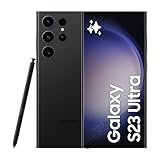


Our Top Picks
Top 3 picks at a glance
Quick comparison of the best camera phones
| Pick | Best for | Rear cameras (per manufacturer specs) | Typical price range |
|---|---|---|---|
| iPhone 17 Pro / Pro Max | Video, creators, consistent color | 48MP main, 48MP ultrawide, 48MP 4x telephoto | Usually $1,000–$1,400 |
| Google Pixel 10 Pro / Pro XL | Point-and-shoot stills, low light, AI editing | 50MP main, 48MP ultrawide, 48MP 5x telephoto | Usually $950–$1,300 |
| Samsung Galaxy S25 Ultra | Zoom range, versatility | 200MP main, 50MP ultrawide, 10MP 3x, 50MP 5x | Usually $850–$1,300 (often discounted) |
| Xiaomi 15 Ultra | Enthusiast stills, large sensor | 50MP 1-inch-type main, 50MP ultrawide, 50MP 3x, 200MP periscope | Usually $1,000–$1,400 (import) |
| iPhone 17 | Best value for photo and video | 48MP main, 48MP ultrawide | Usually $700–$900 |
| Google Pixel 9a | Budget | 48MP main, 13MP ultrawide | Usually $350–$500 |
Models change quickly, and newer successors such as a Galaxy S26 series may be on shelves when you read this. Older flagships usually drop in price once a replacement launches, so check current pricing before you commit.
Best overall for video: iPhone 17 Pro and Pro Max
Apple’s Pro models use three 48MP rear cameras. That includes a 4x telephoto, which gives a 100mm-equivalent view that suits portraits and distant subjects. The strengths are steady exposure while panning, natural skin tones, and a mature video toolset (Dolby Vision HDR, Apple Log and ProRes recording per Apple’s spec sheet). If you edit clips on a PC or Mac, files drop into most editing software with few surprises.
Trade-off: It is the most expensive pick here, and ProRes files are huge. Apple’s own guidance puts a minute of 4K ProRes at several hundred megabytes up to over a gigabyte depending on frame rate, so buy more than the base storage if you plan to shoot it. Android users also gain little from the ecosystem lock-in.
Best for photos with minimal effort: Google Pixel 10 Pro
Pixel phones lean on computational photography: multi-frame HDR, strong night processing and AI tools such as Magic Editor and Pro Res Zoom. The Pro pairs a 50MP main camera with a 48MP ultrawide and a 48MP 5x telephoto. It tends to return a usable shot on the first press, even in tricky mixed light.
Trade-off: Video is good but is usually rated a step behind the iPhone for stabilization and manual control. Zoom beyond 10x relies on AI reconstruction, which can invent detail that was never there. That is fine for social posts but not for documentary accuracy.
Best for zoom flexibility: Samsung Galaxy S25 Ultra
The Galaxy S25 Ultra has four rear cameras: a 200MP main, a 50MP ultrawide, a 10MP 3x telephoto and a 50MP 5x periscope. The two telephotos mean fewer “digital” zoom steps between 1x and 10x. Samsung’s color is punchier than Apple’s or Google’s, and the Pro mode and Expert RAW app give serious control.
Trade-off: The 10MP 3x lens is low resolution, so mid-range zoom depends on processing. Default colors can look saturated if you prefer a neutral look. The 200MP mode is rarely worth using (more below).
Best for enthusiasts: Xiaomi 15 Ultra
This phone uses a 1-inch-type main sensor with Leica tuning. It also carries a 3x camera and a 200MP periscope at roughly 4.3x, per Xiaomi’s specifications. A larger sensor gives more natural background blur and cleaner shadows without heavy processing.
Trade-off: It is not sold through most US carriers, so expect import pricing, a limited warranty and possible band or software gaps. Check support in your country before buying.
Best value: iPhone 17
The standard iPhone 17 keeps the 48MP main and 48MP ultrawide cameras, so you get most of the Pro’s day-to-day image quality for much less. It suits anyone who shoots friends, pets and travel clips and does not need a telephoto.
Trade-off: There is no true optical telephoto. Zoom is a crop from the main sensor, which holds up at 2x but softens beyond that.
Best budget: Google Pixel 9a
The Pixel 9a pairs a 48MP main camera with a 13MP ultrawide and inherits Google’s processing. It is the easiest recommendation if you want good photos for around $400.
Trade-off: No telephoto, a weaker ultrawide, and slower processing between shots than the flagships.
How to choose: the numbers behind the specs
1. Megapixels matter less than sensor size
Light gathering scales with sensor area. A 1-inch-type sensor measures roughly 13.2 × 8.8 mm, about 116 mm². A common 1/1.3-inch-type flagship sensor is about 9.8 × 7.4 mm, roughly 72 mm². That is a ratio of about 1.6x, or around 0.7 stops of extra light. The difference shows most in dim restaurants and indoor events. In daylight, software and lens quality matter more than the sensor.
2. Worked example: real pixels at 10x zoom
Effective resolution at a zoom level equals sensor megapixels divided by (zoom ÷ lens magnification) squared. Using the published sensor resolutions:
| Lens used for 10x | Calculation | Real pixels in frame |
|---|---|---|
| 50MP 1x main (cropped) | 50 ÷ 10² | 0.5MP |
| 200MP 1x main (cropped) | 200 ÷ 10² | 2MP |
| 10MP 3x telephoto (cropped) | 10 ÷ (10/3)² | 0.9MP |
| 48MP 4x telephoto (cropped) | 48 ÷ (10/4)² | 7.7MP |
| 50MP 5x telephoto (cropped) | 50 ÷ (10/5)² | 12.5MP |
A 5x or 4x high-resolution telephoto is far better at 10x than a big main sensor, and the 10MP 3x lens is the weakest link. Phones also combine multiple frames and AI upscaling, so real results vary. However, this explains why a 48MP or 50MP telephoto is worth paying for.
3. Decision matrix: your situation to a choice
| If you mostly… | Choose | Why |
|---|---|---|
| Shoot video, stream or make YouTube clips | iPhone 17 Pro | Stabilization, Log and ProRes options |
| Take family and travel photos with no editing | Pixel 10 Pro | Strong auto HDR and night processing |
| Need 3x–10x zoom at concerts, sports or wildlife | Galaxy S25 Ultra or 5x-class telephoto phone | Dual telephoto coverage |
| Want shallow depth and manual control | Xiaomi 15 Ultra | Largest main sensor |
| Want good photos under $800 | iPhone 17 | Same main sensor class as Pro models |
| Have about $400 | Pixel 9a | Flagship-style processing at low cost |
4. Storage and software support
A 48MP HEIF or JPEG photo usually takes 3–8MB. A minute of 4K60 video typically takes around 400–600MB at standard settings. At 100 photos and 20 minutes of video per month, that is under 1GB for photos and roughly 10GB for video. Over two years you would need around 250GB, so a 256GB model is the practical minimum for heavy shooters. Also check the update policy: Google and Samsung promise up to seven years of OS and security updates on current flagships per their announcements, and camera improvements often arrive in updates.
5. Use for gaming gear and desk content
If you photograph builds, keyboards or desk setups, a 2x–3x lens is more useful than ultrawide. It avoids the edge distortion that makes cases and monitors look warped. A phone clamp and a window-lit shot will help more than a pricier phone.
Frequently Asked Questions
Which phone has the best camera overall in 2026?
There is no single winner. The iPhone 17 Pro leads on video, the Pixel 10 Pro on easy stills, and the Galaxy S25 Ultra on zoom variety. Reviewers’ rankings shift with each software update, so choose by what you shoot most.
Do more megapixels mean a better camera phone?
No. Most phones bin 48MP or 200MP sensors down to 12MP–24MP photos for better low-light results. Sensor size, lens quality and processing affect image quality more than the headline number.
Is a telephoto lens worth paying for?
Yes, if you regularly shoot portraits, events or distant subjects. A true 4x or 5x lens keeps far more detail at 10x than cropping the main sensor, as the calculation above shows. If you mostly shoot nearby subjects, a standard model like the iPhone 17 or Pixel 9a is enough.
Are cheaper phones good enough for social media and YouTube?
Often yes. Social platforms compress images and video heavily, so differences between a $400 phone and a $1,200 flagship shrink on a small screen. The gap shows up in low light, zoom and video stabilization.
Should I buy last year’s flagship instead of the newest model?
Often it is a smart move. Camera hardware changes slowly between generations, and the previous flagship usually drops in price when the new one launches. Check that it still gets several years of updates and that the battery health is good if buying refurbished.
How much storage do I need for photos and 4K video?
For light use, 128GB is workable if you back up to the cloud. If you shoot 4K video weekly or use RAW and ProRes, aim for 256GB or 512GB. High-bitrate formats grow quickly, as ProRes can take over a gigabyte per minute.
Related guides
More from Amazon
Programs that pair well with the guide above. Offers and eligibility are set by Amazon and may change.
A free business account with business pricing and bulk-buying tools for work, shop or home office.
Create a business accountFree shipping on eligible items, Prime Video and more. Eligible new members can start with a free trial.
Start a Prime free trialAudiobooks and podcasts to listen to on the go. Eligible new members can start with a free trial.
Try Audible freeAd-free music streaming. Eligible new subscribers can start with a free trial.
Try Music Unlimited freeAs an Amazon Associate we earn from qualifying purchases.


