Look closely at a DDR5 memory module and you will spot a small chip that DDR4 sticks never had: the PMIC, or power management integrated circuit. This little component is one of the biggest architectural changes in DDR5, and it affects overclocking, stability, and even which kits enthusiasts chase. Here is what the PMIC does and why it deserves your attention when buying or tuning memory.
Power Moves Onto the Module
In DDR4, the motherboard’s voltage regulation supplied power to the memory. DDR5 moves that job onto the module itself via the PMIC, which takes a single input voltage and generates the precise rails the memory chips need. This on-module regulation delivers cleaner, more stable power close to where it is used, helping DDR5 run at its much higher speeds reliably.
Why Enthusiasts Care About PMIC Behavior
The PMIC sets limits on how much voltage the module will accept, and different PMIC variants behave differently. Standard consumer PMICs often lock voltage adjustment for safety, while unlocked variants found on enthusiast kits allow higher voltages for overclocking. This is why serious memory overclockers pay attention to which PMIC a kit uses, since it can be the ceiling on how far they can push.
| PMIC aspect | Standard kits | Enthusiast kits |
|---|---|---|
| Voltage control | Often locked | Frequently unlocked |
| Max voltage headroom | Limited | Higher for overclocking |
| Typical VDD/VDDQ | ~1.1-1.35 V | 1.4 V and beyond |
| Target buyer | Mainstream | Overclockers, tuners |
Stability, Heat, and Everyday Impact
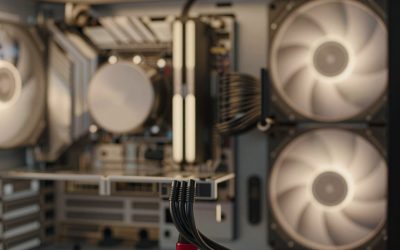
For most users the PMIC just works invisibly, delivering stable power so XMP or EXPO profiles run correctly. But it does generate a little heat, which is one reason DDR5 modules often have heat spreaders. If you overclock and raise voltage, both the memory chips and the PMIC get warmer, so airflow over the modules matters more than it did on DDR4. Poor cooling can cause instability that looks like a memory fault but is really thermal.
What This Means When Buying
You do not need to obsess over PMICs for a normal gaming build; any reputable kit’s PMIC handles rated speeds fine. If you plan aggressive manual overclocking, research which kits use overclock-friendly PMIC variants, because that choice can matter more than the sticker speed. For everyone else, focus on capacity, rated speed, and timings, and trust the PMIC to do its job.
How the PMIC Interacts With Motherboard Voltage
The PMIC does not work alone; it cooperates with settings your motherboard exposes in the BIOS. On DDR5, controls like VDD and VDDQ govern the voltages the PMIC delivers to the memory chips, and whether you can raise them depends on both the PMIC variant and the board’s willingness to pass those requests through. This is why the same overclock-friendly kit can behave differently on two motherboards: one board unlocks the voltage controls the PMIC supports, another restricts them. For a stock or XMP/EXPO setup, none of this needs your attention, since the profile stays within safe, PMIC-approved limits. For manual tuning, understanding that the PMIC and the board share responsibility for voltage explains a lot of otherwise confusing overclocking results, and it underscores why enthusiasts research both the memory kit and the motherboard before pushing serious speeds.
FAQ
Does the PMIC affect whether my XMP or EXPO profile works?
Indirectly, yes. The PMIC supplies the voltages the profile requests, so it must support those levels. Rated profiles stay within what the kit’s PMIC allows, which is why enabling XMP or EXPO normally works without issue. Only manual overclocking beyond the profile runs into PMIC voltage limits.
Can the PMIC fail or overheat?
It can get warm, especially during high-voltage overclocking, which is part of why DDR5 modules use heat spreaders and benefit from case airflow. Under rated operation it runs comfortably. If you push voltage hard without cooling, thermal issues at the PMIC or memory chips can cause instability, so keep air moving over the modules.
Bottom Line
The PMIC moves power regulation onto the DDR5 module itself, enabling the cleaner, more stable voltages that high speeds demand. For everyday builds it works invisibly and needs no thought. For overclockers, the PMIC variant sets the voltage ceiling and can define how far a kit will go, making it a detail worth researching before chasing extreme memory speeds.