Tape storage sounds like a relic, yet it quietly remains the backbone of data centers and long-term archives worldwide. That leads curious home users, especially those with terabytes of photos, videos, and game footage, to wonder whether a tape drive makes sense for the household. The answer is usually no, but the reasons why are worth understanding, and there are rare cases where it fits.
As an Amazon Associate we earn from qualifying purchases at no extra cost to you.
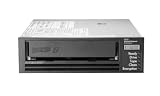
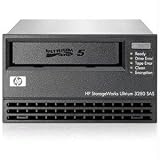
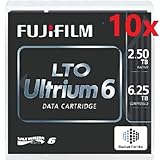

Our Top Picks
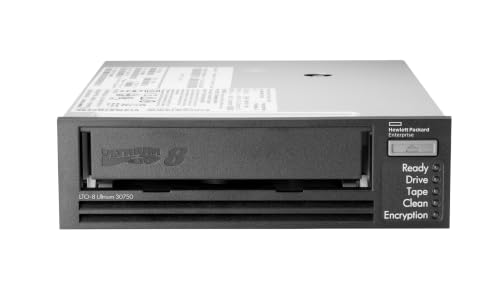


Top 3 picks at a glance
Why tape survives in the enterprise
Modern tape formats like LTO store enormous amounts of data per cartridge, cost very little per terabyte at scale, sip almost no power when idle on a shelf, and last for decades in proper conditions. Crucially, a tape sitting in a drawer is completely offline, which makes it immune to ransomware. For organizations archiving petabytes for years, those traits are unbeatable.
The economics that do not translate home
| Factor | Tape (LTO) | External HDD | Cloud |
|---|---|---|---|
| Cost per TB (media) | Very low at scale | Low | Ongoing subscription |
| Drive/hardware cost | High upfront | None extra | None |
| Access speed | Slow, sequential | Fast, random | Depends on connection |
| Ransomware immunity | Excellent (offline) | Good if unplugged | Varies |
| Ease of use | Complex | Simple | Simple |
The catch for home use
The media is cheap per terabyte, but the tape drive itself is expensive, often costing as much as a small NAS full of disks. The savings only appear once you are storing so much data that the low media cost outweighs that big upfront investment, which for a home user means many, many terabytes. Below that threshold, external hard drives or cloud storage are cheaper, faster, and far simpler.
Tape is also slow and sequential
Tape is designed for writing and reading large streams in order, not for grabbing a single file quickly. Restoring one photo can mean spooling through a cartridge. For the way home users actually access data, that is a poor fit compared with a hard drive where any file is available instantly.
When it might make sense
A home user with a genuinely large archive, think a videographer sitting on tens of terabytes of irreplaceable footage who wants a cheap, offline, decades-long cold copy, could justify a used LTO setup. Even then, most people are better served by a rotation of external hard drives kept offsite, which gives offline protection without the complexity.
Better offline options for most homes
The appeal of tape for home users is usually its offline, ransomware-proof nature rather than tape itself, and you can get most of that benefit far more simply. A pair of external hard drives rotated on a schedule, with one kept disconnected or stored at another location, delivers offline protection and a physical offsite copy without any specialized hardware. When a drive is unplugged and in a drawer, malware cannot reach it, which is the same core advantage tape provides. Pair that rotation with a cloud backup for your most important files, and you have a robust, low-effort system that covers drive failure, deletion, ransomware, and disaster. For the overwhelming majority of homes, that combination beats tape on cost, speed, and simplicity.
FAQ
Is tape more reliable than a hard drive for long-term storage?
For multi-decade cold archives stored in good conditions, tape has excellent longevity and, being offline, resists ransomware well. But for typical home retention of a few years, a couple of external drives with a copy offsite are far simpler and reliable enough.
Can I just buy a cheap tape drive for home backups?
Affordable tape drives are rare, and older, cheaper formats hold little data. A capable modern drive is a significant investment that only pays off at large scale, so for most homes an external HDD or cloud plan is the practical choice.
Bottom line
Tape backup earns its place in enterprises archiving huge volumes for years, thanks to low media cost, long life, and offline ransomware immunity. For home users, the expensive drive, slow sequential access, and added complexity almost always outweigh those benefits. Unless you have tens of terabytes of irreplaceable data and want a cheap offline cold copy, stick with external hard drives, ideally rotated offsite, and cloud backup.
Related guides
More from Amazon
Programs that pair well with the guide above. Offers and eligibility are set by Amazon and may change.
A free business account with business pricing and bulk-buying tools for work, shop or home office.
Create a business accountFree shipping on eligible items, Prime Video and more. Eligible new members can start with a free trial.
Start a Prime free trialAudiobooks and podcasts to listen to on the go. Eligible new members can start with a free trial.
Try Audible freeAd-free music streaming. Eligible new subscribers can start with a free trial.
Try Music Unlimited freeAs an Amazon Associate we earn from qualifying purchases.