The best desk for casual gaming is a sturdy 47–55 inch wide, 24–28 inch deep desk with a stable frame, a surface that fits your monitor and peripherals, and room for cable management. Most casual players don’t need an RGB “gaming desk.” A plain desk at the right size and height is usually the better buy, and an electric sit-stand model is worth it if you also work at the same desk.
As an Amazon Associate we earn from qualifying purchases at no extra cost to you.

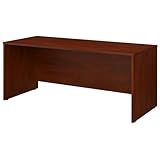


Our Top Picks
Top 3 picks at a glance
Quick comparison: desk types for casual gamers
| Pick | Best for | Key specs | Price range |
|---|---|---|---|
| Fixed-height steel-frame desk | Best budget | 47–55 in wide, 24 in deep, 29–30 in high, 100–150 lb load | Budget |
| Electric sit-stand desk (e.g. Flexispot E7 or Uplift V2 class) | Best overall | 48–60 in wide, 24–30 in deep, dual motor, roughly 25–50 in height range | Mid-range to premium |
| Compact 39–43 in desk | Small rooms, laptop or console play | 39–43 in wide, 20–24 in deep, often with a shelf | Budget |
| L-shaped corner desk (e.g. Eureka Ergonomic class) | Dual monitors, PC plus console | Roughly 55–63 in per arm, reversible corner | Budget to mid-range |
| Purpose-built gaming desk (e.g. Secretlab Magnus Pro or Arozzi Arena class) | Large mouse surface, built-in cable management | Roughly 47–70 in wide, 26–31 in deep, steel or wood-composite top | Mid-range to premium |
Exact dimensions and load ratings vary by model and version. Check the manufacturer’s spec sheet before you buy.
Best overall: an electric sit-stand desk
A dual-motor sit-stand desk in the 55×28 inch class suits casual gamers who also work or study at the desk. Models like the Flexispot E7 and Uplift V2 are common examples of this class. Their load ratings are typically published in the 275–355 lb range, far more than a PC setup needs. You can sit for a long session and stand for a lighter one, and some people find standing helps during slow games or streams.
Main trade-off: cost, and a frame that adds roughly 50–100 lb of weight. Check that the top doesn’t wobble at standing height. A 1 inch thick top and a crossbar usually help. If you only game on weekends, this is more desk than you need.
Best budget: a fixed steel-frame desk
A fixed desk 47–55 inches wide and 24 inches deep with a steel frame covers most casual setups for the least money. Look for adjustable feet, a top at least 0.7 inch thick, and a load rating of at least 100 lb. Flat-pack desks from major furniture retailers fit this class.
Main trade-off: the height is fixed, usually 29–30 inches. If you’re under about 5’4″ you may need a footrest, and taller players may find the keyboard too low. Cheap particleboard tops can sag under a heavy monitor arm clamp, so use a grommet or a reinforced clamp plate.
Best for small rooms: a compact desk
If your space is limited, a 39–43 inch desk fits one monitor, a keyboard and a mouse, and is also enough for a laptop or a handheld dock. Wall-mounted fold-down desks work in studios and shared rooms. A desk this small leaves no room for speakers or a console beside the monitor.
Main trade-off: a 27 inch monitor is about 23.5 inches wide, which leaves little side room. Use a monitor arm or a shelf riser to reclaim space, and add a headset instead of desktop speakers.
Best for dual monitors or PC plus console: an L-shaped desk
An L-shaped corner desk gives you a main work surface and a side wing for a second monitor, a laptop, a console or tabletop gaming. It’s often the cheapest way to get 15+ square feet of surface. Most are reversible, so the wing can go on either side.
Main trade-off: it needs a wall corner and about 5 feet of clearance on each side. Sitting in the corner can also leave you reaching awkwardly if you don’t center the main monitor on the short leg.
Best for desk-first players: a purpose-built gaming desk
Desks such as the Secretlab Magnus Pro, which uses a metal frame with magnetic cable management accessories, and the Arozzi Arena, which has a very large surface and a cutout for cables, make sense if you want a mouse-pad-sized work area and clean wiring. Per the manufacturers’ spec sheets, these tend to come with large tops that are 26–31 inches deep.
Main trade-off: you pay a premium for features a plain desk plus a $0 cable tray can’t match only in looks. Many casual players get the same result from a fixed desk with an under-desk basket and a large mouse pad.
How to choose: the numbers that matter
Worked example: depth and viewing distance
Take a 27 inch 16:9 monitor, which is about 23.5 inches wide and 13.2 inches tall. A comfortable viewing distance is roughly 25–32 inches, about an arm’s length plus a few inches. Here’s how a 24 inch deep desk works out:
- The monitor stand’s front edge sits about 6–8 inches from the back of the desk, if you push it back.
- Your keyboard sits 2–3 inches from the front edge, with a TKL board around 5.5 inches deep.
- That leaves roughly 10–12 inches of clear space, enough for a wrist rest, but your eyes will be about 24–28 inches from the screen.
So 24 inches works for a 24 or 27 inch monitor, but if you want a 32 inch monitor or sit with your arms extended, pick 27–30 inches deep. At 20 inches, even a 24 inch monitor will feel close.
Worked example: width
A TKL keyboard is about 14 inches wide, a mouse needs about 10–12 inches of lateral space, and you want about 4 inches between them. That gives you at least 28 inches in front of the monitor. Add a 27 inch screen (23.5 inches) and you can fit on a 40 inch desk, but with no room for speakers. For two 27 inch monitors side by side (about 47 inches plus bezel gap), choose 55–63 inches. A single monitor plus speakers is comfortable at 47–55 inches.
Worked example: weight load
Add up your gear: a mid-tower PC (20–30 lb if on the desk), a 27 inch monitor (about 10–15 lb), a monitor arm (5–8 lb), speakers (8–12 lb) and peripherals (3–5 lb). That’s roughly 50–70 lb. A rating of 100 lb is enough for a fixed desk. For a sit-stand desk, choose at least 150 lb of rated capacity so the motors aren’t straining.
Height
A standard fixed desk is 29–30 inches. Your elbows should be about 90 degrees when your hands are on the keyboard. If you’re shorter than about 5’4″ a fixed desk usually forces your shoulders up, so you need a footrest or an adjustable desk. If you’re taller than about 6’2″, a fixed desk usually sits too low. A sit-stand desk solves both.
Decision matrix: which desk for your situation
| Your situation | Choose | Minimum size |
|---|---|---|
| One 24–27 in monitor, weekend gaming | Fixed steel-frame desk | 47×24 in |
| Work from home plus gaming | Electric sit-stand desk | 55×28 in |
| Dorm or studio, laptop or handheld | Compact or fold-down desk | 39×20 in |
| Two monitors or PC plus console | L-shaped desk | 55 in per arm |
| 32 in monitor or ultrawide | Deep desk | 55×30 in |
| You want clean cabling and a big mouse area | Purpose-built gaming desk | 55×28 in |
| Shorter than 5’4″ or taller than 6’2″ | Sit-stand desk | 47×24 in |
Features worth paying for, and ones to skip
- Worth it: a rigid frame with adjustable feet, a top thickness of 0.7 inch or more, and a rounded front edge for your wrists.
- Worth it: grommet holes or a rear cable tray, since a PC and monitor produce at least 4–6 cables.
- Worth it for sit-stand desks: memory presets and a collision-detection feature, which stops the desk if it meets an obstruction.
- Often skippable: built-in RGB, headset hooks and cup holders. These are easy to add for little money.
- Check carefully: carbon-fiber-look finishes. They look good but usually mean a thin veneer over particleboard, so check the thickness.
Setup tips that matter more than the desk
- Put the top of the monitor at or slightly below eye level. A monitor arm lets you do this without a stack of books.
- Keep the mouse and keyboard close to your body. Reaching more than about 10 inches forward strains the shoulder.
- Keep the PC on the floor or on a shelf, not on the desk, if the top is thin. Vibration from fans can travel through a light desk.
- Leave at least 24 inches of knee width under the desk and 27 inches of clearance height, especially with under-desk drawers.
Frequently Asked Questions
What size desk is best for casual gaming?
For one monitor, a desk 47–55 inches wide and 24–28 inches deep is the best all-round size. This leaves room for a keyboard, mouse and speakers. For dual monitors or a 32 inch screen, choose 55–63 inches wide and 28–30 inches deep.
Do I need a gaming desk to play casually?
No. A gaming desk mostly adds a larger surface, cable management and styling. A regular desk with a sturdy frame and the right dimensions does the same job, and you can spend the savings on a better chair or monitor arm.
Is a sit-stand desk worth it for gaming?
It’s worth it if you also work or study at the desk, or if you want to change posture during long sessions. If you only play a few hours a week, a fixed desk at the right height is enough. Choose a dual-motor model with at least 150 lb of rated capacity so a heavy monitor and PC don’t cause wobble.
How deep should a desk be for a 27 inch monitor?
At least 24 inches, and 27–30 inches is better. This gives you a viewing distance of roughly 25–32 inches, which is a comfortable range for a 27 inch screen. A monitor arm that moves the screen back can add a few inches.
Is an L-shaped desk a good choice for gaming?
Yes, if you have a corner and want a second surface for another monitor, a console or a laptop. Make sure the main screen sits centered on one leg, not in the corner itself. Otherwise you’ll sit at an angle and tire your neck.
How much weight can a gaming desk hold?
Most fixed desks are rated for 100–150 lb, and sit-stand desks are often rated for 275 lb or more according to manufacturer spec sheets. A typical PC, monitor, arm and speakers setup weighs about 50–70 lb, so almost any decent desk can hold it. Weak spots are usually the top and the clamp points, not the frame.
Related guides
More from Amazon
Programs that pair well with the guide above. Offers and eligibility are set by Amazon and may change.
A free business account with business pricing and bulk-buying tools for work, shop or home office.
Create a business accountFree shipping on eligible items, Prime Video and more. Eligible new members can start with a free trial.
Start a Prime free trialAudiobooks and podcasts to listen to on the go. Eligible new members can start with a free trial.
Try Audible freeAd-free music streaming. Eligible new subscribers can start with a free trial.
Try Music Unlimited freeAs an Amazon Associate we earn from qualifying purchases.


