
Top 3 picks at a glance
Best computerized sewing machines: quick picks by skill level
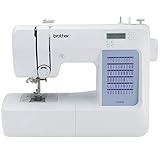
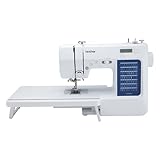
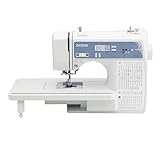
The best computerized sewing machines make routine stitching easier with clear controls, reliable speed adjustment, and useful automation—not simply the longest stitch list. For a first machine, consider the Brother CS7000X: it offers an approachable interface, a wide table for larger projects, and a practical set of included feet. For a more capable home studio, the Brother HC1850 adds a larger stitch selection and a broad range of presser feet. If embroidery is part of the plan, the Brother SE700 combines sewing with built-in embroidery functions, though its embroidery area and workflow are different from those of a dedicated embroidery machine.
These are distinct machine types rather than a single ranking: the right choice depends on what you sew, how much workspace you need, and whether you want embroidery. Prices vary by region and bundle; check the manufacturer’s current specifications and included accessories before buying.
As an Amazon Associate we earn from qualifying purchases at no extra cost to you.

Compare the machines that suit different sewists
| Model | Stitch selection | Workspace and speed control | Included-foot approach | Best fit |
|---|---|---|---|---|
| Brother CS7000X | 70 built-in stitches | Wide table included; adjustable sewing speed | Multiple task-specific feet, including a walking foot | Beginners and general-purpose sewing |
| Brother HC1850 | 185 built-in stitches | Wide table included; adjustable sewing speed | A large assortment for utility, quilting, and decorative work | Sewists who want more stitch and foot options |
| Brother SE700 | 135 sewing stitches; built-in embroidery designs and lettering | Embroidery field is 4 × 4 inches; sewing speed can be adjusted | Includes sewing feet plus embroidery equipment; verify the current package | People who want both sewing and small embroidery projects |
Stitch counts are not directly comparable across machines: some count buttonhole styles, lettering, or embroidery designs separately. Likewise, the size of an embroidery field is not the same as the usable sewing area. Confirm the exact version and regional bundle, since accessories can differ.
Choose by the work you actually do
| Your situation | What matters most | Practical direction |
|---|---|---|
| Learning hems, repairs, and simple garments | Easy threading, a dependable straight stitch, adjustable speed, and clear controls | Start with a general-purpose model such as the CS7000X; don’t pay extra just for hundreds of decorative stitches. |
| Quilting or sewing bulky projects | Table support, fabric feed, room around the needle, and compatible feet | Compare the included wide table and walking-foot availability; also check the machine’s throat space, which is not the same as table width. |
| Decorative sewing and frequent buttonholes | Useful stitch variety, adjustable stitch length and width, and buttonhole options | A broader library such as the HC1850’s is valuable if you will use it; test that the desired stitch can be adjusted to suit your fabric. |
| Personalized gifts or small embroidered designs | Embroidery field, design transfer workflow, and included embroidery hoop | Consider a combination machine such as the SE700, while checking whether its field accommodates your largest intended design. |
What the feature list does—and doesn’t—tell you
Stitch libraries: useful options beat a big number
Most everyday projects rely on a small core: straight stitch, zigzag, stretch stitches, a blind hem, and buttonholes. More patterns help when you sew decorative details, lettering, or multiple buttonhole styles, but they do not automatically improve stitch quality. Check whether stitch width and length are adjustable, and whether the machine offers a simple way to select and preview a stitch.
Automatic threading: a convenience, not a substitute for setup
An automatic needle threader can save time, especially if threading is difficult, but it still depends on correct needle position and thread routing. The top thread and bobbin must both be placed correctly. A top-loading bobbin with a clear cover can make it easier to see how much thread remains; follow the model’s instructions rather than assuming every bobbin loads the same way.
Speed control: valuable for new sewists and precision work
A speed slider limits how fast the machine runs when the foot pedal is pressed. That helps beginners maintain a steady seam and experienced sewists manage corners or detailed topstitching. It is different from stitch-length control: speed changes how quickly the needle cycles, while stitch length changes how far the fabric advances between stitches.
Work area and feet: check the project, not just the accessory count
A wide extension table supports quilts and larger fabric pieces, but it does not increase the space between the needle and the machine body. That throat area determines how much rolled fabric fits beside the needle. Included feet are similarly project-specific: a zipper foot, blind-stitch foot, buttonhole foot, and walking foot can be useful, but confirm that the package includes the ones you need and that compatible replacements are available.
A simple way to check whether a machine suits you
Before deciding, map your likely projects to the machine’s actual working features:
- List your three most common jobs. For example: clothing repairs, garment construction, and quilting. Match each job to a stitch and foot you will use.
- Check fabric handling. If you plan to sew denim, canvas, or layered quilts, look for guidance on suitable needles and fabrics. “Heavy duty” in a product name is not a guarantee that every thick stack will feed well.
- Inspect the workspace measurements. Compare throat space and table dimensions with the size of your project. Large quilts need room both beside the needle and under the arm.
- Try the threading workflow if possible. A clear threading path and understandable controls can matter more day to day than a large decorative library.
- Check support and accessories. Confirm warranty terms, manual availability, and the cost and availability of compatible feet and bobbins in your region.
Frequently asked questions
What is the difference between the Brother CS7000X and Brother HC1850?
The Brother HC1850 offers more built-in stitches and a larger assortment of presser feet than the Brother CS7000X. The CS7000X has 70 built-in stitches, while the HC1850 has 185. Both include a wide table and adjustable sewing speed. The CS7000X is presented as a general-purpose choice, while the HC1850 suits sewists who expect to use more stitch and foot options.
Is the Brother SE700 suitable for someone who wants both sewing and embroidery?
Yes, the Brother SE700 combines sewing with built-in embroidery functions. It includes 135 sewing stitches, built-in embroidery designs and lettering, and a 4 × 4 inch embroidery field. Its package includes sewing feet and embroidery equipment, but the current bundle should be verified. It is intended for people who want sewing and small embroidery projects rather than only ordinary sewing.
Does a wide extension table provide more throat space?
No, a wide extension table does not increase the space between the needle and the machine body. The table supports quilts and larger fabric pieces, while throat space determines how much rolled fabric fits beside the needle. Large quilts need room both beside the needle and under the arm, so compare throat-space measurements as well as table dimensions.
Which stitches are most important for everyday sewing?
The most useful everyday stitches are a straight stitch, zigzag, stretch stitches, a blind hem, and buttonholes. A larger decorative library is helpful for decorative details, lettering, or multiple buttonhole styles, but it does not automatically improve stitch quality. Also check whether the machine lets you adjust stitch width and length and select and preview stitches easily.
What should I check before sewing denim, canvas, or layered quilts?
Before sewing denim, canvas, or layered quilts, check the machine’s guidance on suitable needles and fabrics and consider its fabric-handling space. Compare throat space and table dimensions with the project size, and confirm whether compatible feet, including a walking foot when needed, are included or available. The term “heavy duty” alone does not guarantee that every thick stack will feed well.
Verdict
For a first computerized machine focused on ordinary sewing, the Brother CS7000X is a sensible place to start because it pairs a manageable stitch library with adjustable speed, a wide table, and useful feet. Choose the HC1850 if you expect to make regular use of its larger selection of stitches and accessories. Choose the SE700 if embroidery is a real part of your plans, not merely a feature you might try once. In every case, prioritize comfortable threading, fabric control, workspace, and the feet your projects require over the largest advertised stitch count.


