
Top 3 picks at a glance
Best Belgian Waffle Makers: Quick Picks by Household
The best Belgian waffle maker for most homes is a flip-style model with adjustable browning, deep grids, and removable plates; choose a vertical or compact model if counter space matters more than making several waffles quickly. For weekend batches, a double-sided iron can cut waiting time, while a small household may be better served by a simpler single-waffle machine.
Belgian-style waffles are thicker than standard waffles, so plate depth and heat recovery matter as much as the number of browning settings. The right choice depends on how many waffles you make at once, how much storage space you have, and whether you want plates that can go in the dishwasher.
As an Amazon Associate we earn from qualifying purchases at no extra cost to you.

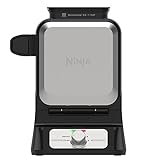
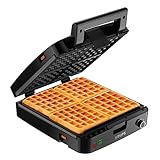

Choose by Household Size and Routine
| Household or use | Useful design | Capacity to look for | Best fit |
|---|---|---|---|
| One or two people | Compact, single-waffle iron | One 6–7-inch waffle per cycle | Small kitchens, occasional breakfasts |
| Three or four people | Large single-waffle or double iron | One large waffle or two at a time | Regular family use |
| Five or more, or batch cooking | Double iron with separate cooking chambers | Two waffles per cycle | Busy mornings and gatherings |
| Limited counter space | Vertical-storage or compact design | Usually one waffle per cycle | Small apartments and shared kitchens |
How the Main Designs Compare
Flip-style: even cooking across a deep waffle
A rotating iron lets batter spread through the grid as the maker is turned, which can help reduce pale patches and uneven thickness. The motion is useful for deep pockets, but it needs clearance on the counter and a secure latch for storage. A flip mechanism does not guarantee crisp results by itself: stable heat and a suitable browning control still matter.
Double irons: faster batches, more space
A two-waffle machine is the practical choice when several people eat together. It can produce more waffles per cycle, but it is wider, heavier, and often harder to tuck away. Check whether each side has its own ready indicator and whether the maker can maintain heat when both chambers are filled. If one side cooks faster than the other, the apparent capacity may not translate into a smooth serving routine.
Compact or vertical designs: easier storage
Compact machines suit occasional use and kitchens where counter area is precious. Some models store upright, reducing shelf footprint, but their plates may be smaller and their output slower for a crowd. Confirm the closed dimensions and whether the cord wraps neatly; “compact” does not necessarily mean light or easy to store in a high cabinet.
What to Check Before Buying
- Plate depth and shape: Look for a grid described as Belgian-style, with deep pockets for thick batter. Compare the finished waffle diameter as well as the depth; a deep but small waffle may not suit a family breakfast.
- Browning control: A numbered dial or clearly marked range gives more repeatable results than a single on/off setting. It controls the maker’s heating cycle, not the waffle’s moisture, so the same setting can behave differently with different recipes.
- Heat consistency: Thick waffles need enough heat to cook through without becoming leathery outside. A ready light tells you when the plates are hot, but it does not measure the center of the waffle. Look for a well-fitting lid and even plate contact, and allow the machine to recover between batches.
- Cooking speed: Published wattage indicates electrical input, not a guaranteed cooking time. Plate size, batter quantity, starting temperature, and heat recovery all affect how long a waffle takes. A double iron can still be slow if its heating system struggles to serve both sides.
- Cleanup: Removable, dishwasher-safe plates are simplest to clean, though the manufacturer’s care instructions take priority. With fixed nonstick plates, wipe away crumbs and oil only after the unit has cooled; avoid metal utensils and abrasive pads that can damage the coating.
- Storage and batch capacity: Check the maker’s height, width, weight, cord storage, and whether it can stand upright. For a family, consider how many waffles you need before the first ones cool—not just the number that fit in one cooking cycle.
Estimate Batch Time Before You Commit
Use a simple planning calculation rather than relying on a maker’s “quick” label. If a single iron takes about 4 minutes per waffle, a family of four needs roughly 16 minutes of cooking time, plus preheating and any recovery pauses. A double iron producing two waffles every 5 minutes would need about 10 minutes for the same four waffles. These are planning examples, not guaranteed appliance timings; actual cycle length depends on the recipe and the machine.
To keep the first waffles crisp while the rest cook, place them in a single layer on a wire rack in a low oven—about 200°F (95°C)—rather than stacking them on a plate. Stacking traps steam, softening the ridges you bought a deep-grid iron to create.
Getting Crisp Centers and Even Browning
- Preheat fully. Wait for the ready indicator, then give the plates a little extra time if the manual allows. Starting too early can produce a pale exterior and a dense center.
- Begin at a middle browning setting. Make one test waffle, then adjust one setting at a time. Increase browning for a darker crust; decrease it if the outside colors before the center is cooked.
- Measure batter consistently. Use the amount recommended by the manual or recipe. Too much batter leaks into the hinge and makes cleanup harder; too little leaves the outer pockets unfilled.
- Wait for the cooking cue. A ready light may signal that the plates have recovered, not that every recipe is finished. If the waffle tears or feels soft, close the lid and cook it longer rather than forcing it free.
- Let steam escape after cooking. Move waffles to a rack promptly. This keeps the bottom from steaming against a flat surface and helps preserve crisp edges.
Which Belgian Waffle Maker Should You Choose?
Pick a flip-style iron if even batter distribution and thick, deep-pocket waffles are your priority. Choose a double iron if serving several people quickly matters more than compact storage. For a small kitchen or occasional use, favor a smaller maker with upright storage and straightforward controls. If cleanup is your deciding factor, prioritize removable plates and verify how they are meant to be washed.
Before buying, compare the finished waffle size, plate depth, browning range, removable-plate design, and closed dimensions. Those details reveal whether a machine fits your breakfast routine more reliably than a long feature list.
Frequently asked questions
Can Belgian waffle makers make waffles crisp without a flip mechanism?
Yes, a flip mechanism is not required for crisp waffles. Stable heat, suitable browning control, full preheating, and consistent batter quantity also affect the result. A flip-style iron can help batter spread through deep grids and reduce pale patches, but it does not guarantee crispness by itself. Move cooked waffles to a wire rack promptly so steam can escape.
Are removable waffle plates worth prioritizing?
Yes, removable plates are worth prioritizing if easy cleanup matters most. Dishwasher-safe plates are simplest to clean, but the manufacturer’s care instructions take priority. With fixed nonstick plates, wait until the maker has cooled before wiping away crumbs and oil. Avoid metal utensils and abrasive pads because they can damage the nonstick coating.
How much counter space does a flip-style Belgian waffle maker need?
A flip-style maker needs enough counter clearance for the rotating iron and a secure place for storage. The article does not give specific dimensions, so compare each model’s closed height and width before buying. If counter or shelf space is limited, a vertical-storage or compact design may be easier to store, although it may produce smaller waffles or slower batches.
Does higher wattage mean a Belgian waffle maker cooks faster?
No, published wattage shows electrical input rather than guaranteed cooking speed. Cooking time also depends on plate size, batter quantity, starting temperature, and heat recovery. A double iron may still cook slowly if its heating system struggles when both chambers are filled. Compare the maker’s design and capacity instead of using wattage alone to predict breakfast timing.
How can I keep the first waffles crisp while later ones cook?
Keep the first waffles in a single layer on a wire rack in a low oven at about 200°F (95°C). Do not stack them on a plate, because trapped steam softens the ridges and edges. Moving each waffle to the rack promptly also prevents its bottom from steaming against a flat surface while the remaining batches cook.


