
The best electronic drum sets under $1,000 for most practice and recording needs are the Alesis Nitro Max for a quiet, mesh-headed starter setup, the Roland TD-07DMK for dependable module sounds and computer connectivity, and the Yamaha DTX6K-X as a step-up choice when realistic cymbal response and expandability matter more than having mesh heads on every drum.
Prices vary by retailer and sales, so the ranges below are general market estimates rather than fixed quotes. Check the exact package contents before buying: kick pedals, throne, headphones, and cymbal stands are not included in every bundle.
As an Amazon Associate we earn from qualifying purchases at no extra cost to you.


Our Top Picks
 Donner DED-200 Electric Drum Sets with Quiet MeshDED-20013.78 x 8.27 x 4.72 inches53.6 poundsCheck on Amazon

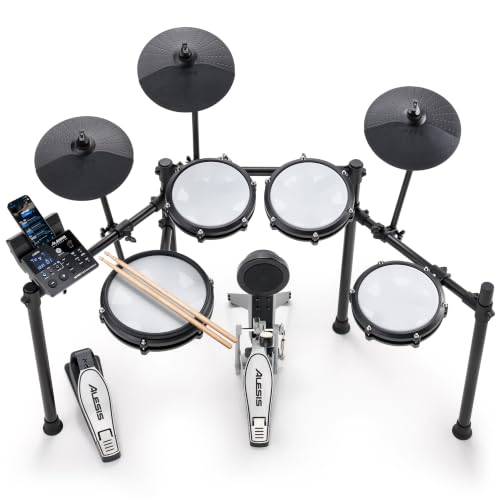
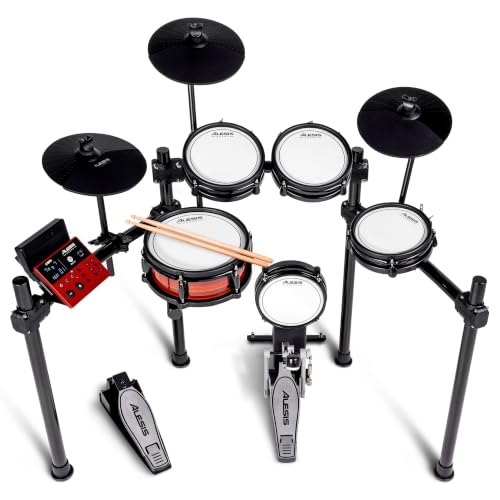
Top 3 picks at a glance
Quick comparison
| Kit | Typical price range | Drum-pad feel | Kick setup | Recording and connectivity | Best fit |
|---|---|---|---|---|---|
| Alesis Nitro Max | Usually $400–$600 | Mesh heads on the drum pads | Kick tower and pedal; verify whether the pedal is included | USB-MIDI, Bluetooth audio, and module outputs | Quiet practice and a low-cost route to computer-based drum sounds |
| Roland TD-07DMK | Usually $700–$1,000 | Mesh heads; compact, dual-zone snare | Kick trigger and pedal; check package contents | USB audio/MIDI, Bluetooth audio, and module outputs | Practice with a polished module and record-ready USB connection |
| Yamaha DTX6K-X | Usually $800–$1,000 | Rubber drum pads rather than all-mesh heads | Kick pad and pedal; confirm included accessories | USB-MIDI, MIDI, and module outputs | Players who prioritize cymbal response, module features, and expansion |
| Alesis Surge Mesh | Usually $500–$700 | Mesh heads across the drum pads | Kick tower and pedal; verify what comes in the bundle | USB-MIDI, MIDI, and module outputs | Mesh-pad practice with more room to adjust the kit than entry-level models |
Prices and bundles change. “Mesh” describes the drum heads, not the kick pedal or cymbals, which have their own feel and noise characteristics.
Choose by what matters at your kit
| Your situation | Start with | Why |
|---|---|---|
| You need an affordable, quiet-feeling kit for regular home practice | Alesis Nitro Max | Mesh drum pads and USB-MIDI cover the main needs without stretching the budget. |
| You want built-in sounds and a direct USB recording path | Roland TD-07DMK | Its module supports USB audio/MIDI, making it practical for recording without a separate MIDI interface. |
| You care more about responsive cymbals and future additions than mesh heads | Yamaha DTX6K-X | Its rubber pads are a compromise, but its module and cymbal setup are appealing for players who may expand. |
| You want mesh heads and more flexible setup options | Alesis Surge Mesh | It offers an all-mesh drum-pad layout; compare its module and included cymbals with the Nitro Max before paying extra. |
What the comparison means in real use
Alesis Nitro Max: value and straightforward computer use
The Nitro Max is a sensible starting point if the priority is practicing on mesh drum pads and later triggering software instruments. USB-MIDI sends performance data to a computer; it does not mean the kit’s sounds are automatically sent as USB audio. For computer-generated drum sounds, connect the kit to a compatible drum plug-in or recording setup and monitor through the computer or an audio interface.
Bluetooth audio is useful for playing along with music from a phone, but Bluetooth is not a substitute for a low-latency recording connection. For monitoring while recording, use wired headphones or a wired audio path.
Roland TD-07DMK: a strong recording-focused choice
The TD-07DMK is worth considering near the top of the budget when you want both onboard sounds and a convenient computer connection. Its mesh heads suit quiet practice, while USB audio/MIDI can simplify recording compared with a setup that only sends MIDI. The trade-off is value: if you plan to use software drums exclusively, you may be paying for module features you do not need.
Its compact pads also make it easier to fit into a small practice space. Before purchasing, check whether the bundle includes the kick pedal and other essentials rather than assuming the product name describes a complete, ready-to-play package.
Yamaha DTX6K-X: better for players who value response and expansion
The DTX6K-X makes a different compromise: its drum pads are rubber, not all mesh, but the kit can appeal to players who value Yamaha’s module and cymbal features. Rubber pads can feel firmer and transmit more impact into a stand or floor than mesh heads. If quieter practice is the main concern, compare the complete kit in person when possible—or choose a mesh-headed alternative and budget for a floor mat.
Check expansion compatibility before planning an upgrade. A spare trigger input does not guarantee that every cymbal or pad will support all of its zones; confirm the module’s supported trigger types and the intended input before buying an add-on.
Alesis Surge Mesh: a mesh-first alternative
The Surge Mesh is a good comparison point if you want mesh heads but are weighing the Nitro Max against a more adjustable or expandable setup. Its appeal depends on the exact bundle and your preferred module controls, not just the number of sounds advertised. For recording with software, both kits can serve as MIDI controllers; compare their pad zones, included cymbals, and available inputs rather than paying extra for a larger preset list you may not use.
Kick compatibility and noise: two common surprises
The kick pad is often the part that determines whether a budget kit feels workable. A mesh snare may be quiet under the sticks while the kick pedal still sends a thump through a wooden floor. A compact pedal-style trigger can also feel different from a full kick tower, so confirm what the model supports and whether a compatible pedal is included.
- For a double pedal: look for a kick tower wide enough for two beaters and check the manufacturer’s compatibility notes. A single-trigger pedal input may register both beaters, but spacing and trigger accuracy vary.
- For apartment practice: put the rack on a dense drum mat, isolate the kick tower from the floor with a stable platform, and avoid placing the kit directly against a shared wall. These steps reduce structure-borne thumps; they cannot make an acoustic-style kick feel silent.
- For quieter stick work: mesh heads generally feel more like a tensioned drumhead than rubber, but cymbal pads still make audible stick noise. Headphones reduce what you hear from the module, not the physical impact in the room.
Recording without buying the wrong interface
Work out whether you want MIDI or audio before choosing a kit. MIDI records the timing and velocity of each hit, letting drum software generate the sound later. USB audio records the module’s actual sound. If you use a software drum instrument, USB-MIDI is usually enough; if you want the kit’s built-in sounds in a recording, look for USB audio or use the module’s audio outputs with an audio interface.
A practical check is to make a short test recording before tracking a full song: record a few soft and hard snare hits, a cymbal choke if supported, and steady kick notes. Confirm that velocity changes are preserved, cymbal zones trigger correctly, and monitoring feels responsive. If the sound is delayed, reduce the computer’s audio buffer size or use a suitable audio interface; lowering the buffer reduces latency but can cause clicks if the computer cannot keep up.
Frequently asked questions
Do these electronic drum sets include everything needed to start playing?
No, not every bundle includes all the essentials. Kick pedals, a throne, headphones, and cymbal stands may be excluded, so check the exact package contents before buying. The article specifically recommends confirming whether the kick pedal and other necessary accessories are included rather than assuming the product name describes a complete, ready-to-play setup.
Can Bluetooth audio replace a wired connection when recording?
No, Bluetooth audio is not a substitute for a low-latency recording connection. It is useful for playing along with music from a phone, but recording and monitoring should use a suitable wired path. For monitoring while recording, wired headphones or a wired audio path are recommended because Bluetooth can introduce delay.
Does a mesh drum head mean the entire kit will be quiet?
No, mesh describes the drum heads, not the entire kit. Cymbal pads still produce audible stick noise, and the kick pedal can send a thump through a wooden floor. Headphones reduce the module sound you hear, but they do not eliminate physical impact. A dense drum mat and kick isolation can reduce structure-borne noise.
What should I check before adding another pad or cymbal?
Check the module’s supported trigger types, the intended input, and whether the add-on will support all of its zones. A spare trigger input does not guarantee full compatibility with every cymbal or pad. Also compare the available inputs and included cymbal zones before planning an upgrade, rather than relying only on the advertised sound count.
Which connection do I need if I want to use drum software?
USB-MIDI is usually enough when software will generate the drum sounds. MIDI records the timing and velocity of each hit, allowing a drum plug-in to create the audio later. If you want to record the kit’s built-in sounds instead, look for USB audio or connect the module’s audio outputs to a suitable audio interface.
Bottom line
For the best balance of price, mesh-pad practice, and computer-based recording, start with the Alesis Nitro Max. Choose the Roland TD-07DMK if its USB audio/MIDI and onboard module justify the higher price for your setup. Pick the Yamaha DTX6K-X if its module and cymbal response matter more to you than mesh heads across the drums. In every case, compare the included kick hardware, cymbal zones, available expansion inputs, and floor-noise plan—not just the pad material or advertised sound count.


