
Our Top Picks

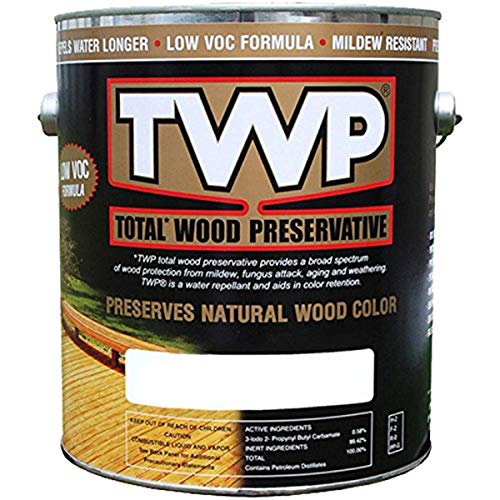
Best Deck Stains for Protection: Durable Finishes for Every Deck
The best deck stains for protection are penetrating, water-repellent stains with UV-blocking pigment, chosen to match the wood’s condition and your maintenance schedule. For most exposed decks, a quality semi-transparent stain is the practical middle ground: it sheds water, slows sun damage, and lets the grain show. Weathered boards that need more uniform color may call for a solid stain, while newer, attractive wood often suits a lighter transparent or semi-transparent finish—provided the stain’s label allows application to new lumber.
There is no single best stain for every deck. Water resistance, UV protection, mildew resistance, coverage, and recoat time all depend on the product formulation, wood species, weather, and preparation. Use the comparisons below as a starting point, then check the product label for application limits and maintenance intervals.
As an Amazon Associate we earn from qualifying purchases at no extra cost to you.

What matters most in a protective deck stain
- Water resistance: Look for a penetrating stain or a coating specifically labeled for exterior decks. Water beading alone is not proof of long-term protection; inspect whether the finish repels moisture without forming a brittle surface film.
- UV protection: Pigment helps screen sunlight, so transparent stains generally protect wood color less effectively than semi-transparent and solid stains. Darker or more opaque colors usually conceal fading better, but can change the deck’s appearance significantly.
- Mildew resistance: A stain may contain ingredients that help resist mildew, but no finish prevents growth where dirt, leaves, or persistent dampness collect. Shade, drainage, and regular cleaning matter just as much.
- Coverage: Published coverage is a planning estimate, not a promise. Rough, dry, or weathered boards often absorb more stain than smooth wood, and railings or end grain can need extra material.
- Recoat time: A short recoat window can make a project easier to schedule, but the surface must still be dry enough and within the label’s temperature and weather limits.
- Wood condition: New wood can resist absorption because of mill glaze or residual moisture. Old wood may need cleaning, sanding, or removal of a failed coating before a new stain can bond evenly.
Choose by deck condition and protection needs
| Deck situation | Finish to consider | Typical planning coverage | Typical recoat window | Why it fits |
|---|---|---|---|---|
| New pressure-treated lumber | Penetrating semi-transparent stain, if label permits | 150–300 sq. ft. per gallon | About 4–24 hours | Balances grain visibility and UV pigment; wait until the wood is ready to absorb stain. |
| Weathered wood with visible grain | Penetrating semi-transparent stain | 100–250 sq. ft. per gallon | About 4–24 hours | Can refresh color and repel water without hiding the grain; thirsty boards use more. |
| Faded, uneven boards or mixed repairs | Solid-color deck stain | 150–400 sq. ft. per gallon | About 2–24 hours | Offers stronger color uniformity and UV screening, but obscures most wood character. |
| Deck in deep shade or a damp climate | Stain labeled for mildew resistance, in a cleanable color | Follow the label; surface texture changes use | Follow the label and forecast | Formulation can help, but airflow, drainage, and debris removal remain essential. |
Coverage and recoat figures are broad planning ranges, not specifications for a particular product. Actual label directions take priority; some stains require one coat, while others allow or require a second.
How the main stain types compare
Transparent and lightly tinted stains
These preserve the most visible grain and are best when the wood is in good condition and appearance matters more than hiding variation. Their low pigment means less UV screening, so expect color to fade sooner on sunny, exposed decks. They can be a good fit for owners willing to clean and refresh the surface more often.
Semi-transparent stains
For many decks, this is the most balanced choice. It adds enough pigment to improve resistance to sun fading while allowing some grain to show. Penetrating formulas are especially useful on weathered wood that can absorb them. They will not disguise deep discoloration, patches, or old coating residue, so preparation determines how even the final color looks.
Solid-color stains
Solid stains provide the most consistent color and generally the strongest visual coverage of the three categories. They can make mismatched replacement boards look more uniform, but the wood grain is largely hidden. A film-forming finish may peel if moisture gets underneath or the surface is poorly prepared; remove loose, failing material before recoating and follow the product’s compatibility instructions.
Match the stain to your deck: a quick decision matrix
| Your priority or problem | Best starting choice | Trade-off to expect |
|---|---|---|
| Keep the natural grain visible | Transparent or semi-transparent penetrating stain | Less pigment usually means less UV protection and more frequent upkeep. |
| Reduce sun fading on an open, sunny deck | Pigmented semi-transparent or solid stain | More pigment changes the wood’s natural appearance. |
| Blend old and replacement boards | Solid-color stain after sound-surface preparation | It hides grain and may require more careful future recoating. |
| Protect new pressure-treated wood | A stain explicitly approved for new treated lumber | Applying too soon can lead to poor absorption and uneven results. |
| Manage recurring mildew in a shaded area | A mildew-resistant exterior deck stain plus improved drainage and cleaning | No stain can compensate for standing water or persistent debris. |
Estimate how much stain to buy
Measure the actual surfaces you plan to coat rather than relying only on the deck’s footprint. For a simple rectangular deck, calculate length × width, then add railings, stairs, and other surfaces if they will be stained. Divide that total by the product’s stated coverage and round up to whole containers.
Example: A 12-by-16-foot deck has 192 square feet of floor area. If the label’s stated coverage is 250 square feet per gallon, the floor alone needs 192 ÷ 250 = 0.77 gallon for one coat. Plan for at least one gallon, and add material for stairs, rails, rough boards, or a second coat if the label calls for one. If the wood is very weathered, use the lower end of the product’s coverage range for a safer estimate.
Getting protection that lasts
- Check the existing finish. If water beads strongly or an old coating is peeling, a new penetrating stain may not absorb evenly. Identify the old finish and follow the new product’s compatibility directions.
- Clean and prepare the wood. Remove dirt, mildew, and loose finish with a deck-appropriate cleaner and the method permitted by the stain maker. Sand rough or raised fibers when needed, then remove dust.
- Confirm the wood is ready. New treated boards can need time to dry and weather, but waiting periods vary. Follow the label rather than assuming a fixed number of weeks; when permitted, a water-absorption check can help reveal whether a surface is still resisting moisture.
- Apply in suitable conditions. Avoid rain, dew, hot direct sun, and temperatures outside the label’s limits. Work a few boards at a time and maintain a wet edge to reduce lap marks.
- Allow the full cure time. A stated recoat time is not necessarily the time before furniture or foot traffic can return. Keep the deck clear for the label’s full drying or curing period.
- Maintain the surface. Sweep away leaves, clear gaps so water drains, and wash off grime before it becomes embedded. Recoat when the finish visibly fades or water no longer sheds as it did—not simply because a calendar interval has passed.
Frequently asked questions
Can I apply a new stain over an old deck finish?
You should identify the existing finish and follow the new product’s compatibility directions before applying stain. Strong water beading or peeling may prevent a penetrating stain from absorbing evenly. Remove loose, failing material, clean away dirt and mildew, and sand rough or raised fibers when needed. Then remove dust and apply only when the surface meets the label’s requirements.
How can I tell whether new pressure-treated wood is ready to stain?
New pressure-treated wood is ready when it can absorb the stain according to the product label. Mill glaze or residual moisture can prevent even absorption, and treated boards may need time to dry and weather. Do not assume a fixed waiting period. When permitted, a water-absorption check can help show whether the surface is still resisting moisture.
Will a transparent stain protect my deck as well as a solid stain?
A transparent stain generally provides less UV screening than a solid stain because it contains less pigment. Transparent and lightly tinted finishes preserve more visible grain, while solid stains offer stronger visual coverage and more consistent color. Choose the transparent option when appearance matters most, and choose a solid stain when reducing fading or hiding uneven boards is more important.
What should I do if mildew keeps returning on my deck?
Use a stain labeled for mildew resistance, but also improve drainage, airflow, and cleaning. No stain can prevent mildew where dirt, leaves, or persistent dampness collect. Sweep away debris, clear gaps so water drains, and wash off grime before it becomes embedded. A cleanable color may also be practical in a shaded or damp area.
When can I put furniture back on a freshly stained deck?
Put furniture back only after the product’s full drying or curing period has passed. The stated recoat time is not necessarily the time before furniture or foot traffic can return. Follow the label’s drying and curing directions, and keep the deck clear during that period. Applying in suitable weather also helps the finish dry and cure properly.
Bottom line
For a typical weathered deck where you want a mix of water resistance, UV protection, and visible grain, start with a penetrating semi-transparent stain approved for the wood and existing finish. Choose a solid stain when color uniformity and surface coverage matter more than grain, and use a transparent finish when preserving appearance outweighs maximum UV screening. In every case, careful preparation and correct timing are as important to durable protection as the stain itself.


