
For photo storage, use an SSD for the photos you are actively editing and your editing catalog, and an HDD for the long-term archive and backups, because hard drives cost roughly a quarter as much per terabyte and are the better medium for drives that sit unplugged for months. Choosing only one type usually means either paying too much for archive space or putting up with slow previews while you edit. The split works the same whether the drive is internal or external.
As an Amazon Associate we earn from qualifying purchases at no extra cost to you.

Step 1: Work Out How Much Space Your Photos Need
Capacity drives the decision more than speed does, so start with the numbers. Approximate file sizes per image:
| Source | Typical file size | Photos per 1 TB |
|---|---|---|
| Phone, HEIC (12 MP) | 2–3 MB | about 330,000–500,000 |
| Phone or camera JPEG (12–24 MP) | 4–8 MB | about 125,000–250,000 |
| 24 MP camera RAW | 25–35 MB | about 28,000–40,000 |
| 45–61 MP camera RAW | 50–80 MB | about 12,500–20,000 |
| Edited 16-bit TIFF/PSD export from 24 MP | 140–200 MB or more | about 5,000–7,000 |
Worked example: an enthusiast shooting RAW
Someone shooting 15,000 frames a year on a 24 MP camera at about 30 MB each adds 450 GB per year. Add editing previews and a handful of layered exports and it is closer to 550 GB per year. Over five years that is around 2.75 TB, before any backup copies. A 4 TB SSD to hold everything plus a matching backup would cost several hundred dollars; a 4 TB HDD for the archive and a second for backup costs a fraction of that.
A phone-only shooter, by contrast, may produce only 20–40 GB a year, in which case a single 1–2 TB portable SSD plus cloud backup is simple and affordable.
Step 2: Match Each Job to the Right Drive
| Job | Best drive | Why |
|---|---|---|
| Editing catalog and preview cache (Lightroom Classic, Capture One) | Internal NVMe SSD | Thousands of small random reads; HDD makes scrolling and preview generation sluggish |
| Current-year or active project RAW files | Internal or portable NVMe SSD | Faster imports, culling and full-resolution zoom |
| Finished archive of past years | Large HDD (internal or desktop external) | Lowest cost per TB; speed rarely matters for browsing old shoots |
| Backup copies | HDD, plus cloud or offsite copy | Cheap capacity for full duplicates |
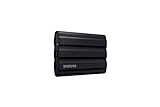
| Travel ingest and field backup | Portable SSD | Shock resistance and fast offloads from memory cards |
| Small phone-photo collection | Portable SSD or a single HDD plus cloud | Capacity needs are low; pick by budget and portability |
SSD vs HDD for External Photo Storage
Most photo libraries end up on external drives, so the interface matters as well as the drive type:
- Portable HDD (2.5″, 5,400 rpm): about 100–140 MB/s, bus-powered, roughly $20–$35 per TB. Copying 500 GB takes a little over an hour.
- Desktop external HDD (3.5″): about 160–260 MB/s, needs wall power, roughly $15–$25 per TB and available in very large capacities. Best archive value.
- Portable NVMe SSD on USB 3.2 Gen 2: around 1,000 MB/s, roughly $60–$100 per TB. The same 500 GB copy takes under ten minutes.
For an archive you open a few times a month, the HDD’s slower speed costs you minutes occasionally. For a working drive you open every day, the SSD saves time every session.
Reliability: What Actually Threatens Your Photos
Hard drives
HDDs fail mechanically: heads, motors and bearings. Large published fleet statistics from cloud backup providers put typical annualized failure rates for modern drives in the low single-digit percentages, rising as drives age. Portable HDDs are especially vulnerable to drops while running. The upside is that an HDD stored unplugged in a cool, dry place holds magnetic data well for years.
SSDs
SSDs survive drops and vibration far better, and write wear is not a concern for photo use: a 2 TB drive rated around 1,200 TBW would take more than a lifetime of typical photo imports to wear out. The weakness is unpowered retention. Flash cells slowly leak charge, and the industry’s JEDEC baseline for consumer drives is only one year of power-off retention at 30°C for a drive at the end of its rated endurance. A new, lightly used drive retains data much longer, but a portable SSD left in a hot car or a drawer for years is not an ideal sole archive.
The real risk is a single copy
Whichever drive you choose, photos stored in one place are one failure, theft or accidental deletion away from being lost. Drive type matters far less than the number of copies.
Step 3: Set Up a 3-2-1 Photo Storage Plan
- 3 copies: the working library plus two backups.
- 2 types of media or devices: for example, an internal SSD plus external HDDs.
- 1 offsite: a cloud backup service or a drive kept at another location and swapped periodically.
Example setup for the enthusiast above
- 1–2 TB internal NVMe SSD: editing catalog, previews and the current year’s RAW files.
- 8 TB desktop HDD: archive of all previous years, moved over each January.
- Second 8 TB HDD: automatic nightly or weekly backup of both the SSD and the archive drive.
- Cloud backup or an offsite drive: protection against fire, theft and ransomware.
Buying Tips for Photo Archive Drives
- Prefer CMR hard drives for backups: some lower-cost drives use SMR recording, which can slow dramatically during long sustained writes such as a full backup. NAS-oriented and many desktop drives list CMR in their specifications.
- Buy at least 2x your current library size: photo collections grow every year, and backup software needs room for versions.
- Use a file system that suits your computers: NTFS for Windows-only use, APFS for Mac-only, exFAT if the drive moves between both (with fewer safeguards against corruption on unplugging).
- Eject before unplugging: pulling a drive mid-write is a common cause of corrupted catalogs and folders.
- Check archives yearly: power up cold-storage drives, open a sample of old shoots and run the drive’s health check. Replace HDDs showing reallocated sectors and consider refreshing drives older than about five years.
Quick Answer by Photographer Type
| Profile | Library growth per year | Recommended setup |
|---|---|---|
| Casual phone photographer | 20–40 GB | 1 TB portable SSD plus cloud backup |
| Hobbyist shooting JPEG and some RAW | 100–250 GB | Internal SSD for editing, 4 TB HDD archive, cloud backup |
| Enthusiast shooting RAW | 400–700 GB | NVMe SSD for current work, 8 TB HDD archive, second HDD backup, offsite copy |
| Working professional, high-resolution bodies | 2 TB or more | Fast SSD workspace, multi-bay NAS or RAID HDD storage, plus offsite backup |


