Once you commit to backing up your data, backup software asks a question that stops many people cold: full, incremental, or differential? The choice affects how much space your backups eat, how long they take, and how quickly you can recover. Here is a plain-English breakdown so you can pick the right strategy for your storage.
As an Amazon Associate we earn from qualifying purchases at no extra cost to you.



Our Top Picks
 Seagate STEL8000100 Backup Plus Hub 8TB External Desktop8TB4.65 x 1.61 x 7.8 inches2.34 poundsCheck on Amazon
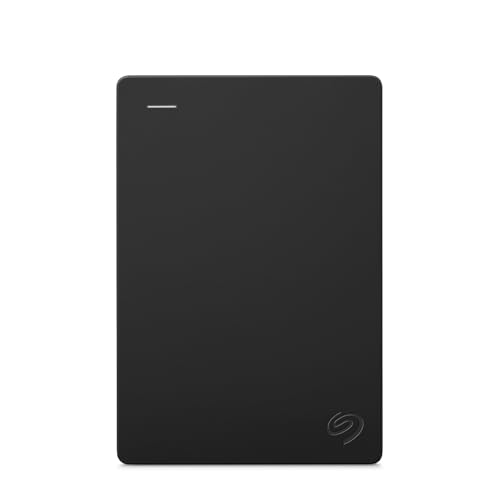


Top 3 picks at a glance
Full backups
A full backup copies everything you select, every time it runs. It is the simplest to understand and the fastest to restore because a single backup set contains your complete data. The downside is obvious: copying a 2TB library every night wastes hours and fills drives quickly, so full backups alone are impractical for frequent runs.
Incremental backups
An incremental backup copies only what changed since the last backup of any kind. After an initial full backup, each incremental run is tiny and fast because it captures just the day’s new and modified files. The trade-off appears at restore time: to rebuild your data you need the full backup plus every incremental in the chain, so a missing or corrupt link breaks the recovery.
Differential backups
A differential backup copies everything changed since the last full backup, not since the last backup. Each differential grows larger than an incremental as the week goes on, but restoring needs only two pieces: the last full backup and the most recent differential. That makes recovery simpler and more robust than a long incremental chain.
Side-by-side comparison
| Type | Backup speed | Space used | Restore complexity |
|---|---|---|---|
| Full | Slowest | Highest | Easiest (1 set) |
| Incremental | Fastest | Lowest | Hardest (full + all) |
| Differential | Medium | Medium | Easy (full + last) |
A typical week in numbers
Imagine 500GB of data that changes about 10GB per day. A full-every-night plan copies 500GB seven times, roughly 3.5TB of writes per week. An incremental plan copies 500GB once then about 10GB nightly, near 560GB total. A differential plan lands in between, growing from 10GB on Monday to around 60GB by Sunday before the next full resets it.
Which should you use?
Most people are best served by a hybrid schedule: a weekly full backup as an anchor, with daily incrementals or differentials in between. Choose incrementals if drive space is tight and you trust your software to manage the chain. Choose differentials if you value fast, foolproof restores and can spare a little extra space. Modern backup tools automate the whole rotation, deleting old sets so drives never overflow.
Frequently asked questions
What is a synthetic full backup?
Some software merges an old full backup with later incrementals in the background to create a fresh full without re-reading all your source data. It gives you the easy-restore benefit of a full backup with the light workload of incrementals, and it is worth enabling if your tool supports it.
Do these types apply to cloud backups too?
Yes. Reputable cloud services almost always use incremental-forever schemes under the hood, uploading only changed blocks after the first big sync. That is why the initial cloud backup takes days while later ones finish in minutes.
Retention: how many to keep
Choosing a backup type is only half the plan; you also decide how long to keep old versions. Retention matters because some problems, like a file that slowly corrupts or ransomware that hides for days, are only fixable if you have a backup from before the damage. A common home approach keeps daily backups for a couple of weeks, weekly ones for a couple of months, and a monthly copy for a year. Longer retention needs more space, so balance it against your drive capacity. Good backup software handles this pruning automatically, quietly deleting sets that age out so you never overflow the destination drive.
Bottom line
Full backups are simple but heavy, incrementals are light but fragile, and differentials sit in the sweet spot of speed and easy recovery. For a home setup, anchor each week with a full backup and fill the days with incrementals or differentials, then let your software prune old sets automatically. Match the pattern to how much space and how much restore hassle you can tolerate.
Related guides
More from Amazon
Programs that pair well with the guide above. Offers and eligibility are set by Amazon and may change.
A free business account with business pricing and bulk-buying tools for work, shop or home office.
Create a business accountFree shipping on eligible items, Prime Video and more. Eligible new members can start with a free trial.
Start a Prime free trialAudiobooks and podcasts to listen to on the go. Eligible new members can start with a free trial.
Try Audible freeAd-free music streaming. Eligible new subscribers can start with a free trial.
Try Music Unlimited freeAs an Amazon Associate we earn from qualifying purchases.