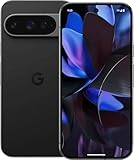
The best night camera phone for most people in 2026 is a Google Pixel 10 Pro or Pixel 10 Pro XL. Samsung’s Galaxy S25 Ultra is the better choice if you want the strongest zoom after dark, and the iPhone 17 Pro is the best for night video. Whichever you pick, the main camera’s sensor size and the quality of the phone’s multi-frame processing matter more than the megapixel count.
As an Amazon Associate we earn from qualifying purchases at no extra cost to you.


Our Top Picks
Top 3 picks at a glance
Quick comparison of the best night camera phones
| Pick | Best for | Key camera specs (per manufacturer spec sheets, approximate) | Price tier |
|---|---|---|---|
| Google Pixel 10 Pro / Pro XL | Best overall, natural night stills | 50MP main (about 1/1.3-inch, f/1.7), 48MP ultrawide, 48MP 5x telephoto | Premium |
| Samsung Galaxy S25 Ultra | Night zoom and versatility | 200MP main (about 1/1.3-inch, f/1.7), 50MP 5x periscope, 10MP 3x | Premium |
| iPhone 17 Pro / Pro Max | Night video, iPhone users | 48MP main, 48MP ultrawide, 48MP telephoto, Night mode on all lenses | Premium |
| Xiaomi 15 Ultra | Largest sensor, import buyers | 50MP 1-inch-type main (f/1.63), 50MP 3x, 200MP periscope | Premium (limited availability) |
| Google Pixel 9a | Best budget-to-mid night stills | 48MP main (about 1/2-inch, f/1.7), 13MP ultrawide | Mid-range |
| Samsung Galaxy A56 | Budget-conscious Android | 50MP main with OIS, f/1.8, plus ultrawide and macro | Mid-range |
Best overall: Google Pixel 10 Pro and Pro XL
Google’s Night Sight remains the benchmark for stills. It merges many frames, and its tone mapping tends to keep dark scenes looking like a lit evening rather than a brightened afternoon. The Pro models add a 5x telephoto, so you are not stuck with weak digital crops after dark. Google also keeps its astrophotography mode, which uses exposures of several minutes on a tripod.
Trade-off: Night video is good but not class-leading, and the telephoto sensor is much smaller than the main one, so it needs more light (see the calculation below).
Best for night zoom: Samsung Galaxy S25 Ultra
The Galaxy S25 Ultra has the widest lens set of the group, with a 3x and a 5x telephoto alongside a 200MP main sensor. Its processing leans brighter and more contrasty than the Pixel’s, which suits street scenes with neon and signage. Samsung’s Expert RAW app gives manual control for tripod work.
Trade-off: Default night shots can look over-brightened and oversharpened. The 5x lens is still far dimmer than the main camera.
Best for night video: iPhone 17 Pro and Pro Max
Apple’s strength is video. Exposure stays steady, colors stay consistent between lenses, and stabilization is excellent when you walk and film. Night mode photos are strong and well matched across the main, ultrawide and telephoto cameras. If you cut footage from several lenses in one edit, the consistency saves time.
Trade-off: Stills often look a little darker and moodier than the Pixel or Samsung, and there is no equivalent to Google’s multi-minute astro mode.
Best for the largest sensor: Xiaomi 15 Ultra
This phone uses a 1-inch-type main sensor, the largest in this list, which gives it a clear physical advantage in low light. It also has Leica-tuned color and strong telephoto hardware. Availability varies: it is sold officially in some regions, and elsewhere it means importing, with limited warranty and software support.
Trade-off: US carrier compatibility and update commitments can be weaker than those from Google, Samsung or Apple. Check the band list for your carrier before buying. Vivo’s X200 Pro and Oppo’s Find X8 Pro fall in the same class and carry the same regional caveats.
Best on a tighter budget: Pixel 9a and Galaxy A56
The Pixel 9a has a smaller main sensor than the flagships, but Google’s Night Sight processing recovers much of the gap, and it is usually the pick for good night stills without paying flagship money. The Galaxy A56 suits buyers who prefer Samsung’s software and want a main camera with optical stabilization. At this level, the ultrawide and zoom cameras are noticeably weaker at night. Plan to shoot almost everything on the main lens.
Worked example: why sensor size and aperture matter more than megapixels
Light collected by a lens-sensor pair scales roughly with sensor area divided by the square of the f-number. These are approximate figures using typical sensor formats, not measured results:
| Camera type | Approx. sensor area | Aperture | Relative light (area ÷ f²) | Compared with small main |
|---|---|---|---|---|
| 1-inch-type main | about 116 mm² | f/1.63 | about 44 | about 4.1x (+2 stops) |
| 1/1.3-inch main | about 73 mm² | f/1.7 | about 25 | about 2.4x (+1.3 stops) |
| 1/2-inch main (mid-range) | about 31 mm² | f/1.7 | about 10.6 | 1x (baseline) |
| Typical 5x telephoto (1/2.5-inch) | about 20 mm² | f/2.8 | about 2.5 | about 0.24x (-2 stops) |
Two conclusions follow. First, a 1/1.3-inch flagship main camera collects about 2.4 times the light of a mid-range 1/2-inch one, which is more than a full stop, so it can use a shorter shutter time or lower ISO. Second, a typical telephoto collects roughly a tenth of the flagship main camera’s light (2.5 vs 25), over three stops less. That is why zoomed night shots look soft and noisy on every phone, and why the main camera with a crop often beats the telephoto in very dark scenes.
How to choose: decision matrix
| Your situation | Choose | Reason |
|---|---|---|
| Mostly night stills of people and streets, any budget above mid-range | Pixel 10 Pro, or Pixel 9a if budget is tight | Most natural Night Sight processing |
| Concerts, events, distant subjects | Galaxy S25 Ultra | Two telephoto options and strong stabilization |
| Night video, vlogging, mixed-lens editing | iPhone 17 Pro | Consistent exposure and color across lenses |
| Maximum low-light hardware, willing to import | Xiaomi 15 Ultra or similar 1-inch-class phone | Largest main sensor |
| Astrophotography | Pixel Pro models with a tripod | Dedicated multi-minute astro mode |
| Strict budget | Galaxy A56 or Pixel 9a | Optical stabilization on the main camera is the key feature |
What to check on any night camera phone
- Main sensor size: Aim for about 1/1.5-inch or larger. Anything near 1/2-inch relies much more on software.
- Optical stabilization on the main lens: It allows longer handheld exposures, which is how night modes gather light.
- Night mode on every lens: Some phones restrict it to the main camera, leaving the ultrawide and zoom noisy.
- Software support: Camera processing improves through updates. Look for several years of promised support.
- Video low-light behavior: Check whether night video is frame-rate-limited or uses a separate processing mode.
Settings that improve night photos on any phone
- Clean the lens with a soft cloth. Fingerprint haze creates glare around lights and cuts contrast more than any setting can recover.
- Use the main camera (1x) first. It has the largest sensor and brightest aperture. Ultrawide and telephoto lenses are dimmer, as the table above shows.
- Tap to focus on a lit area, then lower exposure by about 0.3 to 0.7 stops if streetlights blow out. Highlights are lost permanently, while shadows can be lifted.
- Hold still for the full capture time, typically 2 to 6 seconds. The phone stacks many frames, and movement during the capture causes ghosting.
- Use a tripod or lean on a wall for the longest exposures. Phones detect a steady position and extend capture time, which cuts noise.
- Turn off HDR-style “enhancers” that oversmooth faces if skin looks waxy. Reduce beauty effects too.
- Shoot RAW or Expert RAW if you edit. It preserves more shadow detail, but expect to apply your own noise reduction.
Frequently Asked Questions
Which phone has the best night camera in 2026?
For most buyers the Google Pixel 10 Pro or Pro XL is the best all-round night camera because of its Night Sight processing and natural-looking results. The Galaxy S25 Ultra is better for zoom, and the iPhone 17 Pro for video. Rankings shift slightly with each software update.
Does a higher megapixel count improve night photos?
Not directly. Night quality depends on sensor size, aperture, stabilization and processing. High-megapixel sensors usually combine pixels in groups at night, so a 200MP sensor typically outputs a much lower-resolution, cleaner image in the dark.
Is a 1-inch sensor phone worth it for night shooting?
It gives a real hardware advantage, collecting roughly 1.7 times the light of a 1/1.3-inch sensor at similar apertures by area. The cost is limited availability in some markets and sometimes weaker software support. If you can buy one with local warranty and the right network bands, it is a strong choice.
Are cheap phones any good at night?
Mid-range models like the Pixel 9a can produce good night stills on the main camera when the scene is static. Their ultrawide and zoom cameras, and their night video, are weaker. Expect softer detail and more noise in dark areas than on flagships.
Why do my night photos look blurry?
Usually it is subject or hand movement during the multi-frame capture, or a smudged lens. Hold steady until the capture finishes, avoid digital zoom, and clean the lens. For moving subjects, turn off Night mode and use a shorter exposure, accepting more noise.
Do I need a tripod for night photography on a phone?
Not for normal night scenes, since handheld stacking works well. A tripod becomes important for astrophotography, light trails and very dark scenes, where it lets the phone use exposures of many seconds up to several minutes.
Related guides
More from Amazon
Programs that pair well with the guide above. Offers and eligibility are set by Amazon and may change.
A free business account with business pricing and bulk-buying tools for work, shop or home office.
Create a business accountFree shipping on eligible items, Prime Video and more. Eligible new members can start with a free trial.
Start a Prime free trialAudiobooks and podcasts to listen to on the go. Eligible new members can start with a free trial.
Try Audible freeAd-free music streaming. Eligible new subscribers can start with a free trial.
Try Music Unlimited freeAs an Amazon Associate we earn from qualifying purchases.


