The best non-Apple smartwatch for most Android owners in 2026 is the Samsung Galaxy Watch8 on a Samsung phone or the Google Pixel Watch 4 on a Pixel. If battery life and sport tracking matter more than apps, a Garmin is the better buy, and it also works well with an iPhone. Pick the watch by the phone in your pocket first, then by battery and use, because those two choices rule out most of the field.
As an Amazon Associate we earn from qualifying purchases at no extra cost to you.
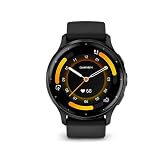


Top 3 picks at a glance
Quick comparison of the best non-Apple smartwatches
| Pick | Best for | Key specs (per manufacturer) | Phone support | Price range |
|---|---|---|---|---|
| Samsung Galaxy Watch8 (40/44 mm) | Best overall for Android | Wear OS 6, AMOLED, 40 and 44 mm cases, about 1.5 days typical use | Android only; some health features need a Samsung phone | Mid-range to premium |
| Google Pixel Watch 4 (41/45 mm) | Best for Pixel and Google apps | Wear OS, AMOLED, 41 and 45 mm cases, roughly 30 to 40 hours rated | Android only | Premium |
| Garmin Venu 4 | Best for battery plus smart features | 45 mm AMOLED, multi-day to over a week rated, multi-band GPS | Android and iPhone | Premium |
| Garmin Forerunner 570 | Best for runners | AMOLED, 42 and 47 mm cases, around 10 days rated in smartwatch mode | Android and iPhone | Premium |
| Garmin Instinct 3 | Best for rugged use | 45 and 50 mm cases, AMOLED or solar versions, very long battery rating | Android and iPhone | Mid-range to premium |
| Amazfit Active 2 | Best budget all-rounder | 1.32 in AMOLED, built-in GPS, up to about 10 days rated | Android and iPhone | Budget |
| OnePlus Watch 3 | Best Wear OS battery alternative | Wear OS with a second low-power chip, multi-day battery | Android only | Mid-range |
| Coros Pace 3 | Best light endurance watch | Lightweight, long GPS battery rating, no app store | Android and iPhone | Budget to mid-range |
Battery figures are manufacturer claims and drop with an always-on display, LTE and frequent GPS use. Prices move with sales and generations, so check the current market before buying.
Step one: match the watch to your phone
This is the most common mistake. Wear OS watches such as the Galaxy Watch8 and Pixel Watch 4 are built for Android. They do not pair with an iPhone. Garmin, Amazfit and Coros watches work with both platforms, but on iPhone you cannot reply to messages from the watch the way you can on Android.
| Your situation | Best choice | Why |
|---|---|---|
| Samsung Galaxy phone | Galaxy Watch8 | Samsung’s ECG and blood pressure features need a Samsung phone |
| Google Pixel phone | Pixel Watch 4 | Tightest Google Assistant, Gemini and Fitbit integration |
| Other Android phone, want apps | OnePlus Watch 3 or Galaxy Watch8 | Full Wear OS with Google Maps, Wallet and Play Store |
| Android and iPhone in the household | Garmin or Amazfit | Cross-platform if you switch phones later |
| Marathon training | Forerunner 570 or Coros Pace 3 | Training metrics, accurate GPS, multi-day battery |
| Hiking and work site | Instinct 3 | Rugged case, solar option, simple interface |
| Tight budget | Amazfit Active 2 | AMOLED and GPS without a flagship price |
Best overall: Samsung Galaxy Watch8
The Galaxy Watch8 is the safest pick for Android users. Per Samsung, it runs Wear OS 6 with One UI Watch, comes in 40 mm and 44 mm sizes, and has a bright AMOLED display, a body composition sensor, sleep tracking and fast app performance. Google Wallet, Maps and a large Play Store catalogue are included. It is also the smoothest Wear OS watch for notifications from Discord, Steam and calendar apps, which suits a gaming desk setup.
Trade-off: battery life is about a day and a half with typical use, so you will charge it often. Some health features also work only with a Samsung phone. If you want something dressier, Samsung also sells a Classic variant with a rotating bezel.
Best for Pixel and Google users: Google Pixel Watch 4
The Pixel Watch 4 has a domed AMOLED display, comes in 41 mm and 45 mm sizes, and integrates Fitbit health tracking and Google’s assistant features. Google rates the battery at roughly 30 hours for the smaller case and 40 hours for the larger one under its test conditions. It suits people who live in Gmail, Google Maps and Google Home.
Trade-off: it is premium-priced and Android only. It also offers less sport depth than Garmin, and some Fitbit-powered features sit behind a subscription.
Best for battery and smart features: Garmin Venu 4
The Venu 4 is a good fit if you want an AMOLED smartwatch that does not need a nightly charger. Garmin rates it at well over a week in smartwatch mode with the display in normal use. You get multi-band GPS, detailed sleep and recovery metrics, music storage and contactless payments in supported regions. It works with both Android and iPhone.
Trade-off: Garmin’s app ecosystem is far smaller than Wear OS, so there is no Google Maps on the wrist, and voice assistant support is limited.
Best for runners: Garmin Forerunner 570
The Forerunner 570 combines an AMOLED screen, multi-band GPS and Garmin’s training tools: training readiness, race predictions and structured workouts. Per Garmin, it lasts around 10 days in smartwatch mode, depending on case size. A runner who logs five workouts a week will get more benefit from this than from a flagship Wear OS watch. If you want a lighter and cheaper option, the Coros Pace 3 is very light and has a long GPS battery rating, though it offers no payments or app store.
Trade-off: it is a sports watch first, with limited smart features.
Best rugged pick: Garmin Instinct 3
The Instinct 3 comes in 45 mm and 50 mm cases and offers AMOLED and solar-charging versions. It has military-standard durability, a flashlight on some models and a very long battery rating. It is a good choice for hiking, site work or anyone who hates charging a watch.
Trade-off: it is chunky, and the interface is simpler than a full smartwatch.
Best budget: Amazfit Active 2
The Amazfit Active 2 has a 1.32 in AMOLED display, built-in GPS, and a battery rated at up to about 10 days. It tracks heart rate, sleep and dozens of sports at a budget price, and works with iPhone and Android. The Zepp app is competent, and Amazfit also sells the Balance for those who want more features and a larger screen.
Trade-off: the app ecosystem is thin, and sensor accuracy and GPS tracks are usually a notch below Garmin in published reviews.
Best Wear OS alternative with better battery: OnePlus Watch 3
The OnePlus Watch 3 runs Wear OS and adds a second low-power chip to stretch battery life well beyond the typical Wear OS watch. If you want Google Maps and Wallet but dislike daily charging, it is the compromise pick. It is Android only.
Trade-off: the case is large and thick, so it may not suit small wrists.
How to choose: a battery calculation that matters
Battery claims look abstract, so convert them into charging habits. These are illustrative figures based on typical rated life, not measurements:
- 1.5-day watch (typical Wear OS): about 365 / 1.5 = 243 charges a year.
- 7-day watch: about 52 charges a year.
- 14-day watch: about 26 charges a year.
Lithium batteries generally lose capacity over a few hundred full cycles. At roughly 500 cycles, a 1.5-day watch would pass that mark in around two years, and would then last about 1.2 days if capacity dropped to 80 percent. A 10-day watch takes more than ten years to reach the same cycle count. That is why the longer-lasting watch tends to age better.
GPS use is the other drain. If a watch is rated at 30 hours of GPS, that is about 3.3 percent per hour (100 / 30). A four-hour long run costs roughly 13 percent, and a half marathon in two hours costs about 7 percent. Compare the GPS rating, not just the smartwatch-mode figure, if you train outdoors. Turning on an always-on display or using multi-band GPS can cut those numbers considerably.
Other decision criteria
- Case size: measure your wrist. Cases of 40 to 42 mm suit small wrists, while 45 to 47 mm is better for most men and larger wrists.
- Display: AMOLED is brighter and sharper, while memory-in-pixel screens last longer in sun and use less power.
- LTE: adds a monthly carrier fee and shortens battery life. Only buy it if you want to leave the phone behind.
- Subscriptions: check what is locked behind a paid plan before assuming all health data is free.
- Software updates: Samsung and Google commit to several years of updates on recent models, per their own policies, while smaller brands vary.
Frequently Asked Questions
What is the best smartwatch if I don’t use an Apple phone?
For Samsung phones, the Galaxy Watch8 is the best all-round choice. For Pixels, the Pixel Watch 4 is the natural match. If you want long battery life and better sport tracking on any Android phone, choose a Garmin.
Can I use a Samsung or Pixel watch with an iPhone?
No. Wear OS watches such as the Galaxy Watch8 and Pixel Watch 4 require an Android phone for setup and use. iPhone owners who want a non-Apple watch should look at Garmin, Amazfit or Coros, though replying to messages is more limited on iOS.
Which non-Apple smartwatch has the best battery life?
Garmin’s Instinct 3 (especially the solar models) and the Coros Pace 3 are among the longest-lasting options, with multi-week ratings in basic use. Amazfit’s Active 2 and Garmin’s Venu 4 reach roughly a week or more. Wear OS watches generally need charging every one to two days.
Are cheap smartwatches accurate enough for health tracking?
Budget watches such as the Amazfit Active 2 are good for trends in heart rate, sleep and steps. Wrist-based heart rate and GPS accuracy can vary during intense intervals and in dense cities. They are wellness tools, not medical devices, and you should not use them to diagnose conditions.
Is Wear OS or Garmin’s software better?
Wear OS is better if you want apps, maps, replies and a Google ecosystem on your wrist. Garmin’s software is better if you want multi-day battery, training analysis and reliable GPS. Many people choose Wear OS for convenience and Garmin for fitness.
Do I need LTE on my smartwatch?
Most people do not. LTE lets the watch make calls and stream without the phone nearby, but it adds a carrier plan fee and drains the battery faster. Choose it only if you often run or train without your phone.
Related guides
More from Amazon
Programs that pair well with the guide above. Offers and eligibility are set by Amazon and may change.
A free business account with business pricing and bulk-buying tools for work, shop or home office.
Create a business accountFree shipping on eligible items, Prime Video and more. Eligible new members can start with a free trial.
Start a Prime free trialAudiobooks and podcasts to listen to on the go. Eligible new members can start with a free trial.
Try Audible freeAd-free music streaming. Eligible new subscribers can start with a free trial.
Try Music Unlimited freeAs an Amazon Associate we earn from qualifying purchases.


