The best camera phone for most people in 2026 is the iPhone 17 Pro Max, because it combines three 48MP cameras with the most reliable video of any phone. The Google Pixel 10 Pro is the better choice for stills and point-and-shoot reliability, and the Samsung Galaxy S25 Ultra leads for flexible zoom. The ranking below is built from manufacturer spec sheets and the consensus of published reviews, with decision rules you can check against your own shooting habits.
As an Amazon Associate we earn from qualifying purchases at no extra cost to you.
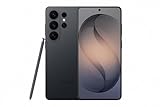


Top 3 picks at a glance
Quick comparison: camera phones ranked
| Rank | Phone | Best for | Key camera specs (per manufacturer) | Typical price |
|---|---|---|---|---|
| 1 | iPhone 17 Pro Max | Video, all-round use | 48MP main, 48MP ultra-wide, 48MP telephoto (4x, 8x optical-quality), 18MP front | $1,200–$1,600 |
| 2 | Google Pixel 10 Pro | Stills, low light, ease of use | 50MP main, 48MP ultra-wide, 48MP 5x telephoto, 42MP front | $1,000–$1,200 |
| 3 | Samsung Galaxy S25 Ultra | Zoom range, manual control | 200MP main, 50MP ultra-wide, 10MP 3x, 50MP 5x | $1,000–$1,300 |
| 4 | Xiaomi 15 Ultra | Enthusiast photography | 50MP 1-inch-type main, 50MP ultra-wide, 50MP 3x, 200MP 4.3x periscope | $1,100–$1,400 (import) |
| 5 | iPhone 17 | Best value flagship camera | 48MP main, 48MP ultra-wide, 18MP front | $800–$900 |
| 6 | Google Pixel 9a | Budget | 48MP main, 13MP ultra-wide | $400–$500 |
Prices are general market ranges and vary by storage, region and carrier deals. Camera specs can differ slightly by region, so check your local spec page before buying.
1. iPhone 17 Pro Max: best overall
This is the pick if you shoot a lot of video or share clips directly. Apple’s 4K Dolby Vision recording, stabilization and consistent exposure are the reference point other phones are measured against in published reviews. The 48MP telephoto gives you roughly 100mm and 200mm equivalent framing without leaning on weak digital crops, and the ultra-wide is now a true 48MP sensor, so it holds detail better than older 12MP ultra-wides.
Trade-off: It is the most expensive phone here, and the default processing leans toward a natural but slightly flat look, so stills sometimes need a tweak in the photographic styles. If you mostly shoot stills in tricky light, the Pixel below is often easier.
2. Google Pixel 10 Pro: best for stills and low light
The Pixel 10 Pro (and the larger Pro XL) is the “press the button and get a keeper” phone. Google’s HDR processing, Night Sight and Pro Res Zoom handle backlit faces, mixed lighting and dim restaurants well. The 5x telephoto is a strong portrait length at about 110mm equivalent, and the front camera is among the best for selfies and video calls.
Trade-off: Video is good but still a step behind the iPhone for stabilization and third-party app support. The sensors are also smaller than the Xiaomi’s main camera, so the edge comes from software rather than light-gathering hardware.
3. Samsung Galaxy S25 Ultra: best for zoom and flexibility
Samsung gives you four rear cameras with two separate telephoto lenses: 3x for portraits and 5x for distance. The 200MP main sensor allows a lossless-looking 2x crop. Expert RAW and 8K video recording are available for people who want control, and the S Pen-free body is now more rounded and comfortable than earlier Ultras.
Trade-off: Colors are punchier and skin tones can look warmer or more smoothed than Apple or Google. The 3x lens uses only a 10MP sensor, so it is the weak link when you crop in.
4. Xiaomi 15 Ultra: best for enthusiasts
The Xiaomi 15 Ultra pairs a large 1-inch-type main sensor with a 200MP periscope at about 4.3x. A bigger sensor collects more light per frame and gives natural background separation without relying on portrait mode. It suits photographers who edit and care about image quality over app polish.
Trade-off: Availability is limited in some markets, software support and update length trail Apple, Google and Samsung, and some regions lack carrier certification. Check bands and warranty before importing.
5. iPhone 17: best value flagship camera
The base iPhone 17 gets the same 48MP main and 48MP ultra-wide approach as the Pro, plus the improved 18MP front camera. You keep Apple’s video quality and 2x in-sensor crop for around $300–$600 less than a Pro Max.
Trade-off: No dedicated telephoto. Anything past 2x is a digital crop, so distant subjects and sports will look soft compared to the top three.
6. Google Pixel 9a: best budget camera phone
The Pixel 9a delivers Google’s processing on a 48MP main camera at roughly half the price of a flagship. Daylight photos, HDR and Night Sight look close to much pricier phones in published comparisons.
Trade-off: The 13MP ultra-wide is basic, there is no telephoto, and video stabilization is less polished.
How to choose: a decision matrix
| If you mostly… | Choose | Why |
|---|---|---|
| Shoot video, vlog, or post to social | iPhone 17 Pro Max or iPhone 17 | Stabilization, 4K HDR, wide app and accessory support |
| Take family photos in mixed or dim light | Pixel 10 Pro | Consistent HDR and Night Sight with little editing |
| Photograph kids’ sports, concerts, wildlife | Galaxy S25 Ultra or Xiaomi 15 Ultra | Two telephotos or a 200MP periscope hold detail at distance |
| Edit RAW and want shallow depth of field | Xiaomi 15 Ultra | Larger main sensor, more light per pixel |
| Spend under $500 | Pixel 9a | Flagship-style processing on a 48MP main camera |
Worked example: how far can you zoom before quality drops?
Digital zoom crops the sensor, so the pixel count falls with the square of the zoom factor beyond the optical lens. A 48MP telephoto at 5x optical gives this:
| Zoom | Crop vs. 5x sensor | Pixels remaining (48MP sensor) | Pixels remaining (200MP at 4.3x) |
|---|---|---|---|
| 1x of the lens (5x / 4.3x) | Full frame | 48MP (usually binned to 12MP) | 200MP (binned to 12.5MP) |
| 2x of the lens (10x / 8.6x) | 1/4 of pixels | 12MP | 50MP |
| 4x of the lens (20x / 17x) | 1/16 of pixels | 3MP | 12.5MP |
The point: a 4K frame needs about 8.3MP and a typical social-media photo needs 2–4MP. A 48MP telephoto is therefore fine for 4K video up to about 10–12x and acceptable for social photos around 20x, though AI sharpening does the rest. A 200MP periscope keeps true 12MP detail out to roughly 17x. This is the pixel math only; real results also depend on lens aperture, stabilization and processing.
Other criteria that change the ranking
- Update length: Google and Samsung advertise up to seven years of OS and security updates on current flagships, and Apple typically supports iPhones for around six or more. Camera algorithms improve with updates, so this matters for resale and long-term quality.
- Storage: A minute of 4K 60fps HEVC video is roughly 400MB, so a 30-minute event is around 12GB. Pick 256GB or more if you shoot video, and 512GB if you use RAW or ProRes-type formats.
- Telephoto count: One good telephoto beats two mediocre ones. Prioritize the lens you actually use, whether that is 2–3x for portraits or 5x for distance.
- Front camera: If you video call or vlog, the 42MP Pixel and 18MP iPhone fronts are significantly better than older 12MP selfie cameras.
Frequently Asked Questions
Which phone has the best camera overall in 2026?
For most people the iPhone 17 Pro Max is the best all-round camera phone, thanks to its video quality and three 48MP rear cameras. The Pixel 10 Pro often wins for photos in difficult lighting. The best choice depends on whether you shoot more video or more stills.
Does a higher megapixel count mean a better camera?
No. Sensor size, lens aperture, stabilization and image processing matter more than the headline number. Most phones bin pixels together, so a 200MP sensor typically outputs 12–50MP images. High megapixels mainly help when you crop or zoom.
Is the Pixel or iPhone better for photos?
The Pixel tends to deliver brighter, more processed HDR shots with less effort, while the iPhone offers more natural color and better video. If you mainly photograph people in mixed light, the Pixel is the safer pick. If you post video clips, the iPhone is usually better.
Can a budget phone take photos as good as a flagship?
In good daylight, a phone like the Pixel 9a comes close to flagships. The gap shows up in low light, zoom, ultra-wide detail and video stabilization. If you rarely zoom or shoot in the dark, a budget model is enough.
How much storage do I need on a camera phone?
256GB is the practical minimum if you shoot video, since 4K 60fps HEVC uses about 400MB per minute. Choose 512GB if you shoot RAW, long events or high-bitrate formats. Cloud backup helps, but local space affects how often you have to delete files.
Is the Xiaomi 15 Ultra worth importing?
It is worth considering if you want a large 1-inch-type main sensor and a strong periscope and do not mind limited local support. Check network bands, warranty coverage and software update policy first. If you want long updates and easy repairs, the Pixel or Galaxy is the safer buy.
Related guides
More from Amazon
Programs that pair well with the guide above. Offers and eligibility are set by Amazon and may change.
A free business account with business pricing and bulk-buying tools for work, shop or home office.
Create a business accountFree shipping on eligible items, Prime Video and more. Eligible new members can start with a free trial.
Start a Prime free trialAudiobooks and podcasts to listen to on the go. Eligible new members can start with a free trial.
Try Audible freeAd-free music streaming. Eligible new subscribers can start with a free trial.
Try Music Unlimited freeAs an Amazon Associate we earn from qualifying purchases.

