The best camera phone for a former Sprint customer in 2026 is the Google Pixel 10 Pro for point-and-shoot reliability, or the Samsung Galaxy S25 Ultra if you want maximum zoom and manual control. Sprint no longer exists as a network. It merged into T-Mobile, and its CDMA network was shut down in 2022. “Camera phones for Sprint” now means phones that work well on T-Mobile’s network, which also carries the old Sprint 2.5 GHz (band 41 / n41) spectrum.
As an Amazon Associate we earn from qualifying purchases at no extra cost to you.


Our Top Picks
Top 3 picks at a glance
What “Sprint” means for phone shopping in 2026
Sprint customers were migrated to T-Mobile, so any current phone sold for the US market that supports T-Mobile’s bands will work for you. The one band to confirm is n41, the 2.5 GHz mid-band 5G that T-Mobile built largely on Sprint’s old spectrum. The phones below all support it, according to their manufacturers’ spec sheets. If you still own an old Sprint-branded phone, it is probably not worth keeping for photography. Newer sensors and processing have moved far ahead of anything from the Sprint era.
Two practical points matter more than the carrier. First, buy an unlocked model or a carrier model that unlocks after payoff, so you can switch plans later. Second, check eSIM support. All the flagships below support it, and it makes moving a line from an old Sprint plan much simpler.
Quick comparison of the picks
| Pick | Best for | Key camera specs (manufacturer) | Price range |
|---|---|---|---|
| Google Pixel 10 Pro / Pro XL | Best overall, stills and low light | 50 MP main, 48 MP ultrawide, 48 MP 5x telephoto | Premium |
| Samsung Galaxy S25 Ultra | Zoom and manual control | 200 MP main, 50 MP ultrawide, 10 MP 3x tele, 50 MP 5x tele | Premium (top end) |
| Apple iPhone 17 Pro / Pro Max | Video and creators | Three 48 MP rear cameras (main, ultrawide, telephoto), 18 MP front | Premium |
| Google Pixel 10 | Best value flagship | 48 MP main, 13 MP ultrawide, 5x telephoto | Upper mid-range |
| Google Pixel 9a | Best budget camera | 48 MP main, 13 MP ultrawide, large battery | Mid-range |
| Samsung Galaxy A56 5G | Budget Android with a bright screen | 50 MP main, 12 MP ultrawide, 5 MP macro | Mid-range |
Best overall: Google Pixel 10 Pro
The Pixel 10 Pro is the safest choice if you want good photos without thinking about settings. Its three rear cameras cover ultrawide, main and 5x telephoto. Google’s processing is known for dependable skin tones, strong HDR and good low-light stills. The Pro XL has the same camera hardware in a larger body.
Trade-off: Video is good but is usually considered a notch behind the iPhone’s. Sustained 4K60 recording also warms the phone.
Best for zoom and manual control: Samsung Galaxy S25 Ultra
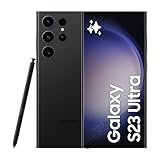
The S25 Ultra has the most flexible camera array here. It pairs a 200 MP main sensor with both a 3x and a 5x telephoto, so mid-range portraits and distant subjects both get a true optical lens. Samsung’s Pro mode and the Expert RAW app give you the most manual control of any Android phone in this list.
Trade-off: It is the largest and heaviest option, and Samsung’s default processing is punchier and more saturated than the Pixel’s. Many people turn the scene optimizer down.
Best for video and creators: iPhone 17 Pro
If you shoot video for social media or YouTube, the iPhone 17 Pro remains the benchmark for stabilization, consistent color between lenses, and accessory support. All three rear lenses use 48 MP sensors, so switching between ultrawide, main and telephoto looks consistent in a single edit. The iPhone 17 Pro Max has the same camera system in a bigger body with more battery.
Trade-off: Premium pricing and a premium storage-upgrade ladder. You’ll also be leaving the Android ecosystem if you’re coming from an old Sprint Android phone.
Best value flagship: Google Pixel 10
The base Pixel 10 gets you the same software processing as the Pro with a simpler camera set. It has a main, an ultrawide and a 5x telephoto, which is unusual below the Pro tier. It suits most people who mainly shoot family, pets and travel.
Trade-off: The ultrawide sensor is smaller (13 MP) and the telephoto is a lower-resolution unit, so zoomed shots in dim light are softer than on the Pro.
Best budget camera phone: Google Pixel 9a
The Pixel 9a puts Google’s image processing in a mid-range body. Its 48 MP main camera is the reason to buy it, and it handles daylight and moderate low-light shots well. It also has a big battery, so a day of heavy photo use is realistic.
Trade-off: There is no telephoto lens, so any zoom beyond 2x is digital crop. Video features are a step below the flagships.
Best budget Android alternative: Samsung Galaxy A56 5G
If you prefer Samsung’s software, the Galaxy A56 5G gives you a 50 MP main camera, a 12 MP ultrawide and a bright AMOLED display for framing shots outdoors. It’s a reasonable pick for general-purpose photography.
Trade-off: The 5 MP macro camera adds little. Low-light shots and fast-moving subjects are weaker than on the Pixel 9a.
How to choose: the numbers that matter
1. Calculate your storage need
Camera phones fill storage faster than most buyers expect. Typical 4K60 HEVC video runs at roughly 400 MB per minute, though it varies by phone and codec setting. A 48 MP photo often takes 4 to 6 MB.
- Video: 20 minutes of 4K60 per week x 400 MB = about 8 GB per week, or about 416 GB over 52 weeks.
- Photos: 600 per month x 4 MB = about 2.4 GB per month, or about 29 GB per year.
- Total: roughly 445 GB per year, before apps and system files.
A 256 GB phone fills in well under a year at that pace unless you back up to the cloud and delete. Heavy video shooters should buy 512 GB or plan for a cloud subscription. If you mostly shoot photos, 128 GB to 256 GB is fine.
2. Understand what crop zoom really gives you
Megapixel counts mislead at zoom. A 48 MP sensor cropped 2x in the center yields about 12 MP (48 / 4). A 200 MP sensor cropped 4x yields about 12.5 MP (200 / 16). That is why a phone with a true telephoto lens beats a high-megapixel main camera once you pass about 3x. If you often shoot sports, kids’ events or wildlife, treat a 5x telephoto as a requirement rather than a bonus.
3. Match the phone to your situation
| Your situation | Best choice | Why |
|---|---|---|
| Want great photos with no tweaking | Pixel 10 Pro or Pixel 10 | Consistent HDR and skin tones |
| Shoot distant subjects often | Galaxy S25 Ultra | Two optical telephotos (3x and 5x) |
| Make video content | iPhone 17 Pro | Consistent color across three 48 MP lenses |
| Tight budget, mostly daylight shots | Pixel 9a | 48 MP main with Google processing |
| Prefer Samsung software on a budget | Galaxy A56 5G | Bright AMOLED, solid main camera |
| Heavy 4K60 video, no cloud | Any flagship, 512 GB or more | About 445 GB per year in the example above |
4. Check the practical items
- Unlocked status: Buy unlocked, or a carrier model that unlocks after payoff, so you are not tied to one plan.
- n41 support: Confirm it on the spec sheet for any model not named here, since it is the band most tied to the old Sprint footprint.
- Update period: Pixel and Galaxy flagships promise multiple years of updates, according to their manufacturers, which keeps camera software improving over time.
- Battery: Camera use drains batteries quickly. Prefer a large-battery model if you shoot long video clips on the go.
Frequently Asked Questions
Does Sprint still exist?
No. Sprint merged with T-Mobile in 2020, and its CDMA network was shut down in 2022. Former Sprint customers now use T-Mobile’s network, so a phone only needs to support T-Mobile’s bands.
Will my old Sprint phone still work?
Only if it supports T-Mobile’s LTE or 5G bands and is unlocked or has been moved to T-Mobile. Older CDMA-only phones no longer work at all. Even if one connects, its camera will be far behind current models.
Which phone is best for low-light photos?
The Pixel 10 Pro and the Galaxy S25 Ultra are usually the strongest in published reviews for night photography. The Pixel tends to look more natural, while the Samsung is brighter and more processed. The iPhone 17 Pro is also very good, particularly for video in dim scenes.
Is a cheaper phone enough for good photos?
Yes, if you mostly shoot in daylight and don’t need optical zoom. The Pixel 9a delivers a lot of flagship-style image processing at a mid-range price. You give up the telephoto and some video features, and low-light results are weaker than on the Pro models.
How much storage should I buy for a camera phone?
Photo-focused users can do well with 128 GB to 256 GB if they back up regularly. If you shoot 4K60 video, the example above works out to around 445 GB per year, so choose 512 GB or more, or commit to offloading files to cloud or local storage.
Do I need a telephoto lens?
If you often zoom beyond 3x, yes. Cropping a main sensor at 4x or more leaves around 12 MP and visibly softer detail. A true 5x telephoto, as on the Pixel 10 series and several flagships, keeps shots sharper at distance.
Related guides
More from Amazon
Programs that pair well with the guide above. Offers and eligibility are set by Amazon and may change.
A free business account with business pricing and bulk-buying tools for work, shop or home office.
Create a business accountFree shipping on eligible items, Prime Video and more. Eligible new members can start with a free trial.
Start a Prime free trialAudiobooks and podcasts to listen to on the go. Eligible new members can start with a free trial.
Try Audible freeAd-free music streaming. Eligible new subscribers can start with a free trial.
Try Music Unlimited freeAs an Amazon Associate we earn from qualifying purchases.


