The best binoculars for Alaska for most visitors are a waterproof 8×42 such as the Nikon Monarch M5 8×42. Choose a 10×42 if you will mostly glass open tundra, ridgelines and distant bears, and a 7×50 if you spend your time on boats and in long twilight. Whatever you pick, buy a nitrogen- or argon-purged, fully waterproof model with long eye relief, because rain, cold, fog and bug nets break more binoculars than any spec shortfall.
As an Amazon Associate we earn from qualifying purchases at no extra cost to you.


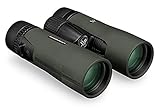
Top 3 picks at a glance
Quick comparison of the picks
| Pick | Best for | Key specs (per manufacturer spec sheets, approximate) | Typical price |
|---|---|---|---|
| Nikon Monarch M5 8×42 | Best overall | 8x, 42 mm, ED glass, waterproof/fogproof, about 21 oz | $450–$650 |
| Vortex Diamondback HD 10×42 | Best budget | 10x, 42 mm, HD glass, waterproof/fogproof, about 21–22 oz | $200–$320 |
| Swarovski EL 8×42 | Best premium | 8x, 42 mm, wide field, waterproof, about 28–29 oz | $2,500–$3,500 |
| Fujinon 7×50 FMTRC-SX | Best for boats and cruises | 7x, 50 mm, 7.1 mm exit pupil, rugged marine build, about 2.5 lb | $400–$650 |
| Canon 10x42L IS WP | Best stabilized | 10x, 42 mm, image stabilization, waterproof, AA batteries, about 2.5 lb | $1,200–$1,800 |
What makes Alaska different from a normal binocular trip
Alaska rewards distance viewing. The animals you care about, such as brown bears, moose, Dall sheep, caribou and whales, are often a quarter mile or more away. Park rules also push you back. According to National Park Service guidance, Denali asks visitors to stay at least 300 yards from bears, so your binoculars do the approaching for you.
The conditions are also hard on gear. Expect rain, salt spray on the Inside Passage, 30-40°F glacier-cruise wind, mosquitoes (so a head net sits between your eyes and the eyecups), and light that swings from midnight sun to a dim 10 p.m. forest. These factors shape the criteria below.
Best overall: Nikon Monarch M5 8×42
An 8×42 is the safest single pair for a mixed Alaska trip covering a bus tour, a hike, a boat and a lodge deck. The Monarch M5 combines ED glass, a waterproof and fogproof sealed body, and a comfortable field of view that makes it easy to find a moving moose or a breaching whale. It also stays reasonably steady without a tripod.
Trade-off: 8x shows less detail than 10x on a far-off sheep or a bear at 400+ yards, and it costs more than entry-level glass.
Best budget: Vortex Diamondback HD 10×42
The Diamondback HD 10×42 is the pick if you want reach without spending much. Vortex sells it with its VIP warranty, which matters for a trip where a drop on rocks or a deck is likely. It is waterproof and fogproof per the manufacturer, and it gives a clear 10x view for ridgeline glassing.
Trade-off: expect softer edges and more color fringing in high-contrast scenes, such as a bright glacier against dark rock, than you get from a premium pair. Hand shake is also more noticeable at 10x if you are tired or cold.
Best premium: Swarovski EL 8×42
If you travel to Alaska repeatedly, or you photograph and watch wildlife seriously, the EL 8×42 gives a very wide, sharp, bright image and handles low-light viewing at the edges of the day. The open-bridge design also fits gloved hands well.
Trade-off: the price is several times that of the Monarch. The brightness gain is real but small in daylight. The heavier weight is noticeable over a long day on a neck strap, so budget for a chest harness.
Best for boats and cruises: Fujinon 7×50 FMTRC-SX
The 7×50 format is the classic marine choice. The big 7.1 mm exit pupil is forgiving when the deck is rolling and your eyes can’t hold the exact alignment point. Its 7x magnification is also easier to steady on a moving vessel than 10x. It suits Kenai Fjords tours, Inside Passage sailings and Prince William Sound day cruises.
Trade-off: it is heavy and bulky for backpacking, and the lower magnification is a handicap when you glass a distant shoreline from land.
Best stabilized: Canon 10x42L IS WP
Image stabilization is a strong answer to the Alaska problem of high magnification plus cold, tired hands. Press the button and the 10x image settles enough to pick out ear tags, antler points or the fin of a distant orca. It is waterproof, and it is a good choice for bear-viewing platforms and boat decks.
Trade-off: it needs batteries (AA), and alkaline cells weaken fast in the cold. Carry lithium AAs and keep the spares in an inside pocket. It is also heavy and expensive.
The numbers: magnification, brightness and distance
Magnification divides distance. A bear at 300 yards through 10x binoculars looks about as close as a bear at 30 yards to the naked eye (300 ÷ 10). Through 8x it looks like 37.5 yards, and through 7x like 43 yards. That 10x versus 8x gap is about 25% more apparent size, which is what shows up when you are identifying a sheep’s horn curl or counting cubs.
Brightness matters more in Alaska than in most places because of long twilight and dense forest. Two simple figures help:
- Exit pupil = objective diameter ÷ magnification. This is the beam of light that reaches your eye, and a larger one is easier to line up and brighter in dim light.
- Twilight factor = √(magnification × objective diameter). A higher number means better detail in dim light.
| Format | Exit pupil | Twilight factor | Typical real field of view | Best use in Alaska |
|---|---|---|---|---|
| 8×32 | 4.0 mm | 16.0 | about 380–420 ft at 1,000 yd | Light packing, day hikes |
| 8×42 | 5.25 mm | 18.3 | about 380–420 ft | All-round, forests and boats |
| 10×42 | 4.2 mm | 20.5 | about 300–345 ft | Open tundra, bear and sheep viewing |
| 7×50 | 7.14 mm | 18.7 | about 380–400 ft | Boats, twilight, shaky platforms |
Field of view figures vary by model, so check the manufacturer’s spec sheet. The pattern is consistent, though. A 10×42 has the highest twilight factor of the group, which means more detail in dim light, but its exit pupil is smaller than the 8×42’s. In practice it is harder to hold steady and a little less forgiving of eye position. A 7×50 gives the largest exit pupil, which is the main reason it works on a moving boat.
Decision matrix: match your trip to a pair
| Your situation | Choose | Why |
|---|---|---|
| One pair for a 7–10 day mixed trip | 8×42 (Nikon Monarch M5) | Wide view, steady, bright, versatile |
| Denali bus tour and open-tundra glassing | 10×42 (Vortex Diamondback HD) | Extra reach for animals 300+ yards away |
| Glacier and wildlife cruise, small boat | 7×50 (Fujinon) | Big exit pupil, easier to hold on a moving deck |
| Bear-viewing platform or fly-in lodge | 10×42 IS (Canon) or 8×42 | Long, still observation; stabilization helps with fatigue |
| You wear glasses or a head net | Any model with 15 mm+ eye relief | Keeps the full field visible |
| Backpacking with weight limits | 8×32 compact | Saves about 6–10 oz over a full-size 42 mm |
| Repeat Alaska traveler, wants the best | Swarovski EL 8×42 | Sharpest, brightest, lasts decades |
How to choose: Alaska-specific criteria
- Waterproof and fogproof: look for O-ring sealing and nitrogen or argon purging. Fog inside the barrels is common when you go from a warm cabin into near-freezing air.
- Eye relief of 15 mm or more: this lets you see the full field through glasses, sunglasses against glacier glare, or a bug net.
- Twist-up eyecups with positive click stops: they are easier to adjust with gloves.
- Glass quality: ED, HD or fluorite glass reduces color fringing on high-contrast scenes such as dark animals against snow.
- Weight under about 2 lb for full-size models: you may carry them all day. Use a chest harness rather than a neck strap.
- Warranty: the manufacturer’s coverage terms matter more than a few extra spec points if your pair takes a fall.
Cold-weather and field handling tips
- Keep binoculars inside your jacket on cold mornings, then let them acclimate gradually to cut fogging.
- Use rainguards and lens caps, and wipe salt spray with a damp cloth before a dry one to avoid scratching coatings.
- Use rocks, backpacks or a vehicle window ledge to brace your elbows. At 10x, bracing helps as much as any optical upgrade.
- Pack lithium AAs if you choose a stabilized model, and keep spares warm.
Frequently Asked Questions
Are 8×42 or 10×42 binoculars better for Alaska?
8×42 is better for most visitors because it is steadier, gives a wider field of view and is easier to use on a boat or in forest. 10×42 is better if most of your viewing is on open terrain, such as Denali, the Kenai tundra or Katmai flats, where animals are far away. If you can only buy one pair for a mixed itinerary, choose 8×42.
Do I need 7×50 binoculars for an Alaska cruise?
You do not strictly need them, but they are the most forgiving option on a moving deck. The 7.1 mm exit pupil makes it easier to keep a bright image in view when the boat rocks. An 8×42 also works well and is more versatile if you plan to use the pair on land.
How far should I be from bears, and can binoculars help?
Per National Park Service guidance, Denali asks visitors to stay at least 300 yards from bears, and other parks and bear-viewing areas set their own distances. Binoculars let you watch from that range. A 10x pair makes a bear at 300 yards look like it is about 30 yards away, so you can see behavior without approaching.
Are compact binoculars good enough for Alaska?
They are fine for day hikes and travel where weight matters most. An 8×32 has a 4.0 mm exit pupil versus 5.25 mm for an 8×42, so it is noticeably dimmer in forest and at dusk. Take a 42 mm pair if low-light wildlife viewing is a priority.
Is image stabilization worth the extra cost?
It is worth it if you plan to use 10x or higher for long periods, if you have shaky hands, or if you watch from boats and bush planes. It adds weight, needs batteries that struggle in the cold, and costs much more than a standard pair. For many travelers, a good 8×42 with elbow bracing is the better value.
Will binoculars fog up in Alaska’s weather?
Sealed, nitrogen- or argon-purged binoculars should not fog internally. Outer lenses can still fog when you move from warm to cold air, or when you breathe on them. Let them acclimate and carry a microfiber cloth.
Related guides
More from Amazon
Programs that pair well with the guide above. Offers and eligibility are set by Amazon and may change.
A free business account with business pricing and bulk-buying tools for work, shop or home office.
Create a business accountFree shipping on eligible items, Prime Video and more. Eligible new members can start with a free trial.
Start a Prime free trialAudiobooks and podcasts to listen to on the go. Eligible new members can start with a free trial.
Try Audible freeAd-free music streaming. Eligible new subscribers can start with a free trial.
Try Music Unlimited freeAs an Amazon Associate we earn from qualifying purchases.


