The best affordable mattress set for most people is a 10–12 inch medium-firm hybrid (coils plus foam) with a matching foundation, usually priced at $500–$900 in queen size. If your budget is tighter, an 8–10 inch all-foam or innerspring set at $250–$500 is fine for guest rooms, dorms and short-term use. This guide covers the spec classes worth buying, how to calculate real cost per night, and how to fit a bed into a room that also holds a gaming desk.
As an Amazon Associate we earn from qualifying purchases at no extra cost to you.


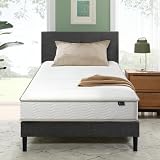
Top 3 picks at a glance
Quick comparison of the best affordable mattress set types
Brand lineups change often, so the picks below are spec classes rather than single models. Use the specs to filter any retailer’s catalog. Prices are general queen-size market ranges.
| Pick | Best for | Key specs | Typical price (queen) |
|---|---|---|---|
| Best overall: medium-firm hybrid set | Most adults, couples, mixed sleep positions | 10–12″ tall, 12.5–14 gauge pocketed coils, 2–3″ foam comfort layers, 4–5″ foundation | $500–$900 |
| Best budget: 8″ foam or innerspring set | Guest rooms, dorms, short-term rentals | 8–9″ tall, 1.5–1.8 lb/ft³ support foam, basic coil or foam core | $250–$500 |
| Best for side sleepers: memory foam set | Shoulder and hip pressure relief | 10–12″ tall, 2–3″ memory foam at 3–4 lb/ft³, medium feel | $400–$800 |
| Best for hot sleepers: coil-forward hybrid | People who overheat or sleep in warm rooms | Thin (1–2″) gel or open-cell foam top, pocketed coils, breathable cover | $550–$950 |
| Best for heavier sleepers: firm high-density hybrid | Over roughly 230 lb per sleeper | 12–13″ tall, 13 gauge or thicker coils, 1.8+ lb/ft³ base foam, firm feel | $700–$1,100 |
| Best for small rooms: Twin XL or Full set | Dorms, studios, desk-heavy bedrooms | 38×80″ or 54×75″, 8–10″ tall | $200–$550 |
Best overall: medium-firm hybrid set
A hybrid pairs a pocketed-coil core with foam on top, so you get edge support, airflow and some pressure relief at a mid-range price. Medium-firm (about 5–7 on a 10-point firmness scale) is the safest choice because it suits back, stomach and combination sleepers. The trade-off is weight: a queen hybrid often weighs 70–100 lb, so moving it up stairs is a two-person job.
Best budget: 8-inch foam or innerspring set
If you need a bed for under $400 and don’t plan to keep it past 3–4 years, a basic set does the job. Expect thinner comfort layers and lower-density foam, which soften faster. The trade-off is durability, so check the sag warranty before you rely on the long warranty headline.
Best for side sleepers: memory foam set
Side sleepers need the shoulder and hip to sink in a little so the spine stays level. A 2–3 inch memory foam layer over a supportive base does this at a lower price than most hybrids. The trade-off is heat retention. Look for open-cell, gel-infused or perforated foam if you sleep warm.
Best for hot sleepers: coil-forward hybrid
Coils let air move through the mattress, and a thin comfort layer limits trapped heat. This suits people who sit in a warm room running a gaming PC for hours, then go straight to bed. The trade-off is less contouring than a thick memory foam top.
Best for heavier sleepers: firm high-density hybrid
Heavier sleepers compress foam faster, so the base foam density and coil gauge matter more. A lower gauge number means thicker wire, so 13 gauge is sturdier than 14. Look for 1.8 lb/ft³ or denser base foam and a manufacturer-stated weight rating. The trade-off is price, since this class sits at the top of the “affordable” range.
Best for small rooms: Twin XL or Full set
Twin XL (38×80 in) suits tall single sleepers. Full (54×75 in) gives more width in rooms where a desk takes the floor space. Both cost noticeably less than a queen and are easier to move. The trade-off is that two adults will find a full cramped.
How to choose: decision criteria with numbers
1. Calculate cost per night, not sticker price
A cheap set that wears out early is not cheaper. Divide price by expected nights of use.
| Set price | Realistic lifespan | Nights | Cost per night |
|---|---|---|---|
| $300 | 4 years | 1,460 | about $0.21 |
| $600 | 8 years | 2,920 | about $0.21 |
| $1,200 | 10 years | 3,650 | about $0.33 |
The lifespans are planning assumptions, not guarantees. The point is that a $600 set only has to last twice as long as a $300 one to match its nightly cost. Dense foam and heavier coils make that likely, and that is where the extra money goes.
2. Check the foam and coil specs
- Support foam: 1.8 lb/ft³ or higher. Below that, expect early sagging.
- Memory foam comfort layer: 3 lb/ft³ or higher for durability.
- Coils: pocketed coils with 12.5–14 gauge wire; 400+ coils in a queen is a common mid-range figure.
- Height: 10 inches or more for adults. Thin 6–8 inch mattresses suit kids’ beds and bunks.
3. Understand the “set” part: foundation vs. box spring
Modern sets often include a foundation, which is a rigid slatted or solid base with no springs. It works with foam and hybrid mattresses. Traditional box springs are mainly for older innerspring designs. Check the mattress maker’s stated base requirements, because the wrong base can void the warranty. Also add heights: a 10 inch mattress on a 5 inch foundation puts the sleeping surface at about 15 inches before any frame. Many adults prefer a top surface of roughly 20–25 inches, so a low-profile frame may be enough.
4. Fit the bed to the room
Aim for at least 30 inches of walkway. Take a 9×10 ft room (108×120 in) with a 24-inch-deep desk along the side wall and the bed headboard against the 108-inch wall.
- Queen (60×80 in): 108 − 60 = 48 in of side space. After the 24 in desk, 24 in of walkway remains, which is too tight.
- Full (54×75 in): 108 − 54 = 54 in. After the desk, 30 in of walkway remains, which is workable.
Measure your own room the same way before you pick a size.
5. Match the choice to your situation
| Your situation | Choose | Why |
|---|---|---|
| Solo sleeper, small bedroom with a desk | Full hybrid or foam set | Preserves a 30″+ walkway |
| Couple, normal bedroom | Queen medium-firm hybrid | Good edge support and motion isolation |
| Side sleeper with shoulder pain | Memory foam set, medium | Deeper pressure relief |
| Sleep hot | Coil-forward hybrid | More airflow, less trapped heat |
| Over 230 lb | Firm 12″+ hybrid | Denser foam and thicker coils resist sagging |
| Temporary or guest use | 8–9″ budget set | Lowest cost for short-term use |
6. Read the fine print
- Sleep trial: 100 nights is common for online sellers. Check for return fees and whether the mattress must be picked up.
- Warranty: 10 years is typical, but most only cover sagging beyond a depth, often 1–1.5 inches.
- Certifications: CertiPUR-US or OEKO-TEX indicate foam and fabric testing for certain chemicals and emissions.
- Delivery: boxed mattresses may need 24–72 hours to fully expand, per most manufacturers’ setup guidance.
Frequently Asked Questions
How much should I spend on an affordable mattress set?
For a queen, $500–$900 is the range where you usually get denser foam and sturdier coils without paying for luxury features. Under $400 is acceptable for short-term use. Compare cost per night rather than the upfront price.
Do I need a box spring with a mattress set?
Not always. Foam and hybrid mattresses usually need a solid or slatted foundation, while older innerspring mattresses may use a box spring. Follow the manufacturer’s base requirements so the warranty stays valid.
Is a hybrid or all-foam set better on a budget?
Hybrids cost a bit more but sleep cooler and have stronger edges. All-foam sets are cheaper and quieter, and they suit side sleepers and lighter people. Pick based on how hot you sleep and how much you weigh.
How long should an affordable mattress set last?
Budget sets commonly last 4–6 years, and better-built mid-range hybrids 7–10 years, depending on sleeper weight and use. Rotating the mattress head-to-foot every few months can help even out wear unless the maker says not to.
Which size works best in a small gaming bedroom?
A full or Twin XL usually leaves room for a desk and a 30-inch walkway. A queen fits only when the room is wide enough, so measure the floor space first.
Are long sleep trials worth using?
Yes. Most people need 2–4 weeks to adjust to a new mattress, so a 100-night trial gives you time to judge it fairly. Check the return terms before buying, including who pays for pickup.
Related guides
More from Amazon
Programs that pair well with the guide above. Offers and eligibility are set by Amazon and may change.
A free business account with business pricing and bulk-buying tools for work, shop or home office.
Create a business accountFree shipping on eligible items, Prime Video and more. Eligible new members can start with a free trial.
Start a Prime free trialAudiobooks and podcasts to listen to on the go. Eligible new members can start with a free trial.
Try Audible freeAd-free music streaming. Eligible new subscribers can start with a free trial.
Try Music Unlimited freeAs an Amazon Associate we earn from qualifying purchases.


