The best affordable dinner set for most people is a 16- to 18-piece tempered-glass or porcelain set in the $30-$70 range, because both materials resist chips, survive dishwashers and microwaves, and cost less per place setting than stoneware. Stoneware looks better but usually costs more and chips more easily, and melamine is the cheapest option but is not microwave-safe. This guide covers the decision criteria, a piece-count calculation, and a matrix that matches your situation to a material.
It is a little off our usual hardware beat, but a desk-heavy, late-night-session household eats a lot of meals off a lap tray or desk edge. Durability, weight and washing frequency matter more than pattern.
As an Amazon Associate we earn from qualifying purchases at no extra cost to you.


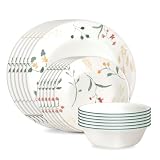
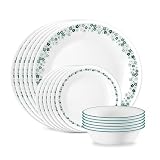
Our Top Picks
Top 3 picks at a glance
Quick comparison of the best affordable dinner set types
| Pick | Best for | Key specs | Typical price |
|---|---|---|---|
| Tempered-glass set (Corelle Vitrelle-style) | Best overall | 16-18 pieces, thin and light, chip-resistant, microwave and dishwasher safe | Usually $30-$70 |
| Porcelain or ceramic basics (IKEA 365+-style) | Best budget and mix-and-match | Sold by the piece or in 16-18 piece sets, oven-safe on many lines, stackable shapes | Usually $25-$60 |
| Glazed stoneware (Pfaltzgraff or Mikasa-style) | Best looking | 16-piece sets, heavier, reactive or speckled glazes, can chip at the rim | Usually $50-$120 |
| Melamine set | Best for outdoors, kids and LAN nights | Very light, nearly unbreakable, not microwave-safe, can stain or scratch | Usually $20-$50 |
Brand names above are examples of each class. Lines and set sizes change, so check the current spec listing before you buy.
Best overall: tempered-glass set
Tempered-glass sets in the style of Corelle Vitrelle are the safest default. Per the manufacturer’s descriptions, the material is a laminated, tempered glass that is thin, lightweight and designed to resist chipping and breaking. A 16- or 18-piece set usually covers four place settings (dinner plate, small plate, bowl, plus a mug in some sets).
Who it suits: households that wash daily, microwave leftovers and want a set that lasts years.
Trade-off: the designs are plainer, and when glass does fail it can shatter rather than chip. Because the plates are thin, they can also feel hot to hold after microwaving.
Best budget: porcelain or ceramic basics
Simple white porcelain or ceramic lines, such as IKEA’s 365+ range, are the cheapest way to build a set you can expand. Many of these lines sell plates and bowls individually, so you can buy exactly the count you need and replace a broken piece for a few dollars.
Who it suits: first apartments, shared houses, and anyone who expects occasional breakage.
Trade-off: the glaze can show cutlery marks over time, and thicker pieces are heavier than glass. Check each line’s listing for oven and microwave ratings, as they vary.
Best looking: glazed stoneware
Stoneware sets in the Pfaltzgraff or Mikasa style have thicker walls, which hold heat well and look better on a table. Prices rise quickly, but 16-piece sets still often land under $100.
Who it suits: people who host and want a set that photographs well.
Trade-off: weight and chip risk. Thick rims chip on impact, and a stack of four plates is noticeably heavy on a desk tray. Look for a dishwasher-safe, microwave-safe label, because some hand-finished glazes are not.
Best for kids, outdoors and LAN nights: melamine
Melamine is the cheapest and most drop-tolerant option. It suits a patio, a LAN party, or a household with young children.
Trade-off: it should not go in a microwave, and hot or acidic foods can stain it over time. Many manufacturers also recommend top-rack dishwasher washing only, so read the care label.
Worked example: how many pieces do you actually need?
Piece count is where most budget buyers overspend or underbuy. Use this formula:
- Dinner plates needed = people x meals per day on a plate x days between dishwasher runs, plus 2 spares.
- Bowls needed = the same calculation for bowl meals.
Say two people eat two plated meals a day and run the dishwasher every two days: 2 x 2 x 2 = 8 plates, plus 2 spares = 10. A standard 16-piece set has only 4 dinner plates and 4 bowls, so it covers about one day of use. You have two options:
- Run the dishwasher daily: 2 x 2 x 1 = 4 plates, so the 16-piece set works with no spares.
- Buy two 16-piece sets, or one 32-piece set, or buy extra plates individually from an open-stock line.
Cost per place setting is the fair way to compare:
| Example set | Price | Place settings | Cost per setting |
|---|---|---|---|
| 16-piece glass set | $45 | 4 | $11.25 |
| 16-piece stoneware set | $90 | 4 | $22.50 |
| 32-piece porcelain set | $80 | 8 | $10.00 |
| 12 open-stock plates + 12 bowls (porcelain) | $72 at $3 each | 12 plates and bowls | $6.00 per plate-and-bowl pair |
These prices are illustrative, not quotes. They show why a bigger set or open-stock buying often beats a small boxed set.
Weight check for desk trays
If you carry meals to a desk, weight adds up. Approximate figures, which vary by line: a 10-inch stoneware dinner plate is often around 1.2-1.6 lb, porcelain around 1.0-1.3 lb, tempered glass about 0.7-0.9 lb, and melamine about 0.4-0.6 lb. A tray with a plate and bowl for each of two people therefore carries roughly 4-6 lb of stoneware but only 3-4 lb of glass. Check the product’s listed weight if it is given.
Decision matrix: match your situation to a set
| Your situation | Choose | Why |
|---|---|---|
| Microwave leftovers daily, wash daily | Tempered glass or microwave-rated porcelain | Thermal tolerance and low weight |
| Tight budget, expect breakage | Open-stock porcelain | Replace single pieces for a few dollars |
| Hosting four or more people | 32-piece porcelain or stoneware | Enough plates for one wash cycle |
| Kids, patio, LAN party | Melamine | Hard to break; skip the microwave |
| Want a nicer table look | Stoneware with a rim-friendly shape | Visual appeal, with higher cost and weight |
| Small cabinet space | Stackable glass or flat-rim porcelain | Thin walls and flat profiles stack neatly |
How to choose: the checks that matter
- Care labels: confirm microwave, dishwasher and oven ratings on the manufacturer’s page, not just the box art.
- Plate diameter: a 10- to 10.5-inch dinner plate fits most meals. Anything over 11 inches can crowd a small desk or dishwasher rack.
- Rim shape: rounded or rolled rims chip less often than sharp, thin edges.
- Dishwasher fit: measure your rack. Very wide bowls often do not fit lower-rack slots.
- Lead and cadmium claims: look for compliance statements. In the US, dinnerware sold for food use must meet FDA limits on leachable lead and cadmium, and reputable makers state this.
- Glaze finish: speckled or matte glazes hide scratches better than glossy white.
Frequently Asked Questions
What is the cheapest durable material for a dinner set?
Tempered glass and porcelain offer the best durability for the price. Melamine is often cheaper but cannot go in the microwave and may stain. For most households, glass or basic porcelain is the better value.
How many pieces should a starter dinner set have?
For one or two people who wash daily, a 16-piece set covering four place settings is enough. If you run the dishwasher every other day or host guests, aim for 32 pieces or buy extra plates and bowls individually.
Is stoneware worth the extra cost?
Only if appearance and heat retention matter to you. Stoneware usually costs more per place setting, weighs more and can chip at the rim, so it is not the best choice if budget and durability come first.
Are cheap dinner sets safe to eat from?
Dinnerware sold for food use in the US must comply with FDA limits on lead and cadmium leaching. Buy from established makers or retailers that state compliance, and avoid unmarked decorative ceramics with painted glazes on the eating surface.
Can I mix and match different sets?
Yes, and it is often cheaper. Stick to one neutral color, such as white or grey, and keep plate diameters within about half an inch of each other so they stack and fit the dishwasher rack.
Should I buy a boxed set or open stock?
Open stock gives you exactly the plates and bowls you need and makes replacements cheap. A boxed set is simpler and often has a lower upfront price per piece when you need a full setup at once.
Related guides
More from Amazon
Programs that pair well with the guide above. Offers and eligibility are set by Amazon and may change.
A free business account with business pricing and bulk-buying tools for work, shop or home office.
Create a business accountFree shipping on eligible items, Prime Video and more. Eligible new members can start with a free trial.
Start a Prime free trialAudiobooks and podcasts to listen to on the go. Eligible new members can start with a free trial.
Try Audible freeAd-free music streaming. Eligible new subscribers can start with a free trial.
Try Music Unlimited freeAs an Amazon Associate we earn from qualifying purchases.


