The best Android phone for most people in 2026 is the Google Pixel 10 for its clean software and seven years of updates. The Samsung Galaxy S25 Ultra is the pick for a big screen and top performance, and the OnePlus 13 is the pick for battery life. The query “best ads for smartphones” most likely means “best Android smartphones”, so this guide covers that and also which phones push the fewest system ads and how to switch off the rest.
As an Amazon Associate we earn from qualifying purchases at no extra cost to you.
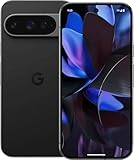


Our Top Picks
Top 3 picks at a glance
Quick comparison of the picks
| Pick | Best for | Key specs (per manufacturer) | Typical price |
|---|---|---|---|
| Google Pixel 10 | Best overall, cleanest software | 6.3″ 120Hz OLED, Tensor G5, ~4,970 mAh, 7 years of updates | $700–$900 |
| Samsung Galaxy S25 Ultra | Best flagship, large screen | 6.9″ 120Hz, Snapdragon 8 Elite for Galaxy, 5,000 mAh, 45W wired, 7 years of updates | $1,100–$1,300 |
| OnePlus 13 | Best battery and charging | 6.82″ 120Hz, Snapdragon 8 Elite, ~6,000 mAh, 80–100W wired (varies by region) | $800–$1,000 |
| Google Pixel 9a | Best mid-range value | 6.3″ 120Hz OLED, Tensor G4, ~5,100 mAh, 7 years of updates | $450–$550 |
| Samsung Galaxy A56 5G | Best mid-range all-rounder | 6.7″ 120Hz AMOLED, 5,000 mAh, 45W wired, 6 years of updates | $400–$550 |
| Asus ROG Phone 9 Pro | Best for mobile gaming | 6.78″ 165Hz AMOLED, Snapdragon 8 Elite, ~5,800 mAh, 65W wired | $1,000–$1,300 |
Prices are general market ranges and move with promotions, storage tiers and region.
Best overall: Google Pixel 10
The Pixel runs Android as Google designed it, with no carrier-style bloat and no manufacturer ad slots in system apps. Google promises seven years of OS and security updates for the Pixel 10 line, which makes it the easiest phone to keep for five or six years. It suits people who want a clean interface, strong cameras and long support.
Trade-off: Tensor chips are tuned for efficiency and AI features rather than peak gaming speed. Heavy 3D games can throttle sooner than on a Snapdragon 8 Elite phone, and charging is slower than on the OnePlus.
Best flagship: Samsung Galaxy S25 Ultra
This is the phone for people who want the biggest display, the most versatile camera system and a built-in stylus. It also has seven years of promised updates, and Samsung’s DeX desktop mode is useful if you plug the phone into a monitor. It is the strongest all-round Android phone if budget is secondary.
Trade-off: It is expensive and heavy. Samsung’s own apps and some regional promotional notifications are also more intrusive than on a Pixel, so plan a few minutes of setup (see the ad-control steps below).
Best for battery life: OnePlus 13
The OnePlus 13 pairs a flagship Snapdragon 8 Elite with a battery of roughly 6,000 mAh, and charges much faster than a Pixel or Galaxy. It suits heavy users who regularly drain a phone before evening.
Trade-off: The software update promise is shorter than Google’s or Samsung’s (OnePlus states up to four OS and five years of security updates for this generation), and wireless charging is slower than the wired speed.
Best mid-range value: Google Pixel 9a
The Pixel 9a delivers a 120Hz OLED, a large battery and the same seven-year update promise at roughly half the price of a flagship. It is a good fit for anyone who wants longevity without paying $800 or more.
Trade-off: It has a simpler camera setup than the Pixel 10 and a slower chip, so expect weaker performance in demanding games.
Best mid-range all-rounder: Samsung Galaxy A56 5G
The Galaxy A56 offers a bright AMOLED screen, a 5,000 mAh battery, a solid camera and six years of promised updates. It is easy to find at carriers and through unlocked retailers. It suits mainstream users who want Samsung’s One UI features at a lower price.
Trade-off: Its chip is a step below flagship silicon, and Samsung’s apps include more promotional content than a Pixel.
Best for mobile gaming: Asus ROG Phone 9 Pro
The ROG Phone 9 Pro has a 165Hz display, a Snapdragon 8 Elite, a large battery, active cooling support via its AeroActive accessory and shoulder triggers. It suits players of Genshin Impact, Call of Duty Mobile and emulation who want sustained performance.
Trade-off: It is bulky, its camera is weaker than the Pixel’s or Galaxy’s, and its software update support is shorter than the leaders.
How to choose: decision criteria with numbers
1. Update years matter more than the chip
A $500 phone with seven years of updates costs about $71 per year over its supported life. A $500 phone with three years of updates costs about $167 per year. The longer support window also holds resale value better.
2. Worked battery example
Battery capacity in mAh does not tell the whole story, so convert it to watt-hours: mAh × nominal voltage (about 3.85V) ÷ 1,000.
- 5,000 mAh × 3.85V ÷ 1,000 ≈ 19.3 Wh
- 6,000 mAh × 3.85V ÷ 1,000 ≈ 23.1 Wh
Assume a phone draws about 5W during sustained 3D gaming (a typical figure for flagship chips under load; actual draw varies by game, brightness and refresh rate). That gives 19.3 ÷ 5 ≈ 3.9 hours on a 5,000 mAh phone and 23.1 ÷ 5 ≈ 4.6 hours on a 6,000 mAh phone. That is a 20% gain from capacity alone. Real results are lower because of battery ageing and conversion losses, so treat these as estimates, not benchmarks.
3. Decision matrix
| Your situation | Choose | Reason |
|---|---|---|
| Want the fewest preinstalled apps and ads | Pixel 10 or Pixel 9a | Near-stock Android, 7 years of updates |
| Keep a phone 5+ years on a budget | Pixel 9a | Lowest cost per supported year |
| Need the best camera zoom and a stylus | Galaxy S25 Ultra | Multi-lens system and S Pen |
| Charge once a day at most | OnePlus 13 | ~23 Wh battery and fast charging |
| Play demanding games for hours | ROG Phone 9 Pro | Cooling accessory, 165Hz, shoulder triggers |
| Mid-range with a wide carrier choice | Galaxy A56 5G | Broad availability, 6 years of updates |
How to cut system ads on any Android phone
Some manufacturers, particularly on cheaper models, show recommendations in the app drawer, lock screen, weather widgets and stock browsers. These steps reduce them on most phones, although menu names vary by brand and Android version.
- Reset your advertising ID. Open Settings > Privacy > Ads and delete the advertising ID. This stops apps from using it to personalise ads. It does not remove ads altogether.
- Turn off personalised recommendations in the manufacturer’s apps. Look in the settings for Galaxy Store, the stock browser, themes and weather. Disable “marketing information” and “recommended content” toggles.
- Block promotional notifications. Long-press an offending notification, choose its category and switch off the promotional channel instead of the whole app.
- Use Private DNS. Under Settings > Network & internet > Private DNS, enter a filtering DNS hostname such as dns.adguard-dns.com. This blocks many ad and tracker domains system-wide, though it will not stop ads served from an app’s own domain, such as many in-app video ads.
- Disable or uninstall unneeded preinstalled apps. Apps you cannot remove can usually be disabled, which stops their background notifications.
What to check before you buy
- Update promise: Look for at least five years of security updates, as stated by the manufacturer.
- Display: Choose a 120Hz OLED for smooth scrolling; 60Hz panels feel noticeably dated.
- Storage: 128GB fills quickly with games, since many 3D titles use 2–6GB each, so consider 256GB if you play.
- Unlocked vs carrier model: Carrier versions can include extra branded apps, so buy unlocked if you want a clean setup.
- Band support: Confirm your carrier’s 5G bands in the spec sheet, especially for imported models.
Frequently Asked Questions
What is the best Android phone overall in 2026?
The Google Pixel 10 is the best overall choice for most buyers because it combines a clean interface, strong cameras and seven years of promised updates. If you want more screen and flexibility and can afford it, the Galaxy S25 Ultra is the step up.
Which Android phones have the fewest ads?
Pixel phones generally have the cleanest experience because they run close to stock Android and do not include manufacturer promotional content in system apps. Most other brands let you reduce or turn off promotions in settings, but you may need to do it manually after setup.
Is a mid-range phone good enough for gaming?
Yes, for most popular games at medium settings. Mid-range chips such as those in the Pixel 9a or Galaxy A56 handle casual and competitive titles, but they run hotter and drop frame rates sooner in demanding 3D games than a Snapdragon 8 Elite phone. Results vary by game, settings and patch.
How long should an Android phone last?
With seven years of updates promised, a Pixel or Galaxy flagship can last that long if the battery is replaced once. Without that promise, plan for about three to four years before software support and performance become a concern.
Does a private DNS block all smartphone ads?
No. A filtering Private DNS blocks many ad and tracker domains across the system, but ads delivered inside apps from the same servers as their content usually still appear. It works best as one layer alongside disabling personalised recommendations and promotional notifications.
Related guides
More from Amazon
Programs that pair well with the guide above. Offers and eligibility are set by Amazon and may change.
A free business account with business pricing and bulk-buying tools for work, shop or home office.
Create a business accountFree shipping on eligible items, Prime Video and more. Eligible new members can start with a free trial.
Start a Prime free trialAudiobooks and podcasts to listen to on the go. Eligible new members can start with a free trial.
Try Audible freeAd-free music streaming. Eligible new subscribers can start with a free trial.
Try Music Unlimited freeAs an Amazon Associate we earn from qualifying purchases.


