Micro Four Thirds is the format you pick when you want interchangeable lenses without the weight of a full-frame kit. The sensor is smaller, so bodies and lenses shrink with it, and the shared Olympus (now OM SYSTEM) and Panasonic mount means a lens from one maker bolts onto the other’s camera. The catch is that every buyer in this format is really asking the same question: do I want a small photo-first body, or a video-first body that tolerates extra size for better recording tools?
The eight listings below split along that line. Two are the same OM SYSTEM E-M10 Mark IV in different colors, one is a renewed older Panasonic, and the rest range from a vlogging-oriented model to a flagship hybrid. The guide is for hobbyists leaving a phone behind, travelers who hate heavy bags, and creators who want to stay inside a system for years. All comparisons come from facts in the titles, not from lab results, and 2026 pricing and stock will vary by seller.
Our Top Picks
Top 3 picks at a glance
Quick Picks
As an Amazon Associate we earn from qualifying purchases at no extra cost to you.




| Product | Best for | Key spec from the title |
|---|---|---|
| OM SYSTEM E-M10 Mark IV (Silver) | First interchangeable-lens camera | 20MP, 5-axis stabilization, 14-42mm kit |
| Panasonic LUMIX G97 | Photo and video hybrid | 12-60mm F3.5-5.6 lens |
| OM SYSTEM E-M10 Mark IV (Black) | Same camera, darker finish | 20MP, 14-42mm EZ kit |
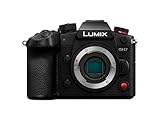
| Panasonic LUMIX G100 | Vlogging and creators | 4K, built-in mic with tracking |
| OM SYSTEM OM-3 | Travel with weather resistance | 12-45mm F4.0 PRO kit, weather sealed |
| Panasonic LUMIX GH7 | Serious video work | Enhanced video speed and quality |
| Panasonic Lumix DMC-G7 (renewed) | Lowest-tier entry | Black body only, renewed |
| Panasonic LUMIX G9II | Stills and fast action | 25.2MP, phase hybrid AF |
How to Choose
Photo-first or video-first body
Photo-first bodies, such as the E-M10 line, put stabilization and compact size first. Video-first models like the G100 and GH7 emphasize recording features and microphones. If more than half of what you capture is clips, start with the video group; if you mainly make prints and travel albums, choose from the other.
Lens range in the kit
Check the zoom range and the maximum aperture. A 12-60mm lens covers wider and longer than a 14-42mm or 12-32mm kit, while an F4.0 constant-aperture PRO lens keeps its brightness across the zoom. Micro Four Thirds applies a 2x crop, so 12-60mm frames like 24-120mm on full frame.
Stabilization and weather sealing
In-body 5-axis stabilization is a major reason to choose this format, since it allows slower shutter speeds and smoother handheld video. If you shoot hikes, beaches or rainy city streets, favor a body that advertises weather sealing instead of hoping for the best.
Sensor resolution and where budget models cut corners
Around 20MP is enough for most uses, including large prints, because the smaller sensor packs pixels tightly and extra resolution rarely changes what you see. Entry bodies tend to drop weather sealing, a second card slot or headphone and microphone jacks, so confirm the ports you need for audio work. A renewed unit may lack a warranty or original accessories, so read the condition notes.
The 8 Best Options
OM SYSTEM Olympus E-M10 Mark IV (Silver)
The E-M10 Mark IV comes as a kit with an M.Zuiko 14-42mm F3.5-5.6 EZ lens, a 20MP sensor and 5-axis image stabilization. It is the small, classic-looking entry body in the OM SYSTEM family, geared to people stepping up from a phone.
- Strength: 5-axis stabilization listed on an entry-level body
- Strength: a compact 14-42mm EZ kit lens that stays pocketable
- Trade-off: the F3.5-5.6 lens gets dim in low light
Skip it if you want weather sealing or serious video tools. Buyers who prefer the lighter finish will like this version, and the retro styling tends to suit street photography, family trips and anyone who wants a camera that feels more personal than a phone without turning heavy in a daypack.
Panasonic LUMIX G97
The G97 is described as a compact hybrid mirrorless camera, sold with a LUMIX G Vario 12-60mm F3.5-5.6 lens and aimed at content creators. The longer zoom range means fewer lens swaps on trips and family days.
- Strength: a 12-60mm zoom covers a broad set of scenes
- Strength: hybrid photo and video positioning in a single compact body
- Trade-off: the variable aperture narrows at the long end
Skip it if you want a flagship video body with advanced professional features. For learners who expect to shoot both stills and short clips, the middle-ground positioning is the appeal, and the lens range lets one setup handle a weekend away without swapping optics in a crowded place.
OM SYSTEM Olympus E-M10 Mark IV (Black)
This is the same E-M10 Mark IV kit, with a 14-42mm F3.5-5.6 EZ lens, 20MP sensor and 5-axis stabilization, but in black. Pick between the two based on looks and which listing is easier to buy, since the title shows the same core features.
- Strength: understated black finish that draws less attention
- Strength: identical sensor and stabilization to the silver kit
- Trade-off: no standout feature beyond size and stabilization
Skip it if you plan to shoot extensively in rain or want advanced video connections. Because the specs match the silver listing, compare the two purely on availability and finish, and keep in mind that spare batteries and a larger memory card are sensible additions whichever color you choose.
Panasonic LUMIX G100
The G100 is marketed for photo and video with 4K recording and a built-in microphone with tracking, supplied with a 12-32 lens kit. The title leans on vlogging ease rather than stills performance, so it targets creators who speak to the camera.
- Strength: 4K video with a built-in tracking microphone
- Strength: small and light for handheld shooting
- Trade-off: the compact 12-32 kit lens is modest in zoom range
Skip it if you want a body with a bigger grip and a longer lens for sports. Solo creators filming at arm’s length, on the other hand, gain from a tracking microphone, since clearer voice pickup reduces the need to buy a separate recorder right away for casual uploads.
OM SYSTEM Olympus OM-3
The OM-3 listing pairs the body with an M.Zuiko 12-45mm F4.0 PRO lens and describes a travel camera with a weather-sealed design and 5-axis stabilization. A constant F4.0 aperture is a practical advantage over variable-aperture kit lenses.
- Strength: weather-sealed design suits trips in uncertain conditions
- Strength: PRO lens with a constant F4.0 aperture
- Trade-off: a higher tier than the E-M10 kits for similar zoom reach
Skip it if you want the lowest cost of entry or never shoot outdoors in poor weather. Hikers, coastal travelers and anyone who has watched a forecast turn mid-trip will see the point of a sealed body, while studio or indoor shooters would pay for protection they never use.
Panasonic LUMIX GH7
The GH7 listing talks about enhanced video speed and quality and workflows from shooting through post-production. That language positions it as the video-oriented flagship here, intended for filmmakers and serious creators.
- Strength: video-focused feature set aimed at full production workflows
- Strength: Micro Four Thirds lens compatibility with both Panasonic and OM SYSTEM glass
- Trade-off: the title lists no lens, so more must be budgeted for
Skip it if you mainly take casual photos and want a pocket-friendly body. Teams that cut footage for clients or channels will care about the workflow language in the title, but hobbyists should be honest about whether they will ever use those professional tools or simply carry the extra bulk.
Panasonic Lumix DMC-G7 (renewed)
The DMC-G7 is an older Panasonic mirrorless body, sold black, body only and renewed. It is the budget option for those who want to learn the format and are comfortable buying a refurbished unit.
- Strength: the lowest likely cost of entry in the group
- Strength: access to the full Micro Four Thirds lens catalog
- Trade-off: body only and renewed, so lens and warranty details need checking
Skip it if you want a new product with a warranty and a lens included. Students and tinkerers who just want to learn exposure, focus and composition can still do that on an older body, and any money saved is better spent on a first lens than on a newer name.
Panasonic LUMIX G9II
The G9II is listed with a 25.2MP sensor, phase hybrid autofocus, strong stabilization and high-speed performance. That combination suits photographers who track moving subjects such as wildlife or sports with Micro Four Thirds telephoto lenses.
- Strength: 25.2MP resolution, the highest in the list
- Strength: phase hybrid autofocus aimed at moving subjects
- Trade-off: the premium tier, with lenses bought separately
Skip it if you want a simple point-and-shoot feel. It is a serious tool for bird photographers, sports parents and travelers who want long reach in a small package, but beginners may find its depth of options more than they need, and the lens budget will dominate quickly.
Which One Fits Your Situation
You are leaving a phone behind for the first time
The OM SYSTEM E-M10 Mark IV kit is a gentle introduction with stabilization and a small lens, and you can grow into a second lens later without changing systems.
You vlog or record talking-head clips
The Panasonic LUMIX G100 puts 4K and a tracking microphone in a body built around that job, so you spend less time on extra audio gear and more on filming.
You travel through rain and dust
The OM SYSTEM OM-3 pairs a weather-sealed design with a constant F4.0 PRO zoom, which keeps exposure steady as you zoom from a wide street scene to a tighter portrait.
You shoot wildlife or fast sports
The Panasonic LUMIX G9II combines phase hybrid autofocus and 25.2MP resolution, and its listed stabilization and speed help when a subject will not stay still. Budget for a telephoto lens as well.
Common Mistakes
- Buying two colors of the same camera and expecting different performance.
- Ignoring the 2x crop factor when judging how wide or long a lens will look.
- Assuming a renewed body includes a lens, charger and warranty.
- Choosing a video-first body without confirming audio ports.
- Paying for a flagship when you only need a travel snapshot camera.
Related guides
- Replacement Cables For Gaming Mice And Headsets
- Nvidia Control Panel Best Settings For Gaming
- How To Test Gpu Stability After Overclocking
Frequently Asked Questions
Can I use Panasonic lenses on OM SYSTEM cameras?
Yes, both brands use the Micro Four Thirds mount, so lenses generally fit across brands. Some features, such as combined stabilization, can differ, so check each maker’s notes.
Is a smaller sensor a problem?
It trades some low-light performance for smaller and lighter gear. For travel, hiking and daylight work, most buyers find the compromise worthwhile.
Which model is best for video?
The GH7 is described around video quality and workflow, while the G100 targets simple vlogging. Choose based on whether you need professional tools or ease of use.
Is a renewed camera safe to buy?
It can be, provided the listing states the condition and return terms. Look for a warranty and confirm that the battery and charger are included.